The Humble Shoebox — More Than Just a Container
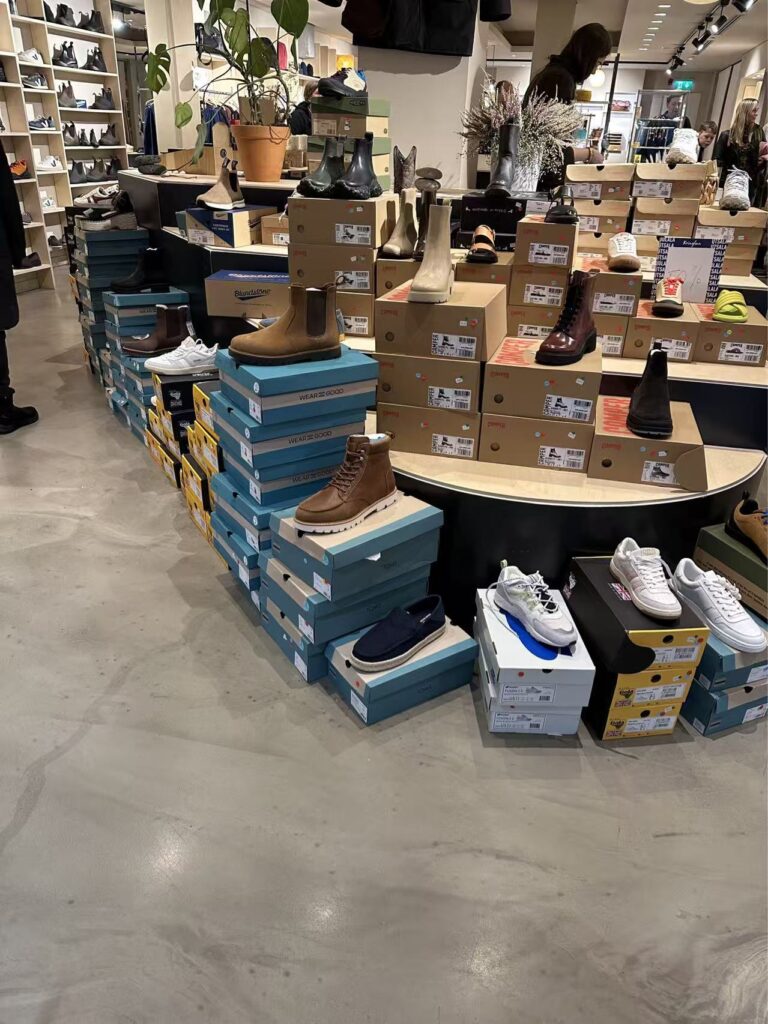
An ordinary shoebox does far more than hold a pair of shoes.
For footwear brands and importers, it directly affects logistics cost, retail performance, and brand perception.
Well-engineered shoebox packaging improves operational efficiency, strengthens positioning, and enhances customer experience — turning packaging into measurable business value.
Why Shoebox Dimensions Matter in Global Supply Chains
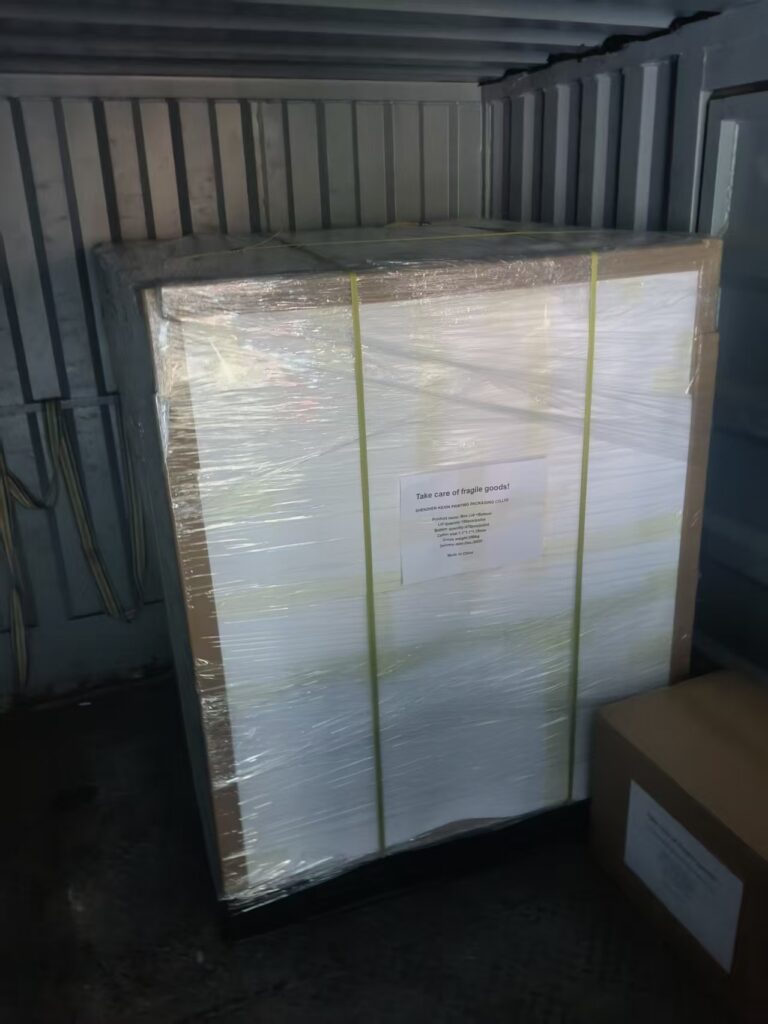
Shoebox size influences:
- Freight cost
- Container loading efficiency
- Retail shelf presentation
- Storage space utilization
Oversized boxes increase freight charges and material waste.
Undersized boxes risk product damage and customer dissatisfaction.
Dimension strategy is not a design detail — it is a supply chain decision.
The Right Shoebox Size Is a Strategic Decision
Choosing the correct shoebox dimensions is more than ensuring the product fits.
It affects:
- Carton configuration
- Pallet stacking stability
- Warehouse density
- Retail display consistency
Accurate sizing optimizes carton loading and reduces void space.
Standardized dimensions simplify large-scale retail distribution.
For international buyers, these details directly impact total landed cost.
Efficiency, Display & Customer Perception
1. Shipping Efficiency
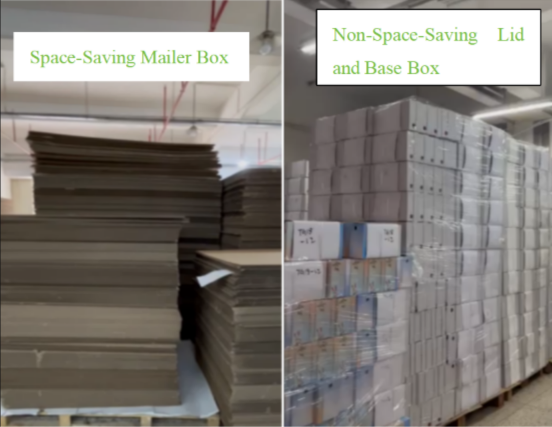
Oversized shoeboxes waste container space.
Properly sized boxes:
- Maximize container utilization
- Reduce filler materials
- Improve pallet stability
- Lower freight cost per unit
In high-volume export business, even small dimensional adjustments significantly influence annual logistics expenses.
2. Retail Shelf Presentation
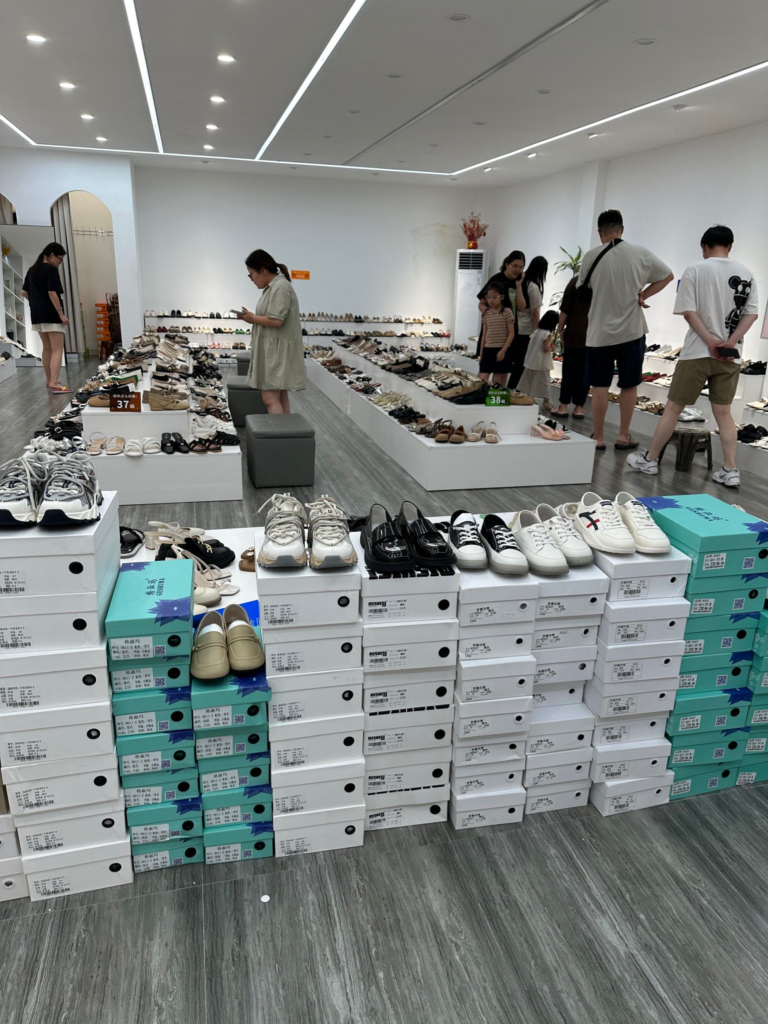
Retailers favor packaging that stacks cleanly and presents branding clearly.
Well-proportioned shoeboxes:
- Improve shelf organization
- Increase logo visibility
- Support consistent merchandising
Neat presentation enhances perceived product value before customers even open the box.
3. Customer Experience
Customers instantly judge quality through packaging.
A well-sized shoebox:
- Feels intentional and refined
- Creates a premium unboxing experience
- Reduces excessive filler materials
Packaging communicates professionalism.
Even before the shoes are seen, expectations are formed.
| Dimension Strategy | Business Impact |
|---|---|
| Optimized size | Lower shipping cost |
| Standardized sizes | Better shelf efficiency |
| Premium proportion | Higher customer satisfaction |
The Psychology of First Impressions in Footwear Packaging
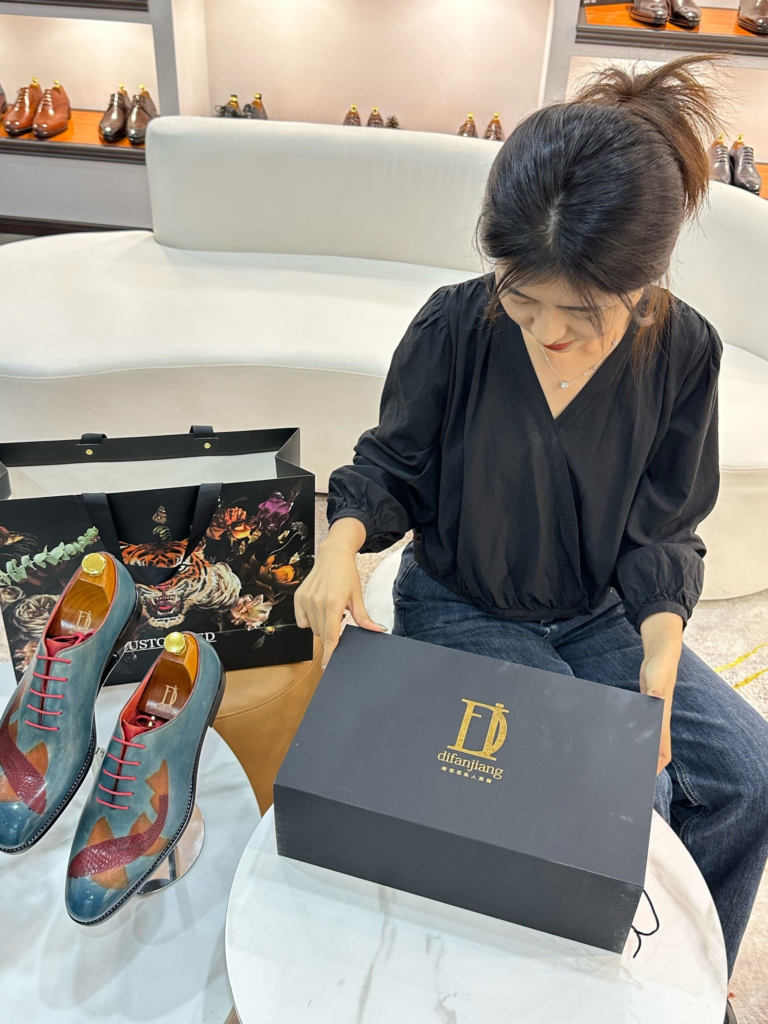
Packaging is often the first physical interaction between brand and customer.
Premium materials, refined finishes, and structural precision create:
- Trust
- Anticipation
- Perceived value
Customers form judgments within seconds.
Thoughtful packaging strengthens brand credibility in competitive markets.
Building a Multi-Sensory Packaging Experience
Visual Impact
Design should reflect positioning:
- Minimalist style for premium brands
- Bold graphics for fashion-forward labels
Color consistency and print precision reinforce brand identity.
Tactile Experience
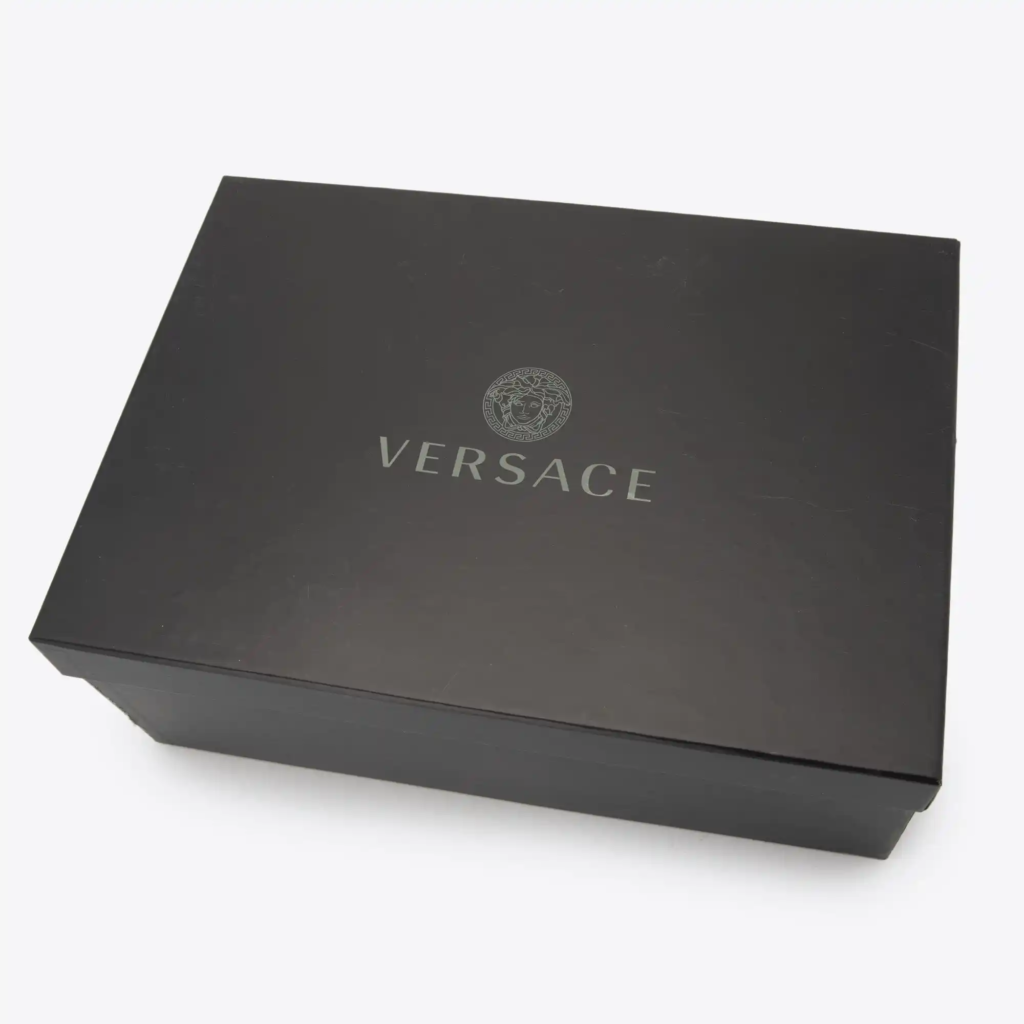
Surface finishes elevate perceived quality:
- Matte lamination
- Soft-touch coating
- Embossed or debossed logos
- Spot UV
Texture plays a critical role in emotional connection.
Structural Storytelling
Interior printing, layered openings, or hidden messages enhance memorability.
Packaging becomes part of the product experience rather than a disposable element.
Cost-Efficient Logistics Through Smart Sizing
Optimized shoebox dimensions create financial and environmental benefits.
| Advantage | Description |
|---|---|
| Space optimization | More units per shipment |
| Cost reduction | Lower freight expenses |
| Sustainability | Reduced material waste |
Right-sized packaging supports both profitability and sustainability objectives.
How to Choose the Right Shoebox for Your Market
Before selecting a shoebox structure, clarify business fundamentals.
1. Price Positioning
Packaging investment must match product value.
Low-cost footwear does not require rigid luxury boxes.
Mid-to-high-end products benefit from upgraded presentation.
Alignment prevents over-packaging or under-positioning.
2. Market Environment
Urban flagship stores differ from rural distribution markets.
Consumer expectations vary by region and retail channel.
Packaging should reflect local price sensitivity and aesthetic preferences.
3. Target Customers
Children, fashion consumers, seniors, or VIP buyers require different packaging strategies.
Tiered packaging systems allow brands to maintain consistency while adapting to segmentation.
4. Usage Scenario
Mass retail, promotional campaigns, and bundled sales each require different structural solutions.
Packaging must balance durability, cost, and presentation depending on distribution model.
Practical Shoebox Structures for Different Segments
Corrugated Folding Boxes
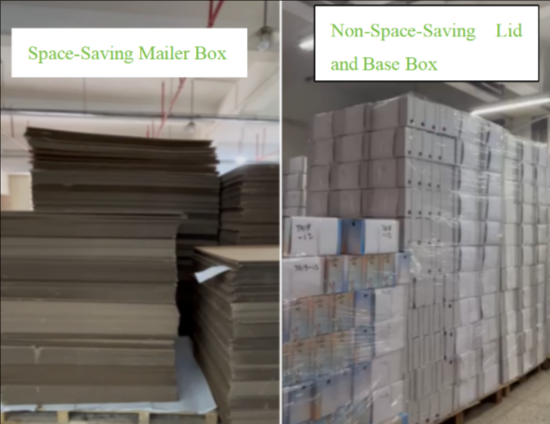
Common for high-volume retail:
- Low cost
- Strong protection
- Flat shipping efficiency
Ideal for export and large-scale distribution.
Rigid Lid-and-Base Boxes
Provide premium appearance.
However:
- Higher material cost
- Higher freight cost
- More storage space required
Often suitable for mid-range positioning.
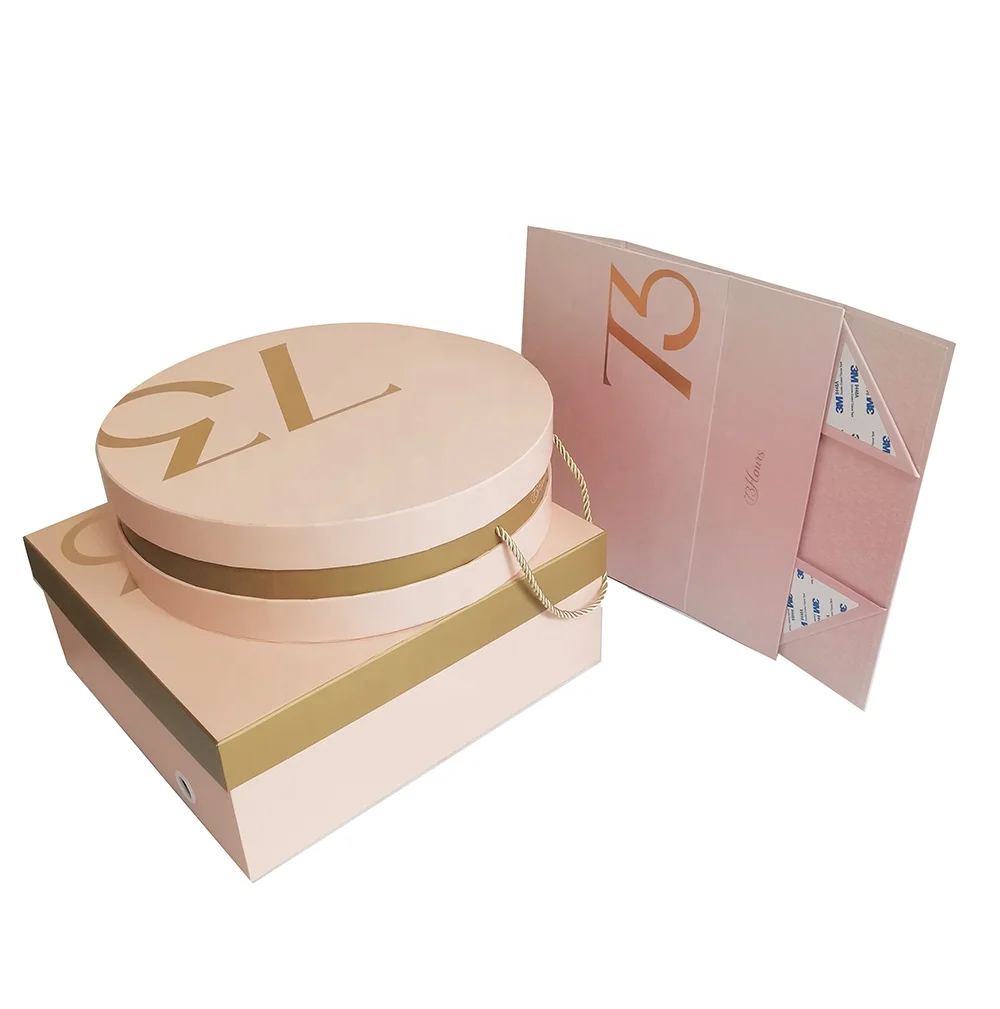
Foldable Rigid Boxes
Combine rigid appearance with collapsible efficiency.
Benefits:
- Reduced shipping cost
- Lower storage requirement
- Premium visual impact
An effective compromise between cost and presentation.
Luxury Custom Structures
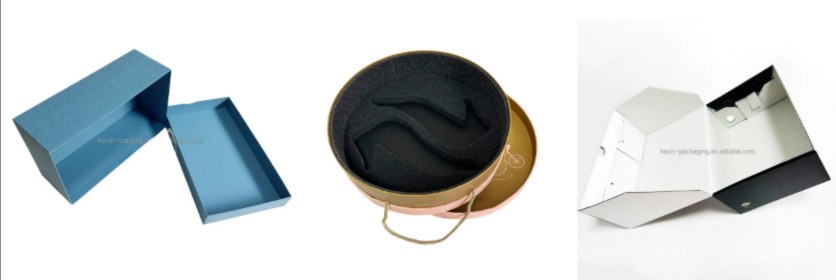
Luxury footwear may use:
- Cylindrical boxes
- Custom-shaped structures
- Multi-layer gift boxes
Premium finishes include:
- Gold foil stamping
- Embossing/debossing
- Specialty materials
- Foam inserts
Luxury packaging emphasizes brand storytelling and exclusivity.
What Is Your Brand Positioning?
Clear positioning defines packaging direction.
Structure, material, finish, and dimension must align with:
- Product price
- Market segment
- Distribution model
- Brand strategy
Packaging decisions should support long-term brand growth, not only short-term cost control.
Conclusion
A shoebox is not merely a container — it is a strategic tool.
The right size, structure, and presentation improve efficiency, reinforce brand identity, and create lasting impressions in global markets.
When packaging is engineered strategically, it becomes a competitive advantage.