What Is PE Coated Paper?
Properties, Benefits, Applications, and Sustainability
PE coated paper is a widely used packaging material known for its excellent durability as well as moisture and grease resistance.
But what exactly is PE coated paper, and how does it work?
Core Overview
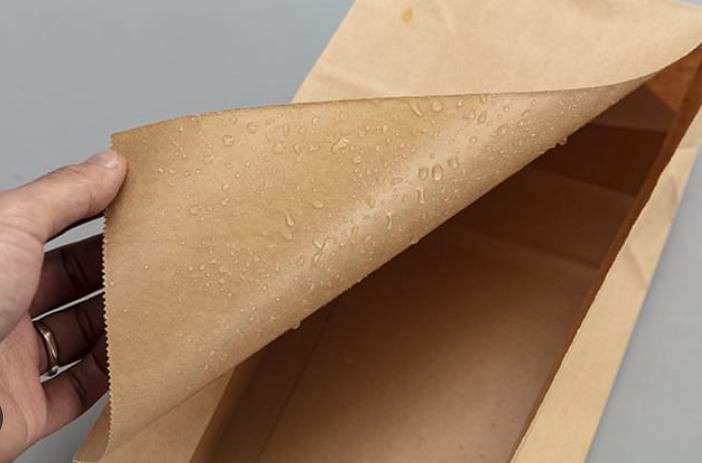
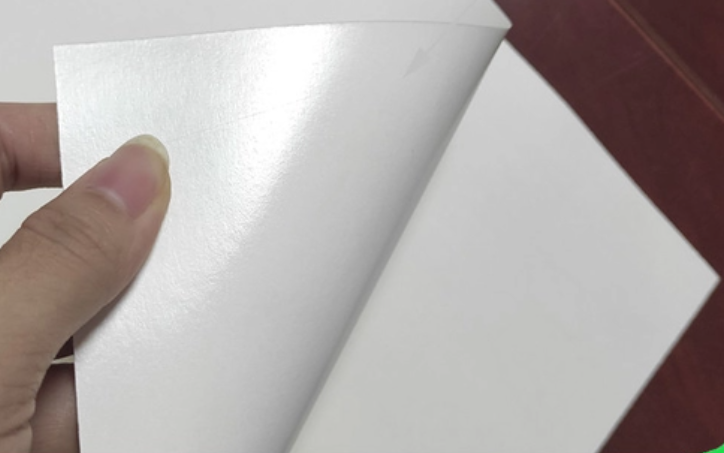
PE coated paper is a material made by applying a layer of polyethylene (PE) onto the surface of paper to enhance its moisture-proof and grease-resistant properties.
It is widely used in food, medical, and industrial packaging, providing additional protection and durability.
Compared with uncoated paper, PE coated paper helps extend product shelf life while offering a reliable, flexible, and practical packaging solution across multiple industries.
Beyond protection, PE coated paper enables more expressive, functional, and application-driven packaging designs.
What Is PE Coated Paper? A Simple Explanation
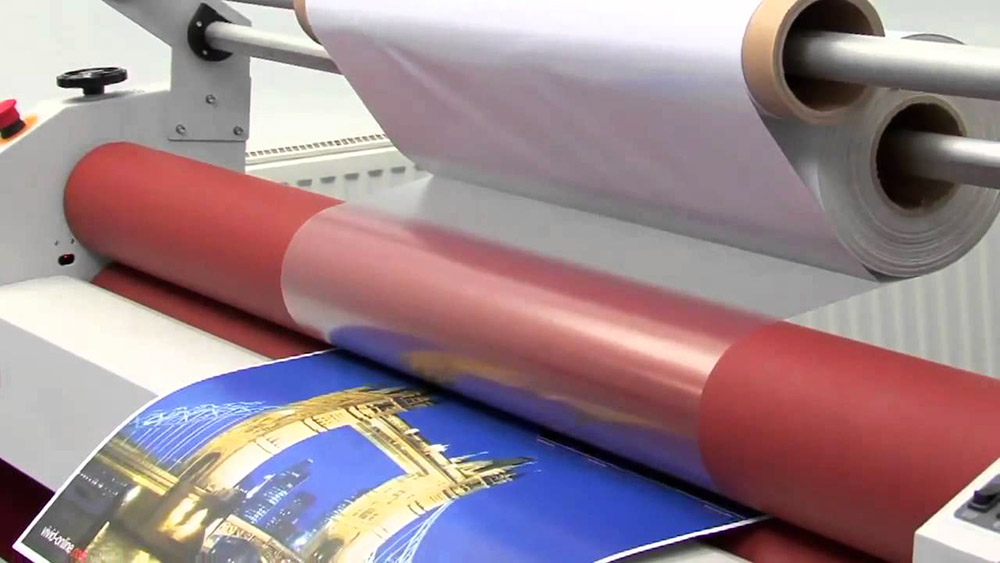
PE coated paper refers to paper that has been laminated with a thin layer of polyethylene film, improving its resistance to moisture and grease and making it suitable for a wide range of packaging applications.
Simply put, PE coated paper is paper with a polyethylene coating on its surface.
This coating provides an additional protective layer that makes the paper water-resistant and oil-resistant, which is especially important for performance-demanding packaging.
Because PE coated paper effectively blocks moisture and oils, it is commonly used in food, medical, and industrial packaging.
The PE layer also enhances tear resistance, allowing the material to perform well in demanding environments such as transportation and storage.
From a packaging manufacturing perspective, this balance between protection and processability is one of the reasons PE coated paper remains a mainstream material.
Key Advantages of PE Coated Paper in Packaging
The advantages of PE coated paper come from the complementary performance of its composite structure—paper combined with polyethylene film.
1. Balanced Performance: Paper + Plastic
| Component | Key Properties |
|---|---|
| Paper base | Excellent printability, good stiffness, renewable potential |
| PE coating | Waterproof, grease-resistant, abrasion-resistant, chemical-resistant |
Paper provides structure and visual quality.
PE film compensates for paper’s natural weaknesses by adding protection and durability.
2. Enhanced Durability and Product Protection
By laminating PE onto paper, mechanical strength such as tensile strength, tear resistance, and puncture resistance is significantly improved.
This structure protects contents from:
- Moisture
- Grease
- Gas penetration
- Friction and impact during transportation
For food and cosmetic products, PE coated paper helps prevent mold growth caused by humidity and reduces spoilage from air exposure.
It also performs reliably in logistics and storage environments.
3. Cost and Processing Advantages
| Aspect | Explanation |
|---|---|
| Cost efficiency | PE is mass-produced and low-cost compared with premium materials |
| Processing flexibility | Suitable for coating, die-cutting, folding, and forming |
| Scalability | Supports large-volume production and customization |
PE coated paper can be formed into paper cups, food containers, mailing bags, and more—making it suitable for both standardized and custom packaging projects.
4. Wide Application Range
PE coated paper is widely used across different scenarios:
- Food packaging (cups, bowls, takeaway boxes)
- Logistics packaging (courier bags, liners)
- Industrial protection (dust-proof packaging)
- Daily consumer products (shopping bags)
It meets both protection and display requirements in real-world use.
Key Benefits at a Glance
| Benefit | Description |
|---|---|
| Moisture resistance | Protects paper fibers from water and condensation |
| Grease barrier | Prevents oil penetration in food packaging |
| Good durability | Withstands handling, stacking, and transport |
These characteristics make PE coated paper ideal for products requiring protection and longer shelf life.
Common examples include pizza boxes, disposable paper cups, paper bowls, instant noodle containers, and courier packaging.
In most cases, PE coating is applied to the inner surface to isolate grease and moisture while protecting paper fibers.
How PE Coated Paper Enhances Durability and Product Protection
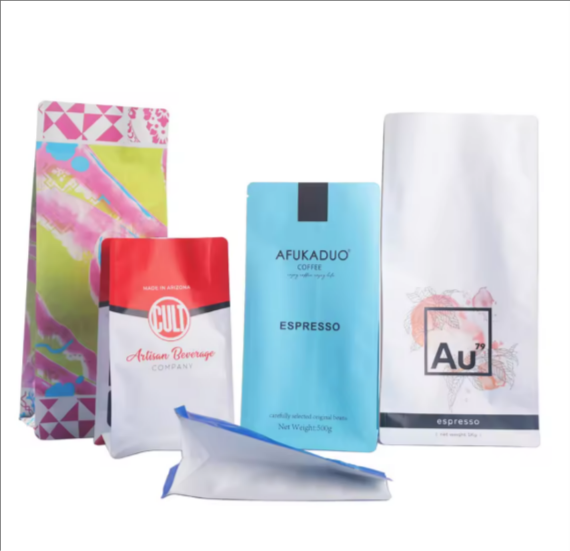
By applying a polyethylene layer, the paper gains resistance to moisture, grease, and external stress.
This allows packaging to perform reliably under:
- Long-distance transportation
- Temperature fluctuations
- High-humidity environments
Products are less likely to deform, leak, or become contaminated during storage and distribution.
Improved Moisture and Grease Resistance
The PE layer blocks water and oil from penetrating paper fibers, helping maintain structure and hygiene.
Enhanced Mechanical Strength
Tear resistance, puncture resistance, and tensile strength are improved, reducing damage during handling.
Protection Against Environmental Exposure
While not fully airtight, PE coated paper slows gas exchange and helps stabilize packaging in cold-chain or refrigerated environments.
The Production Process of PE Coated Paper
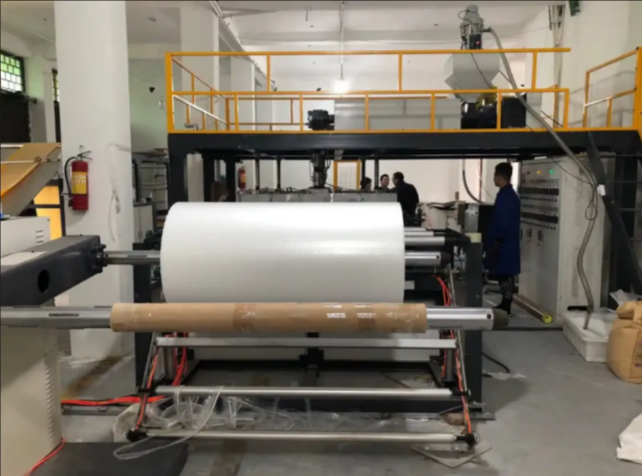
Key Production Steps
| Step | Description |
|---|---|
| Base paper preparation | Selecting thickness, fiber composition, stiffness |
| PE extrusion coating | Applying molten PE to one or both sides |
| Cooling & bonding | Ensuring strong adhesion |
| Post-processing | Printing, die-cutting, forming |
Precise control of coating thickness and bonding quality is critical to performance and recyclability.
PE Coated Paper vs. Other Packaging Materials
| Material | Strengths | Limitations |
|---|---|---|
| Plastic | Excellent barrier | Poor printability, less natural |
| Aluminum foil | High barrier | Higher cost, low flexibility |
| Biodegradable | Sustainable image | Cost and performance trade-offs |
| PE coated paper | Balanced, scalable | Recycling complexity |
From a manufacturing standpoint, PE coated paper offers a mature supply chain and stable quality.
Environmental Impact and Sustainability Considerations
PE coated paper presents recycling challenges due to its composite structure, but improvements are ongoing.
Current Sustainability Approaches
- Thinner PE coatings
- Alternative water-based coatings
- Easier-to-separate composite designs
- FSC-certified paper sources
Sustainability increasingly depends on balancing performance with responsible sourcing and end-of-life solutions.
Common Applications of PE Coated Paper
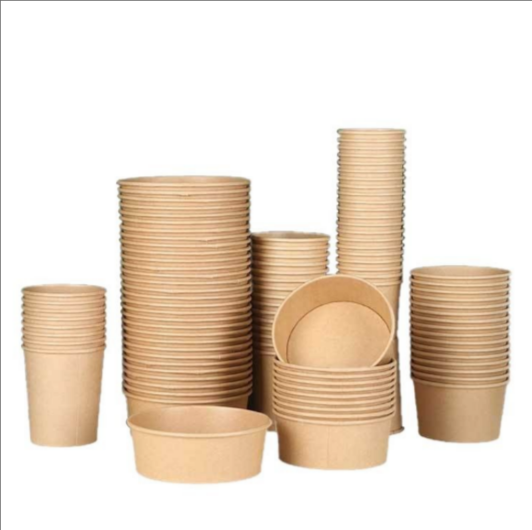
- Food packaging
- Frozen and refrigerated products
- Industrial protection
- Retail shopping bags
In food applications, PE coating is usually applied on the inner surface for direct contact safety.
Storage and Handling Considerations
Although PE resists moisture, the paper core remains sensitive.
Recommended Storage Conditions
| Requirement | Reason |
|---|---|
| Cool, dry environment | Prevent fiber degradation |
| Avoid direct sunlight | Protect coating adhesion |
| Moisture control | Prevent delamination |
Proper stacking and handling during logistics reduces quality risks, especially for bulk orders.
Performance in Extreme Environmental Conditions
PE coated paper can perform well in harsh environments—when materials and processes are controlled.
Material Selection
- Acid-free base paper
- MSDS-certified materials
- Controlled coating thickness
Process Controls
- Raw material dehumidification
- Moisture control during production
- UV or ozone sterilization
- Climate-controlled warehousing
These measures allow long-term storage even under challenging conditions.
Summary: Making the Right Packaging Choice
Choosing packaging is about performance, reliability, and long-term value—not just appearance or cost.
PE coated paper combines paper’s printability with plastic’s protection, making it a dependable solution across many industries when used correctly.