I get this question almost every week: Which box type should I choose?
The truth is, the right box can quietly decide how your product is remembered.
Which box type is best for your product?
The best box depends on three things: how your product is used, how it’s shipped, and how you want customers to feel when they open it. A luxury item needs structure and weight. A fast-moving retail product needs efficiency. E-commerce needs protection first, beauty second. When these match, packaging stops being a cost and starts adding value.
Choosing a box isn’t about trends. It’s about fit.
So let me walk you through this, calmly, clearly, like we’re sitting together with samples on the table.
Rigid Boxes vs. Folding Cartons: Which Fits Your Brand Positioning?
I always ask one simple question first: Do you want people to keep the box, or throw it away?
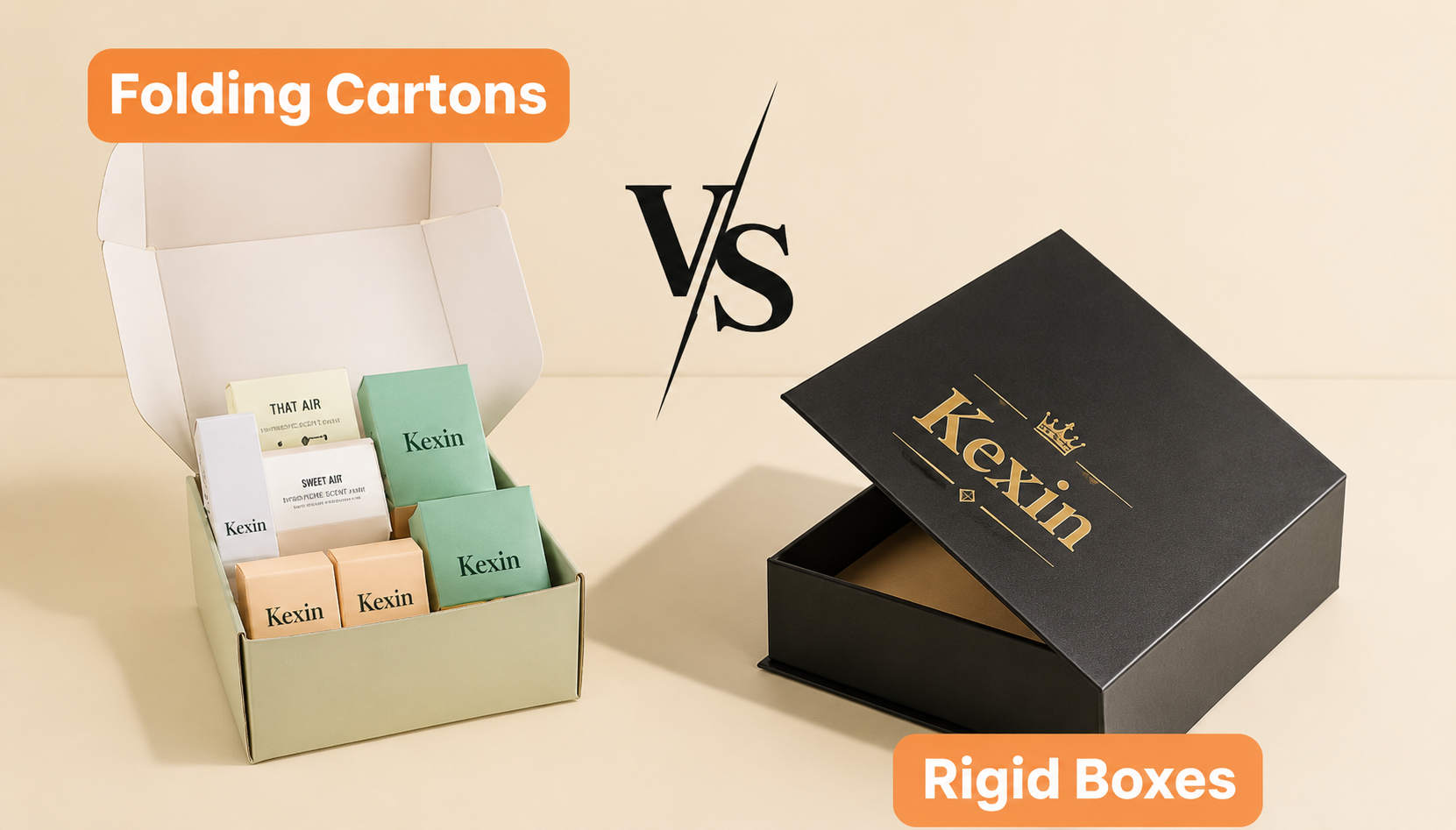
Rigid boxes feel premium. Folding cartons feel practical.
Rigid boxes signal value and care. Folding cartons focus on efficiency and scale. Your brand position usually tells you which side to choose.
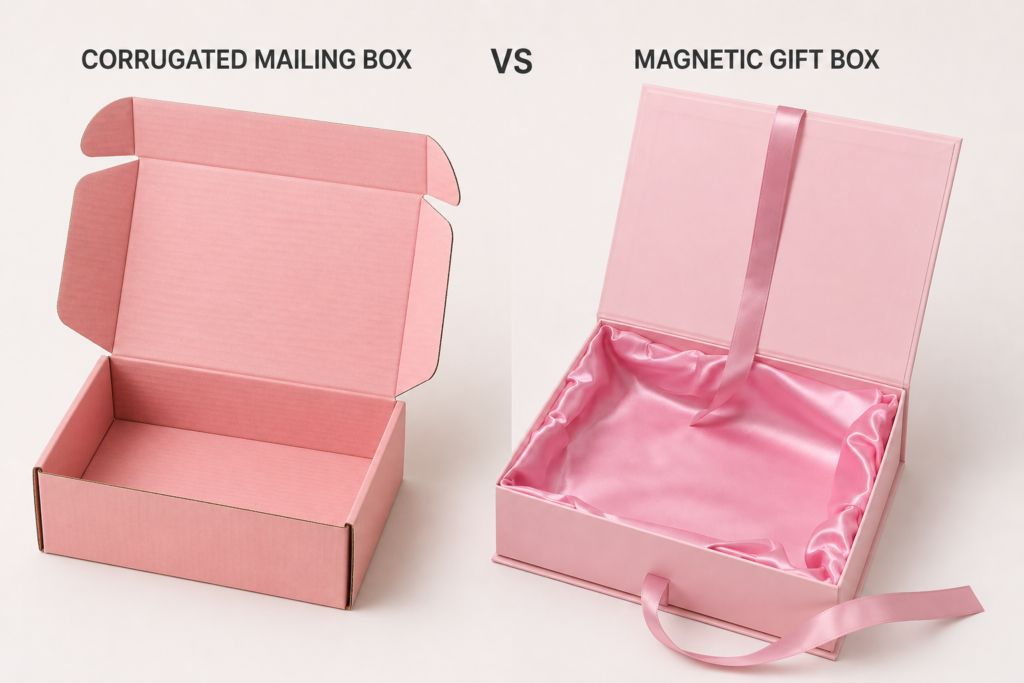
Rigid boxes are thick, solid, and don’t collapse. When someone lifts one, they feel the weight. I’ve seen jewelry brands gain instant trust just by switching to rigid packaging.
Folding cartons, on the other hand, are lightweight and flexible. They ship flat, save space, and work well for mass retail. If your product sells fast and needs shelf presence, folding cartons make sense.
Here’s a simple way to think about it:
| Brand Goal | Better Choice |
|---|---|
| Premium, gift-ready | Rigid box |
| Retail, high volume | Folding carton |
| Brand storytelling | Rigid box |
| Cost control | Folding carton |
I’ve helped clients move up or down between these two many times. The best choice is the one that matches how you want to be perceived.
When Should You Choose a Luxury Gift Box Over a Corrugated Box?
This is where many brands hesitate.
Choose a luxury gift box when emotion matters more than logistics.
Choose corrugated when protection and shipping efficiency come first.
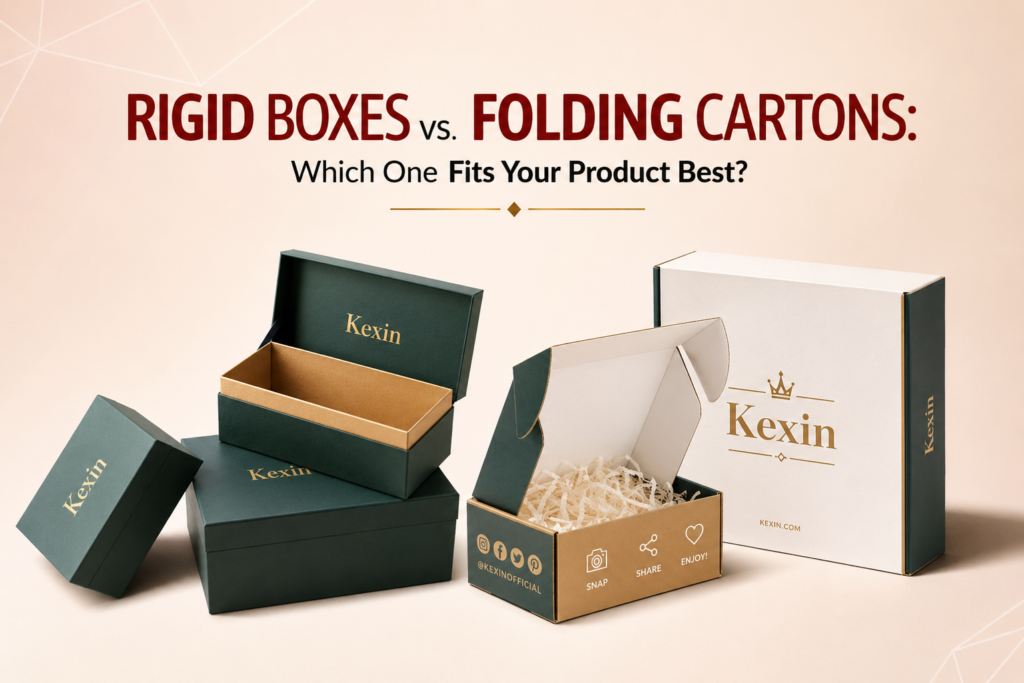
A luxury gift box is about the moment. Birthdays. Launches. Limited editions. The box becomes part of the gift.
Corrugated boxes are workhorses. They protect. They stack. They survive long journeys.
I once worked with a cosmetics brand that used corrugated boxes for influencer kits. The product arrived safely—but the excitement was gone. We switched to gift boxes inside a corrugated shipper. Problem solved.
Sometimes the answer isn’t one or the other. It’s both.
Lid & Base Boxes: Why They Work So Well for Premium Products
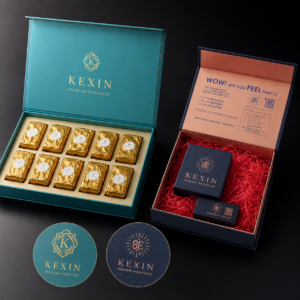
There’s something timeless about lifting a lid.
Lid & base boxes slow people down—and that’s their power.
They invite a pause, a breath, a moment of attention.
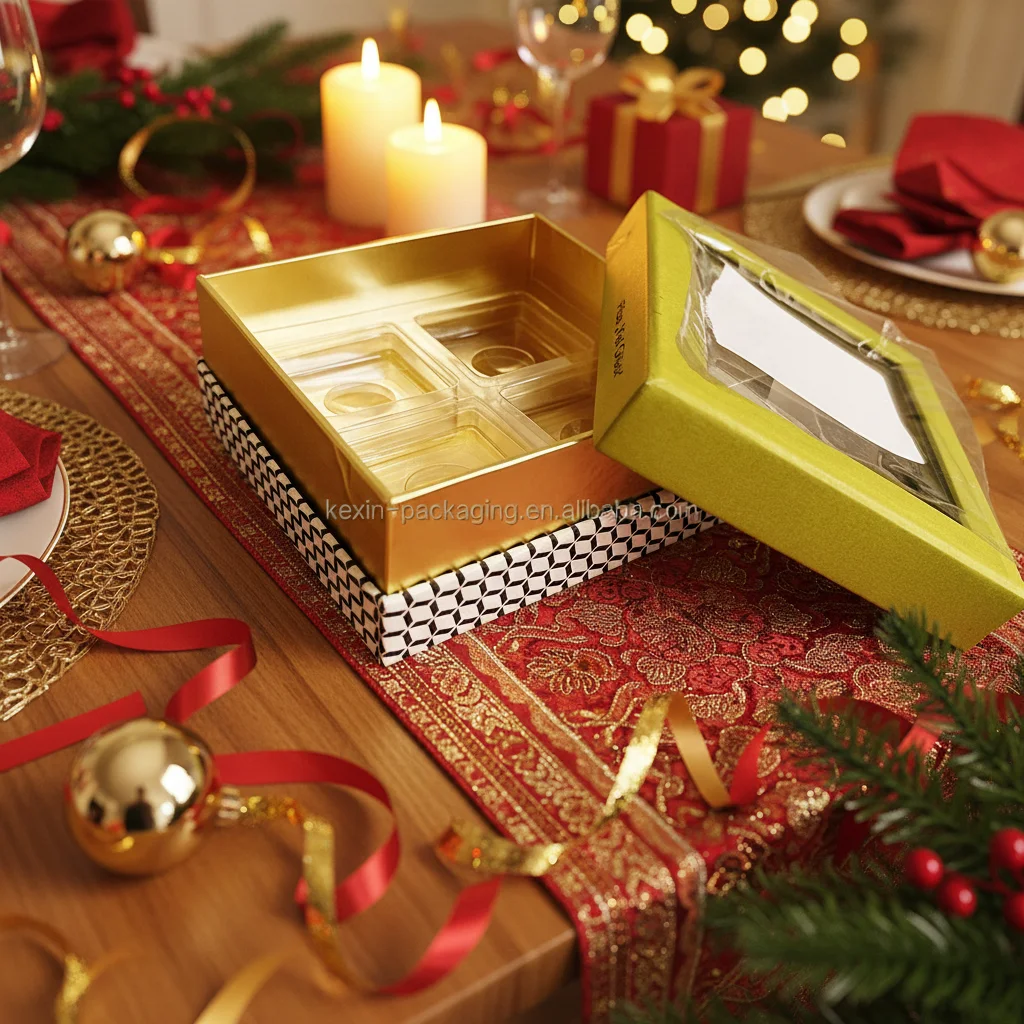
I love recommending these for jewelry, candles, and high-end accessories. The structure is simple, but the feeling is rich.
Why they work so well:
- Clean structure
- Strong protection
- Easy to customize with foil, embossing, or texture
They’re not flashy. They’re confident. And confidence ages well.
Drawer Boxes: The Perfect Choice for an Elevated Unboxing Experience
Drawer boxes feel like a secret.
If unboxing is part of your marketing, drawer boxes are worth it.
That slow pull creates anticipation.
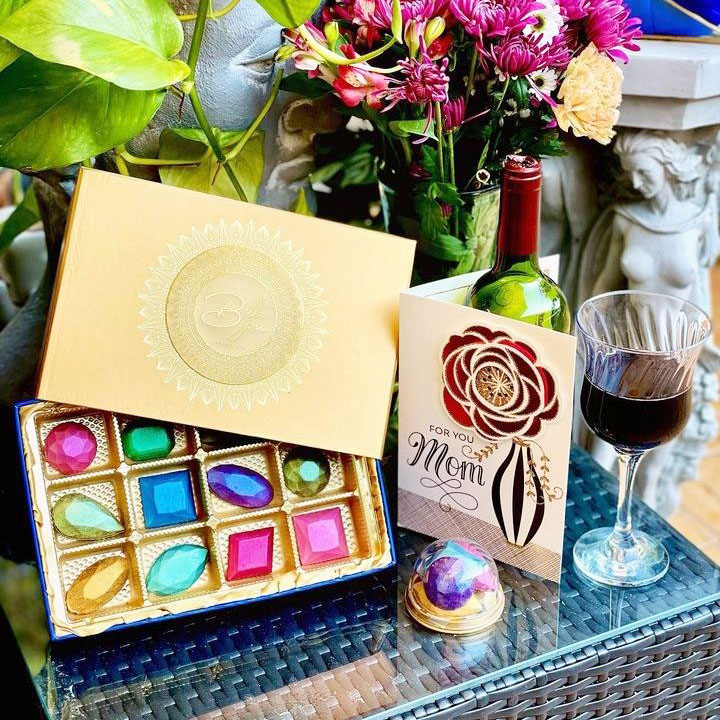
I remember opening a drawer box for the first time years ago. I didn’t rush. I enjoyed it. That’s what your customer feels too.
They’re great for:
- Jewelry
- Cosmetics sets
- Tech accessories
Add a ribbon or fabric pull, and suddenly the box feels personal.
Magnetic Book-Style Boxes: Ideal for High-End Gift Sets
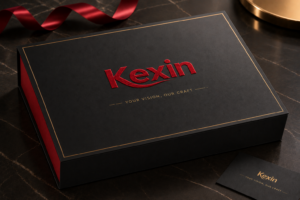
These boxes open like a storybook—and close with a soft click.
Magnetic boxes signal “this is special” without saying a word.
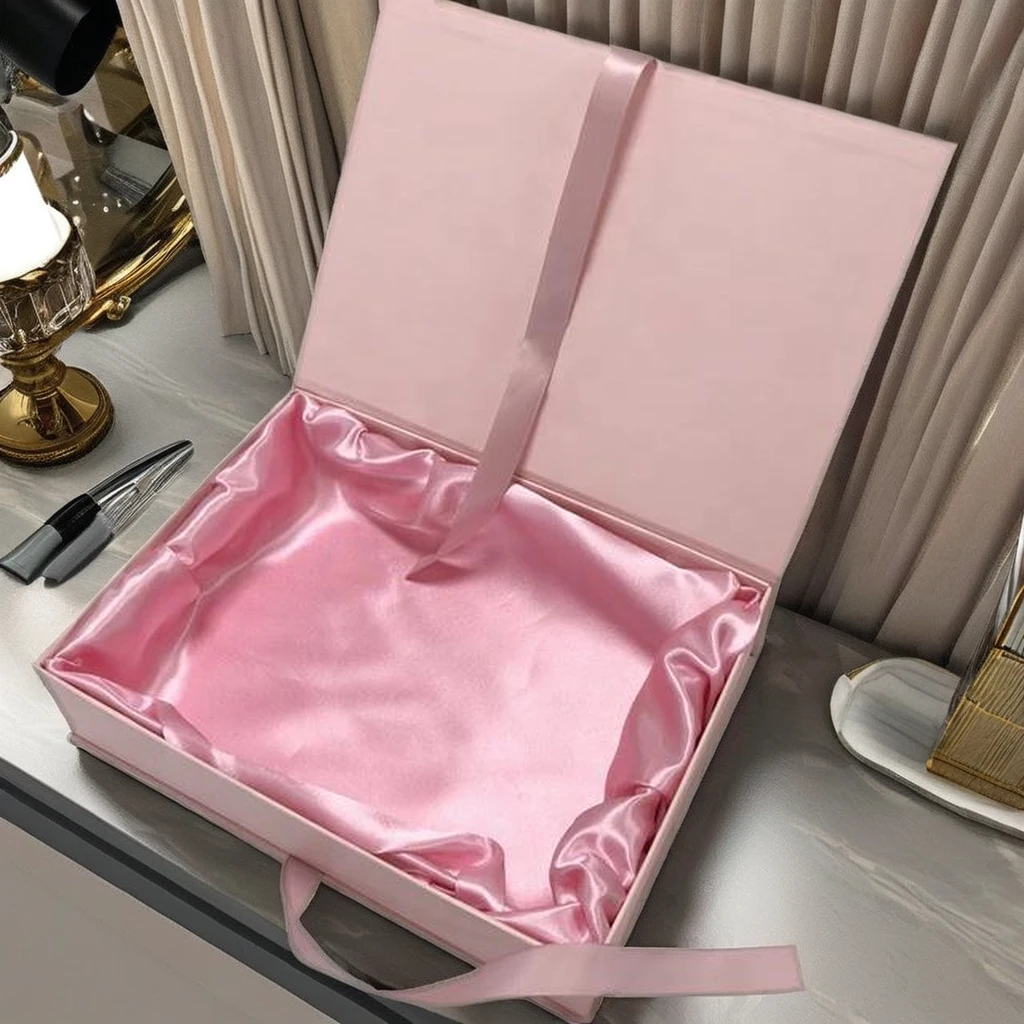
They work beautifully for:
- Gift sets
- Corporate gifts
- Luxury collections
The structure is stable, the surface is large for branding, and the experience feels deliberate. Not rushed. Not cheap.
Foldable Rigid Boxes: How to Save Shipping Costs Without Losing Quality
This one surprises people.
Foldable rigid boxes give you premium feel with lower logistics cost.
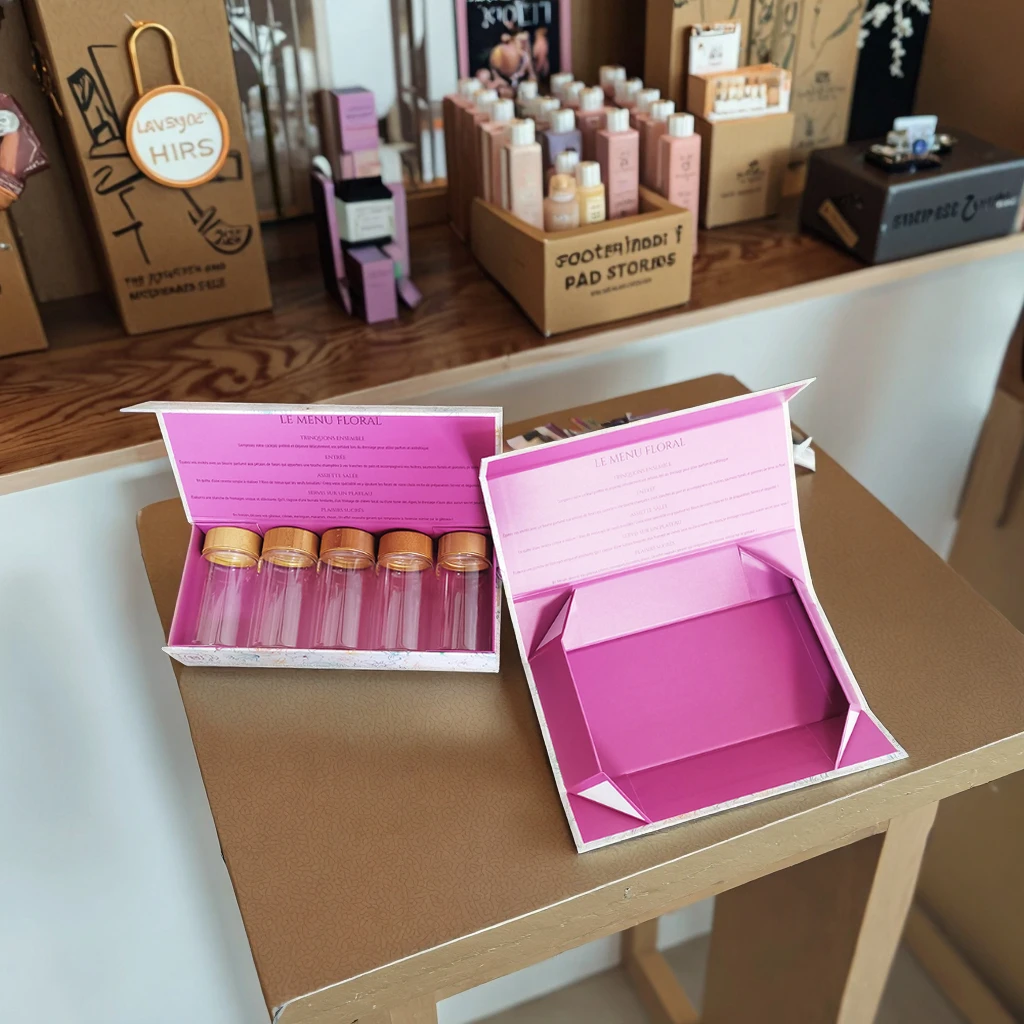
They ship flat like folding cartons but assemble into rigid boxes. For brands shipping internationally, this can save a lot.
I often recommend them to:
- Importers
- Subscription brands
- Seasonal campaigns
You keep the look. You reduce the freight bill. Everyone wins.
Corrugated Boxes Explained: Best Protection for Shipping and E-commerce
Corrugated boxes are not boring. They’re honest.
If protection matters most, corrugated is the safest choice.
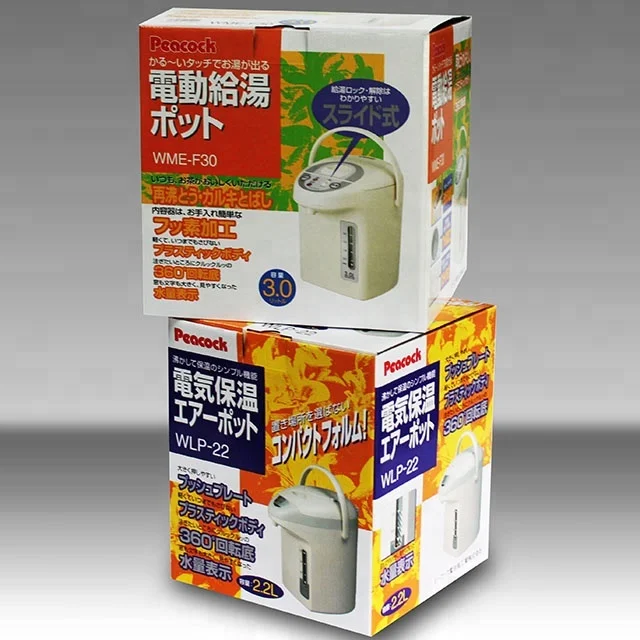
They absorb shock, stack well, and survive long-distance shipping.
You can still add value with:
- Custom printing
- Inserts
- Branded tape
They may not feel luxurious, but they earn trust by arriving intact.
Mailer Boxes (Airplane Boxes): Why E-commerce Brands Love Them
These boxes were built for speed.
Mailer boxes balance branding, protection, and cost.
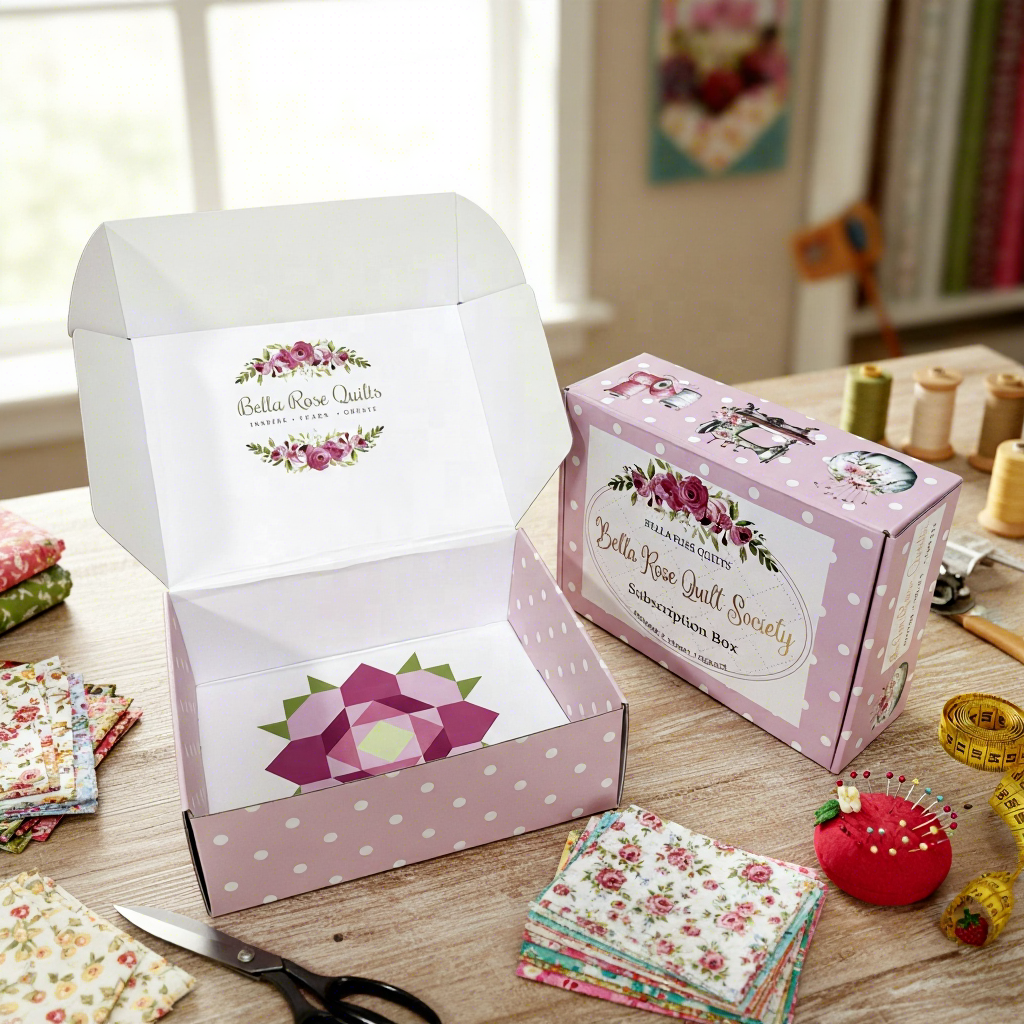
They’re easy to open, easy to close, and great for repeat orders.
Perfect for:
- DTC brands
- Subscription boxes
- Online-only products
Customers recognize them instantly—and that familiarity builds comfort.
Cardboard Folding Boxes: A Cost-Effective Solution for Retail Products
Sometimes simple is smart.
Folding boxes work best when price and scale matter.
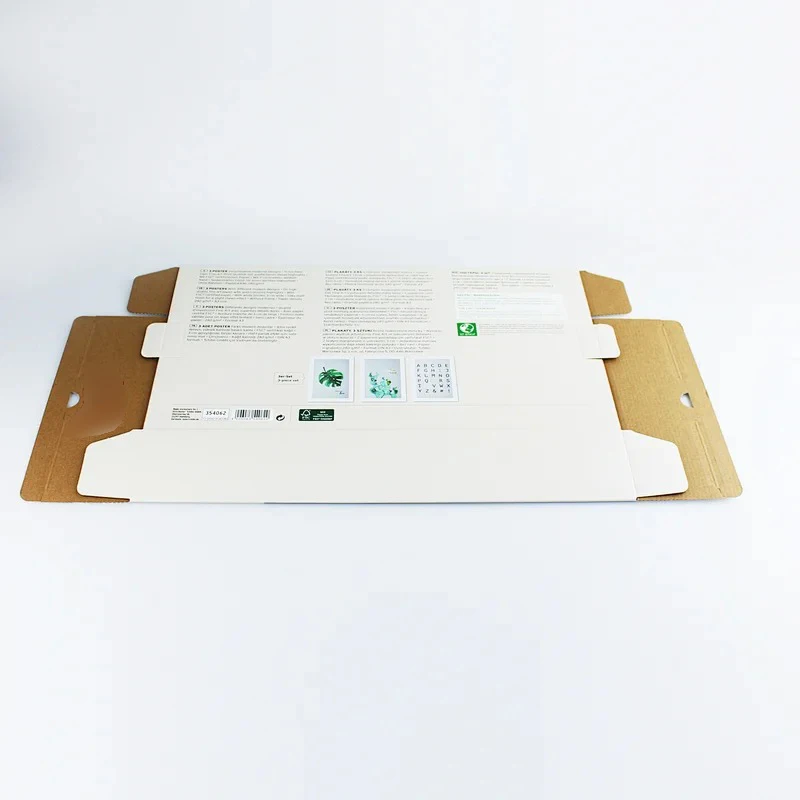
They’re light, affordable, and flexible in design.
If your product:
- Sits on shelves
- Moves fast
- Needs frequent updates
This is often the right place to start.
Display Boxes with Windows: When Product Visibility Matters Most
If your product sells by sight, don’t hide it.
Window boxes build trust by showing the real product.
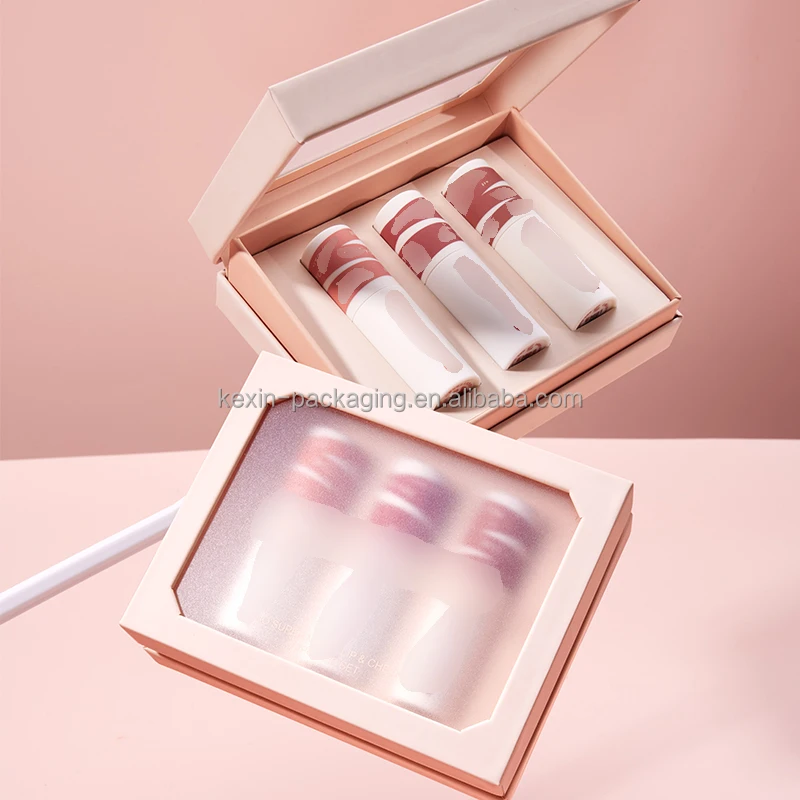
Great for:
- Food
- Cosmetics
- Handmade items
Just make sure the window doesn’t weaken the structure. Design and engineering must work together.
How Product Weight Influences the Right Box Structure
Weight changes everything.
Heavier products need stronger structures—always.
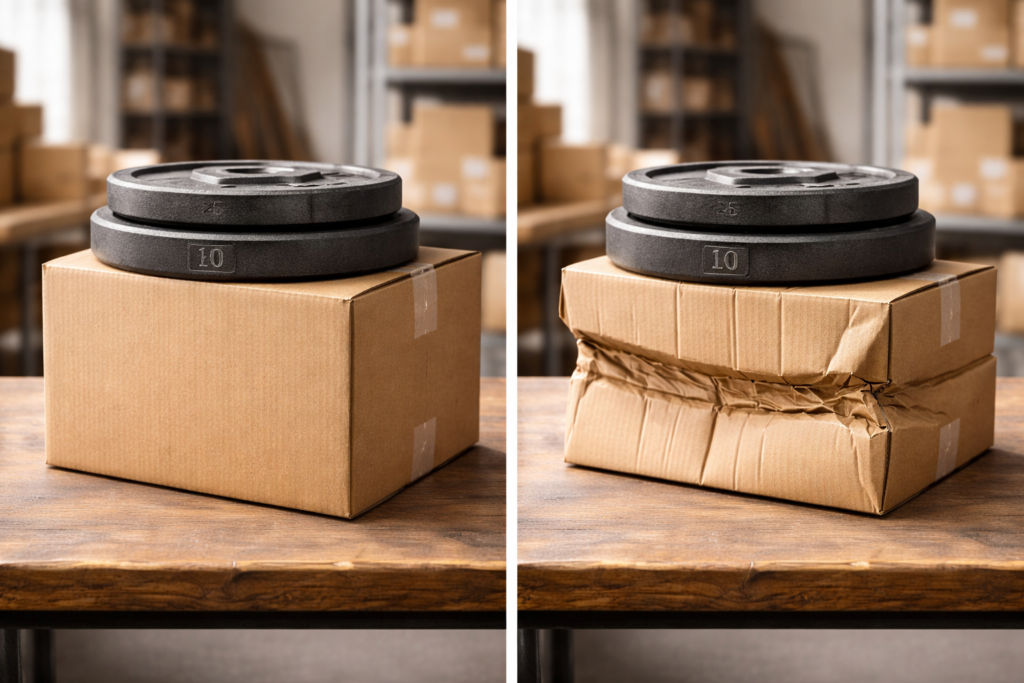
Light products have freedom. Heavy ones need discipline.
As weight increases, consider:
- Thicker board
- Reinforced corners
- Inserts or trays
Ignoring weight is how boxes fail.
Choosing Box Types Based on Product Size and Shape
Odd shapes need smart boxes.
The closer the fit, the safer the product.
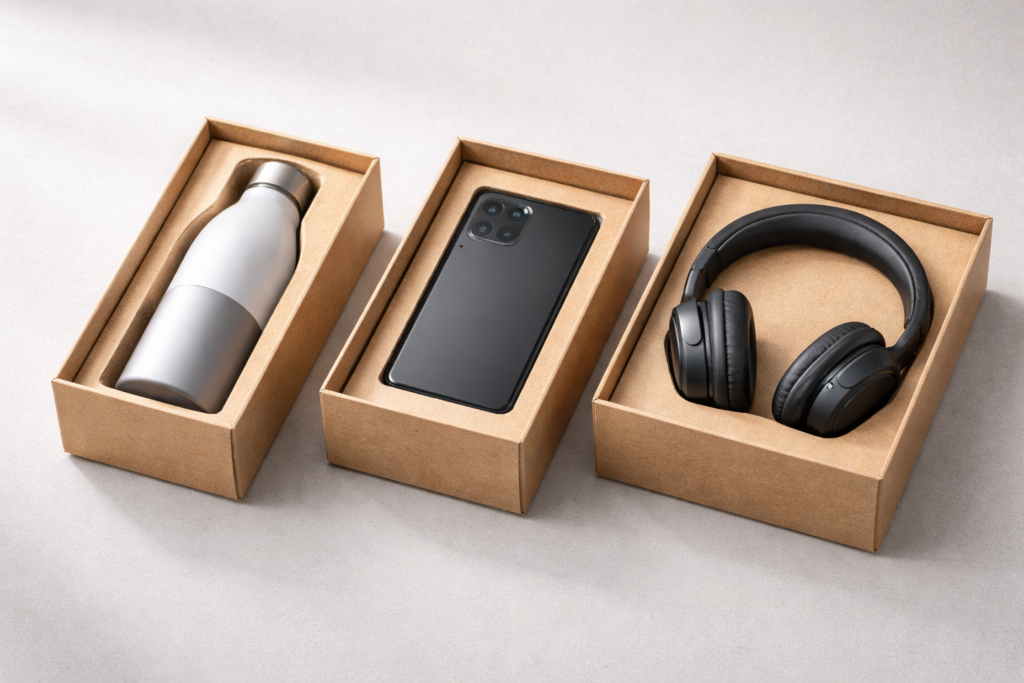
Custom sizing reduces:
- Movement
- Damage
- Filler waste
I always say: don’t force a product into a box that doesn’t want it.
Luxury vs. Practical Packaging: Matching Box Types to Your Target Market
Your customer decides the box—not you.
Luxury buyers want experience. Practical buyers want efficiency.
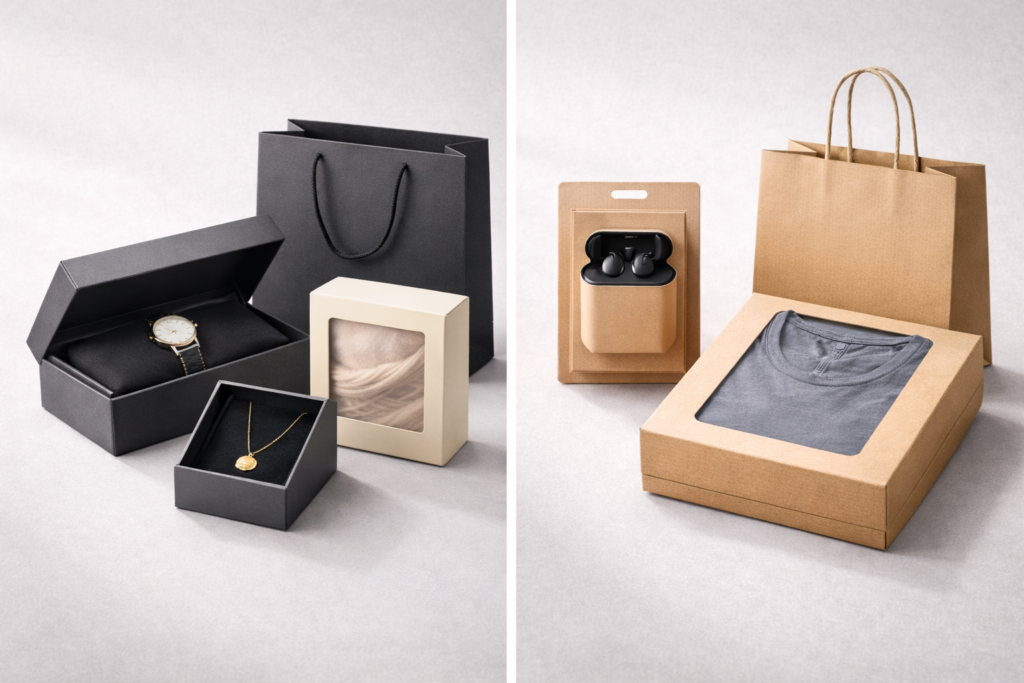
Mismatch causes friction. Match creates comfort.
Know who you’re serving first.
Which Box Type Works Best for Cosmetics, Jewelry, and Accessories?
Small products need strong presentation.
Rigid, drawer, and magnetic boxes work best here.
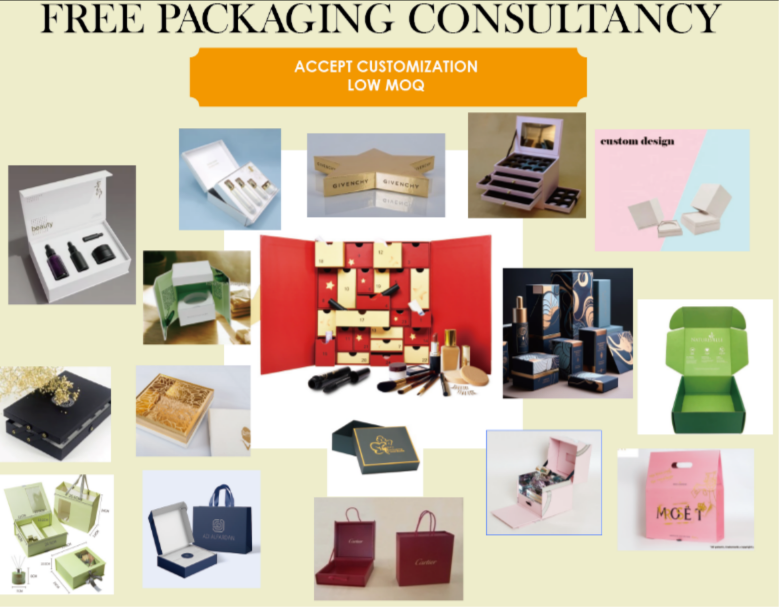
They protect delicate items and elevate perceived value instantly.
Packaging for Electronics: Balancing Protection and Presentation
Electronics need both armor and beauty.
Use corrugated outside, premium inside when possible.
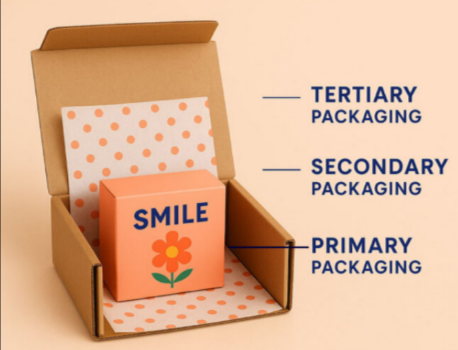
This layered approach reduces damage and improves first impressions.
Custom Inserts and Box Types: How Structure Impacts Product Safety
A good insert completes the box.
The box holds. The insert protects.
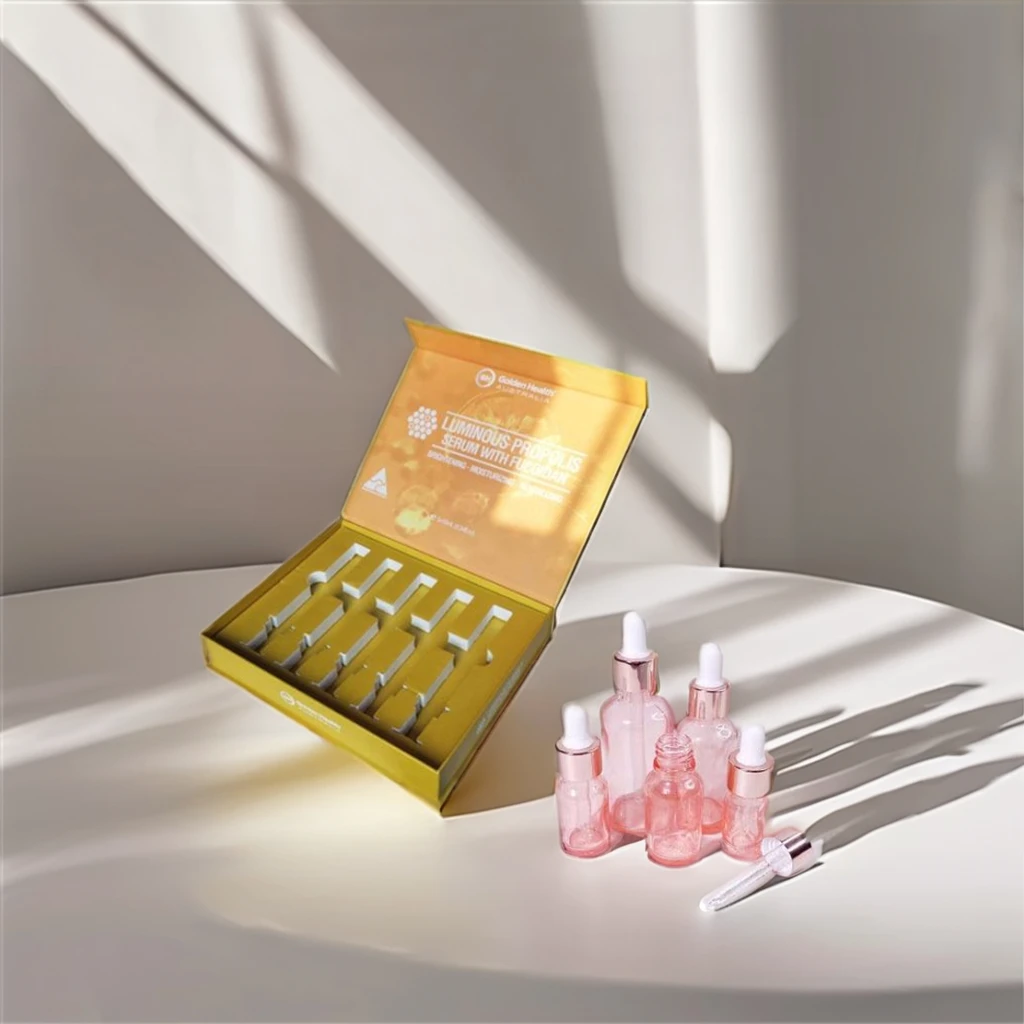
Foam, paper, molded pulp—each changes the performance.
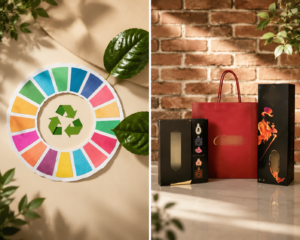
Sustainability Matters: Choosing Eco-Friendly Box Types
Sustainability starts with structure.
Use less material. Choose recyclable designs.
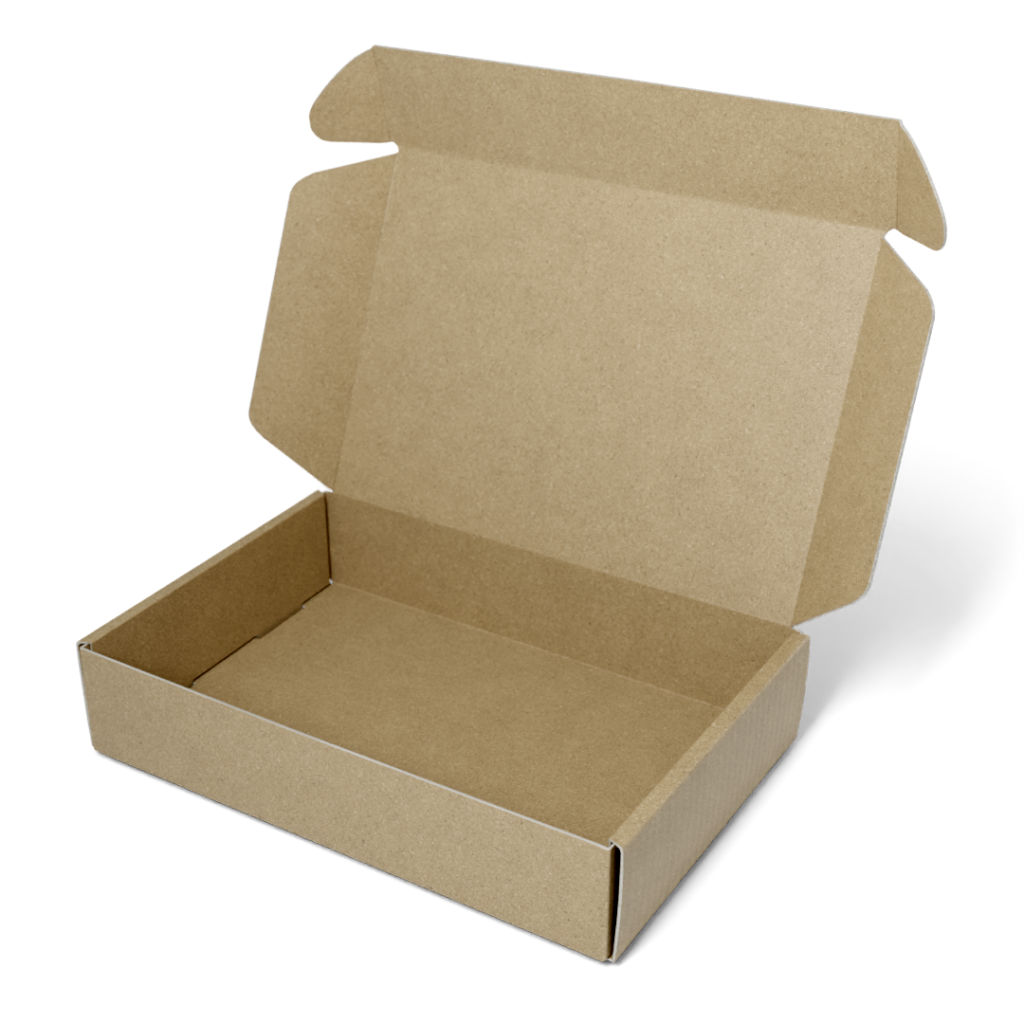
Smart structure is often greener than fancy material.
Conclusion
The best box isn’t the most expensive—it’s the one that fits your product, your customer, and your story.