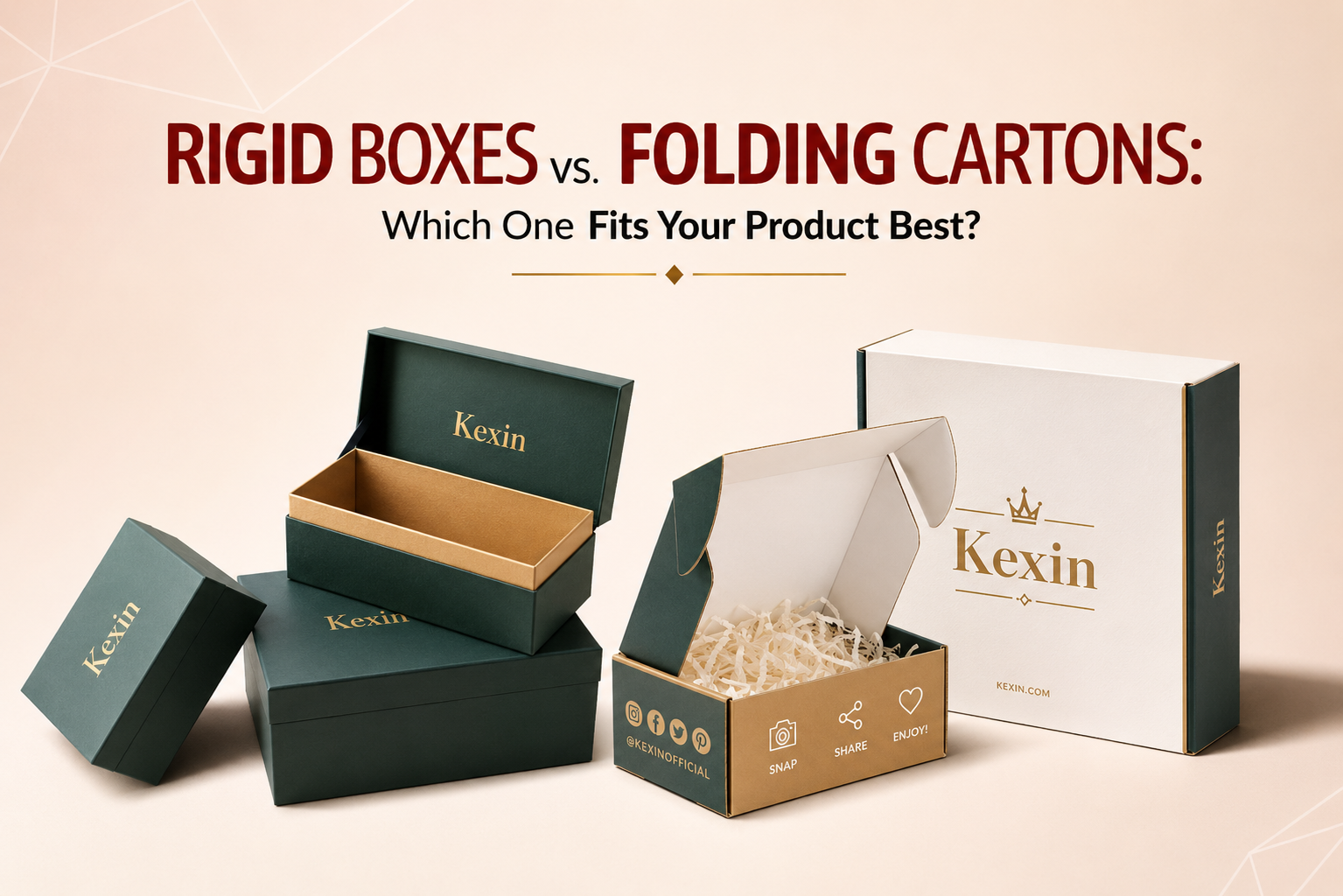
I get this question almost every week:
“Should I choose a gift box or a folding box?”
Honestly, it’s a good question. And it’s also one of the easiest places to make a costly mistake.
The real difference between a gift box and a folding box is not just how they look—it’s how they’re built, shipped, stored, and paid for. Gift boxes feel premium and come pre-assembled, but cost more. Folding boxes ship flat, save space, and help control budgets. The right choice depends on branding goals, volume, logistics, and how much experience you want your customer to feel.
Before we talk about numbers, let’s clear up the biggest confusion first.
What’s the Real Difference Between a Gift Box and a Folding Box?
Many buyers mix these two up. I see it all the time—and I don’t blame them.
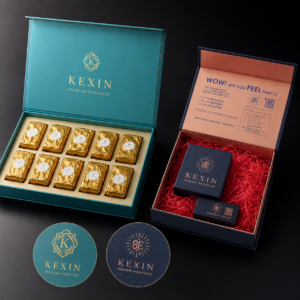
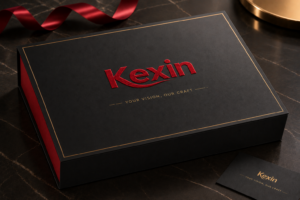
A gift box is rigid, pre-assembled, and made for presentation. A folding box is flexible, shipped flat, and built for efficiency.
Let me share a small moment from real life.
A junior buyer from Germany once said to me,
“They look almost the same in photos. Why is the price so different?”
That question makes perfect sense—until you touch them.
A gift box keeps its shape even when it’s empty. It feels solid in your hands.
A folding box arrives flat, gets folded during packing, and focuses on function.
I usually explain it like this:
- A gift box is like a fully assembled wooden chair.
- A folding box is IKEA—flat-packed, smart, efficient.
Here’s a simple comparison I often send to clients:
| Feature | Gift Box | Folding Box |
|---|---|---|
| Structure | Rigid greyboard | Paperboard |
| Shipping | Assembled | Flat-packed |
| Storage | Takes more space | Space-saving |
| Look & feel | Premium, luxury | Clean, practical |
| Cost | Higher | Lower |
Once this difference is clear, most decisions become much easier.
Cost Breakdown: Why Gift Boxes Are More Expensive Than Folding Boxes
The price gap isn’t random. There are very real reasons behind it.
Gift boxes cost more because of thicker materials, manual labor, extra tooling, and higher logistics costs.
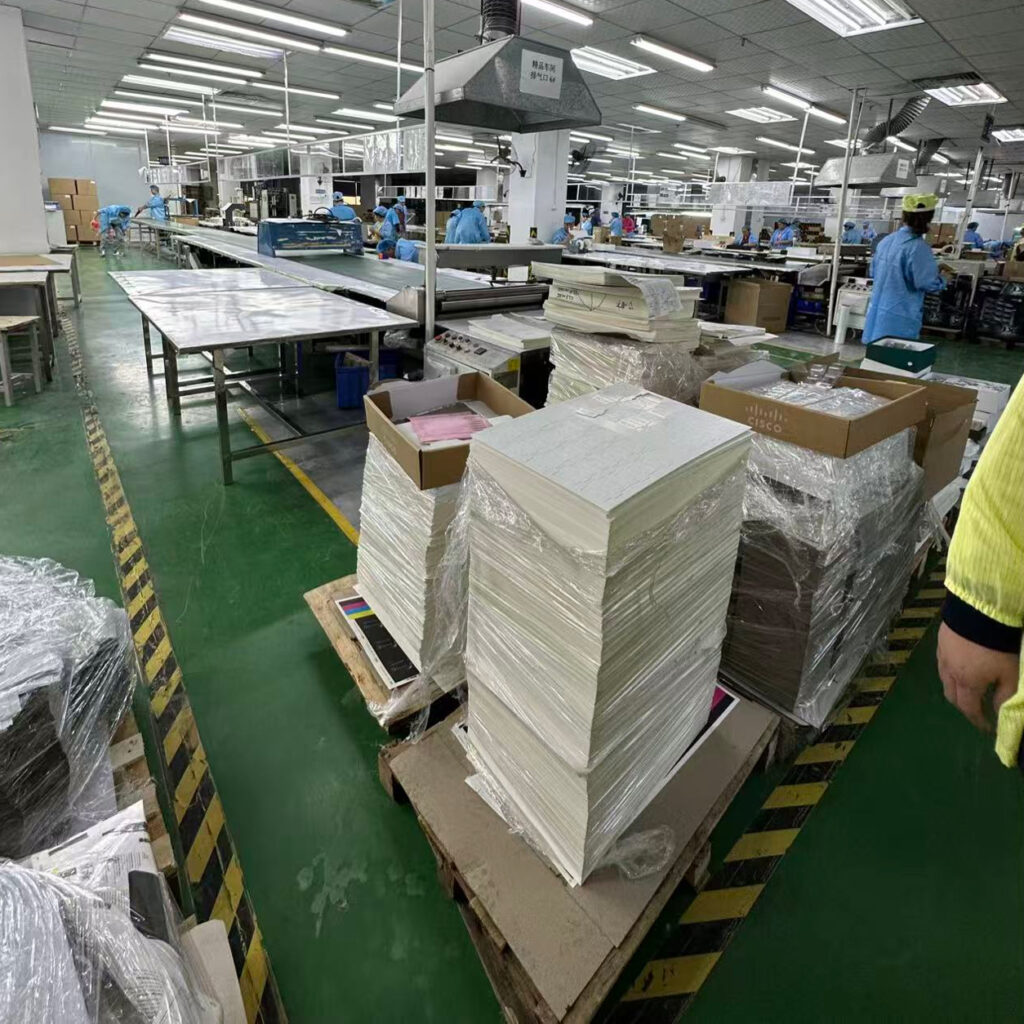
When someone asks me, “Can we make the gift box cheaper?”
I usually smile—and then explain where the money really goes.
First, materials.
Greyboard is thick and dense. Paperboard is lighter and easier to handle. Thicker board simply costs more.
Second, labor.
Gift boxes are not just printed and finished. They involve:
- Board cutting
- Paper wrapping
- Precise gluing
- Manual alignment
- Hand inspection by QC
Folding boxes, on the other hand, are mostly automated.
Third, time.
A folding box moves fast on the production line.
A gift box moves slowly and carefully—human hands matter here.
And finally, risk.
If a gift box is off by just 1–2 mm, you can see it immediately. That means stricter quality control and higher rejection risk.
So yes—gift boxes are more expensive.
Not because suppliers want higher margins, but because they truly cost more to make.
Material Comparison: Rigid Greyboard vs Paperboard Structures
Material choice affects more than just looks—it changes the whole supply chain.
Greyboard offers strength and luxury. Paperboard offers flexibility and cost control.
After more than 20 years working with packaging, this is how I explain it simply.

Greyboard:
- Thick and strong
- Keeps its shape permanently
- Feels heavy and valuable
- Ideal for premium products
Paperboard:
- Lightweight
- Easy to die-cut and fold
- Excellent for high-quality printing
- Better for automation and scale
Here’s a quick overview buyers often appreciate:
| Factor | Greyboard | Paperboard |
|---|---|---|
| Thickness | Very thick | Thin to medium |
| Touch & feel | Luxury | Practical |
| Automation | Limited | High |
| Cost control | Harder | Easier |
There’s no “better” material—only the right one for your goal.
Tooling, Labor & Assembly: The Hidden Costs Buyers Often Miss
This is where many budgets quietly break.
Beyond materials, gift boxes involve extra tooling, manual assembly, and slower production—costs often missed in early quotes.
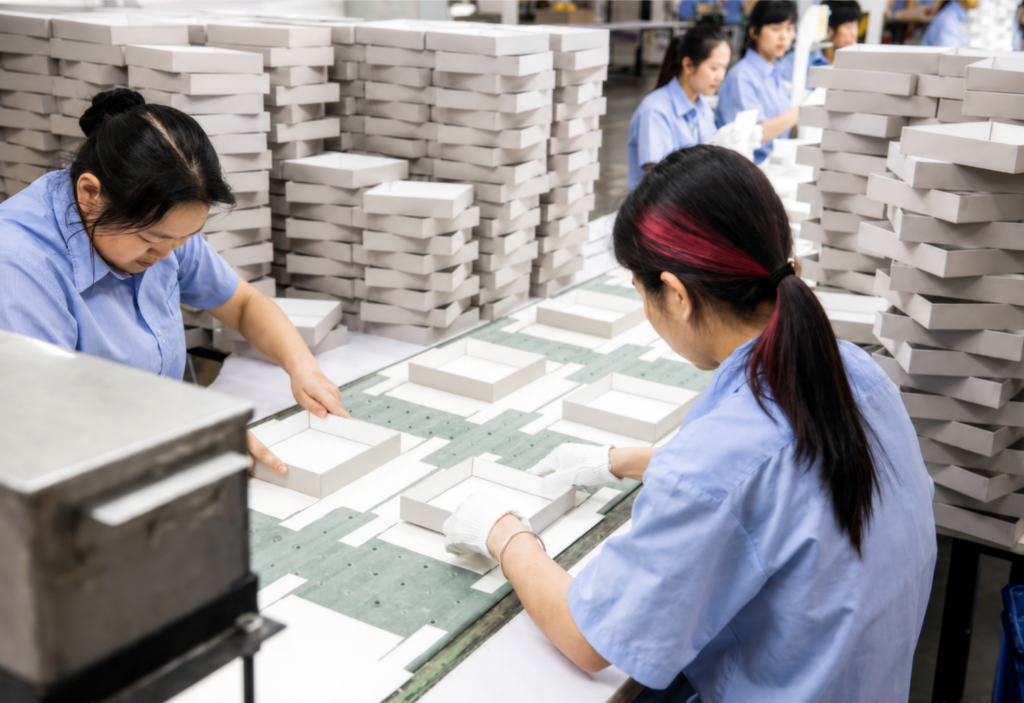
Procurement officers often focus on unit price.
Experienced buyers look at total cost.
Hidden factors include:
- Custom molds for rigid structures
- Manual wrapping lines
- Assembly time per box
- More QC labor
I once worked with a client who chose a gift box for a fast campaign.
Two weeks later, logistics called—the warehouse was full.
That’s when a “premium choice” suddenly felt very expensive.
Shipping & Storage Costs: Flat-Pack Efficiency vs Assembled Luxury
This part matters a lot for importers.
Folding boxes ship flat and save space. Gift boxes ship assembled and cost more to store and transport.
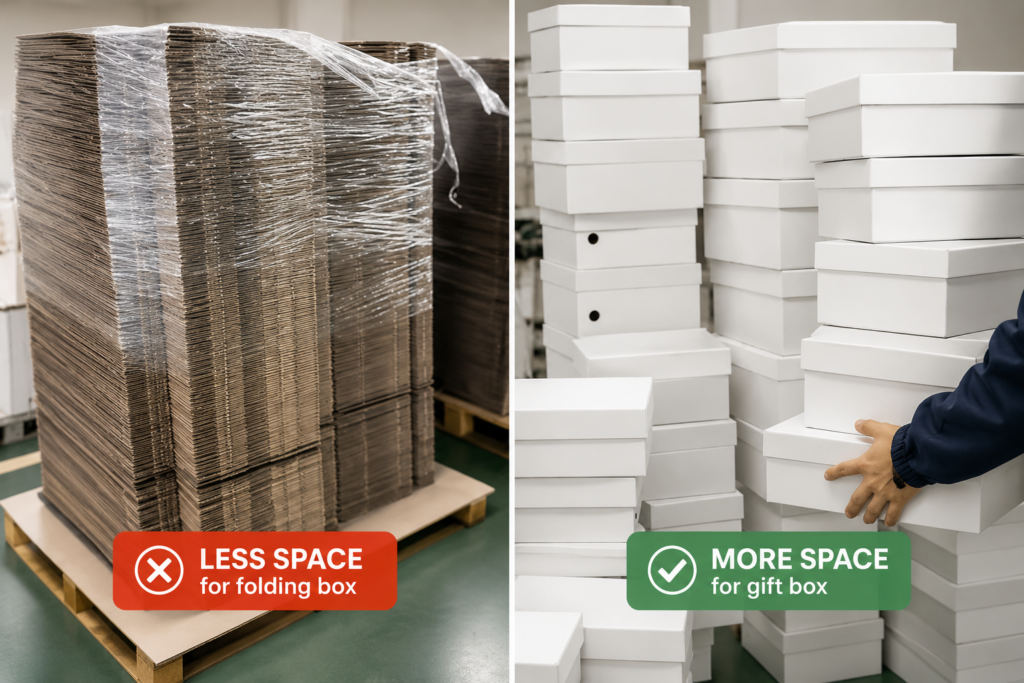
A container filled with folding boxes carries more products.
A container filled with gift boxes carries more air.
Flat-pack efficiency matters when you:
- Ship internationally
- Pay by cubic meter
- Manage limited warehouse space
Luxury always takes room.
That’s not a problem—it’s a trade-off.
When a Gift Box Makes Sense: Premium Branding & Unboxing Experience
Sometimes, higher cost is not a mistake.
Gift boxes make sense when brand image and emotional impact affect buying decisions.
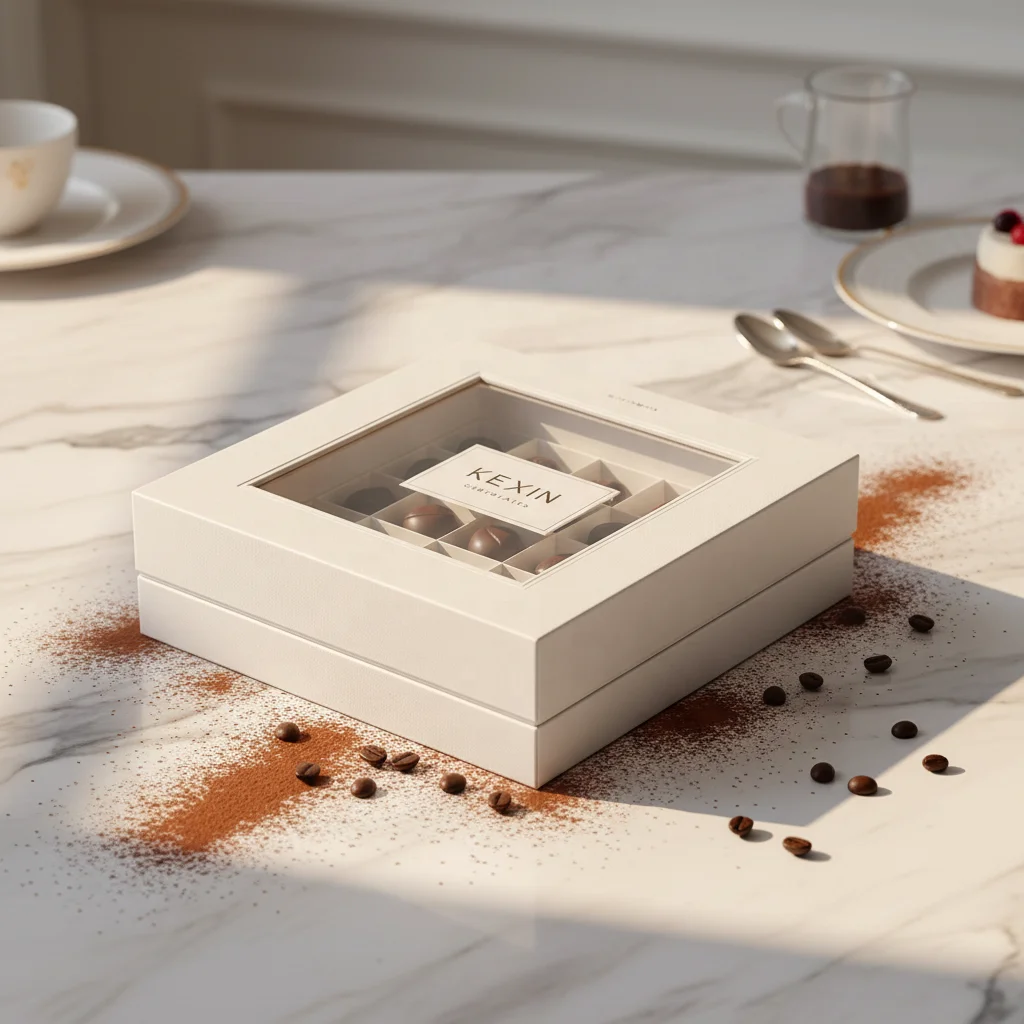
If your product is:
- High-margin
- Gift-driven
- Emotion-based
Then the box becomes part of the product itself.
Think jewelry.
Think luxury cosmetics.
Think VIP gift sets.
When customers say “wow” before they even open the box—that feeling has value.
When Folding Boxes Are the Smarter Choice: Volume, Speed & Budget Control
This is where folding boxes quietly win.
Folding boxes are ideal for large volumes, fast production, and tight budgets.
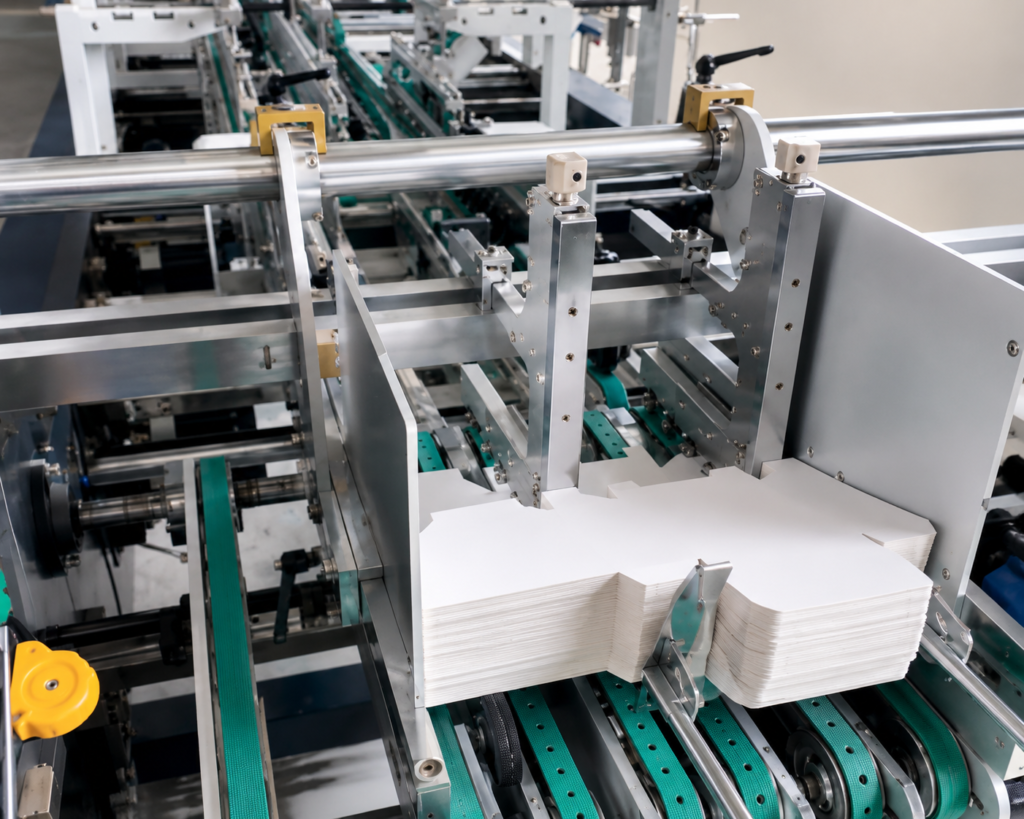
I usually recommend folding boxes when clients need:
- Faster lead times
- Easy reorders
- Lower risk on MOQs
- Better cost predictability
Smart packaging doesn’t shout.
It simply works.
Typical Use Cases by Industry: Cosmetics, Electronics, Apparel & Gifts
Different industries follow different logic.
Each industry balances branding and efficiency in its own way.
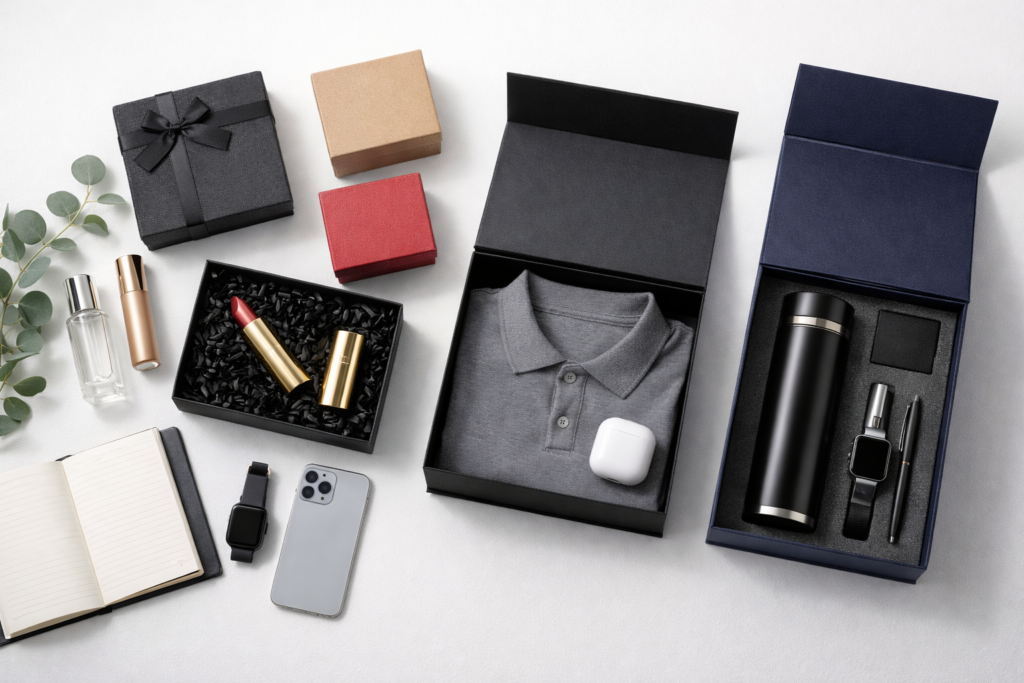
Here’s what we see most often:
| Industry | Common Choice | Reason |
|---|---|---|
| Cosmetics | Gift box | Branding & experience |
| Electronics | Folding box | Protection & cost |
| Apparel | Folding box | Volume & speed |
| Corporate gifts | Gift box | Presentation |
Can Folding Boxes Look Premium? Finishing Techniques That Change the Game
This is my favorite question—and the answer is yes.
With the right finishing, folding boxes can look premium without the cost of rigid boxes.
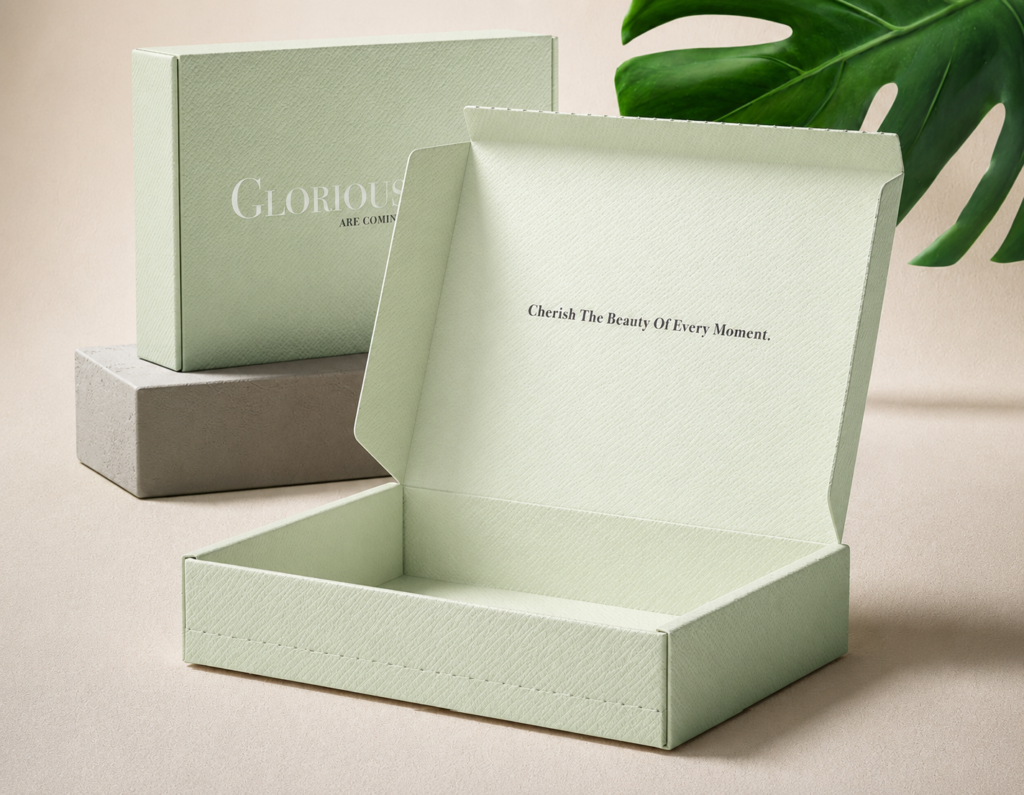
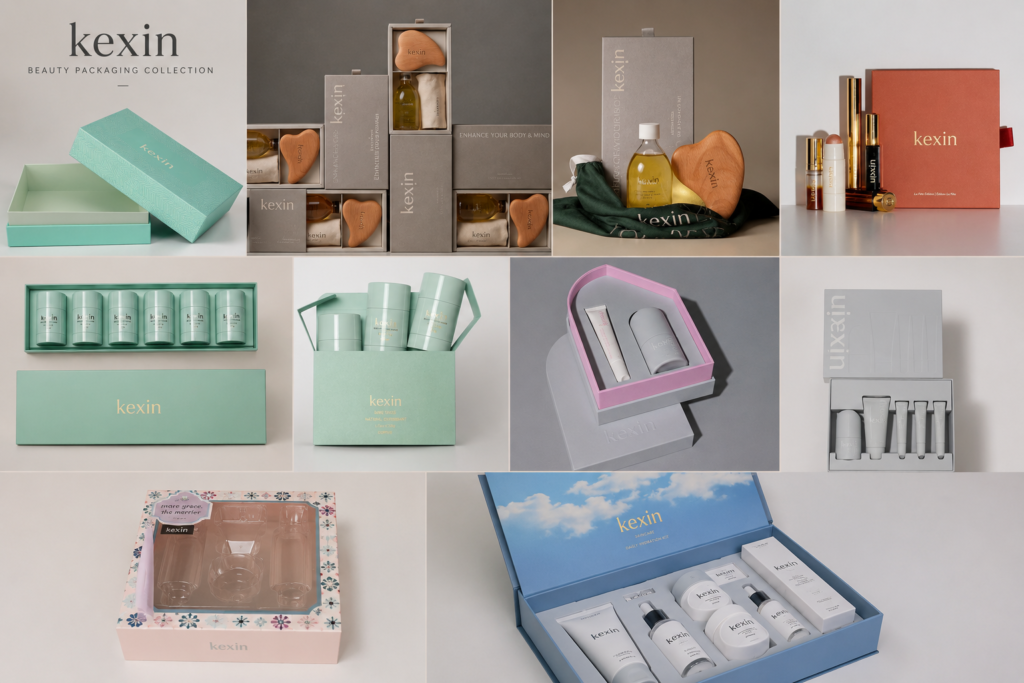
Although above green mailer box is built with an economical corrugated structure, every detail has been carefully considered to create a premium brand presentation.
The exterior is wrapped with embossed specialty paper and printed in an elegant mint green tone. A combination of debossing and transparent white foil stamping highlights the simple logo, creating a refined and sophisticated visual effect.
By combining carefully selected materials, premium finishing techniques, and precise craftsmanship, this packaging transforms a cost-effective corrugated mailer box into a stylish and high-end brand experience. The clean design, subtle texture, and understated elegance allow the product to communicate quality while expressing the unique character and value of the brand.
Design does a lot of heavy lifting here.
We often use:
- Soft-touch lamination
- Gold or silver foil stamping
- Spot UV
- Special textured paper
Same structure.
Very different feeling.
It’s like changing the outfit, not the body.
How to Choose the Right Box for Your Product & Budget
This is where everything comes together.
The right box balances budget, branding, logistics, and customer experience.
When clients ask me, “What should I choose?”
I usually ask back:
- Is this a gift—or a daily product?
- Will customers keep the box?
- Are you shipping internationally?
- How tight is your timeline?
Answer those honestly, and the box often chooses itself.
And if you’re still unsure—that’s exactly why I’m here.
Conclusion
The best packaging isn’t expensive or cheap.
It’s the one that makes sense for your business.