
Comprehensive Guide to Flocking in Packaging
Flocking is one of those finishes that people feel before they fully understand it.
Soft. Rich. Quietly luxurious.
In packaging, flocking creates a velvet-like surface that instantly raises perceived value. It’s widely used for premium boxes where touch, emotion, and presentation matter as much as protection.
If you’ve ever wondered whether flocking is right for your product—and what risks come with it—this guide is for you.
What Is Flocking in Packaging?
Flocking often sounds mysterious, but the concept is simple.
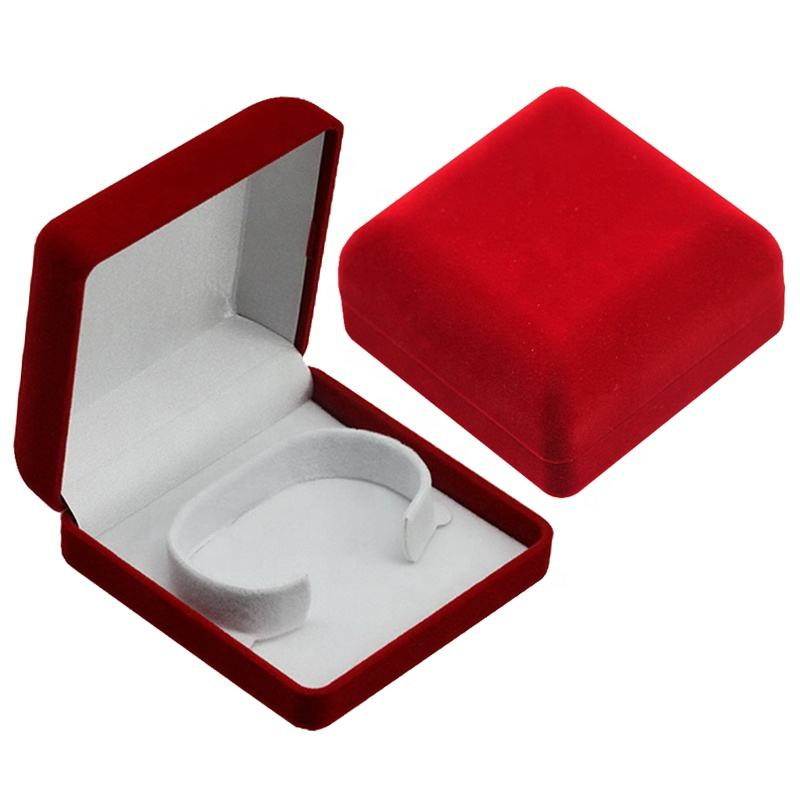
Flocking is a surface finishing process where short fibers are electrostatically applied onto a glued surface, creating a soft, velvet-like texture.
Here’s how it works in real production:
- Glue is applied to a specific area
- Tiny fibers are sprayed onto the surface
- Static electricity makes the fibers stand upright
- Excess fibers are removed after curing
The result is a dense, soft layer that looks rich and feels warm.
It’s not printing.
It’s not lamination.
It’s closer to textile behavior on packaging.
That’s why flocking feels special—but also why it needs careful planning.
Why Brands Choose Flocking
Brands don’t choose flocking for speed or low cost.
They choose it because flocking adds emotional value and makes products feel more premium—without saying a word.
I’ve noticed something interesting over the years:
Customers may forget colors, but they remember how something felt.
Flocking helps brands:
- Signal luxury instantly
- Create contrast with smooth outer surfaces
- Make unboxing feel intentional and slow
That’s why it’s common in jewelry, watches, and high-end cosmetics—where perception matters as much as function.
Common Applications of Flocking in Box Packaging
Flocking is rarely used everywhere.
It works best in the right places.
The most common use is inside boxes—where customers touch first and linger longest.
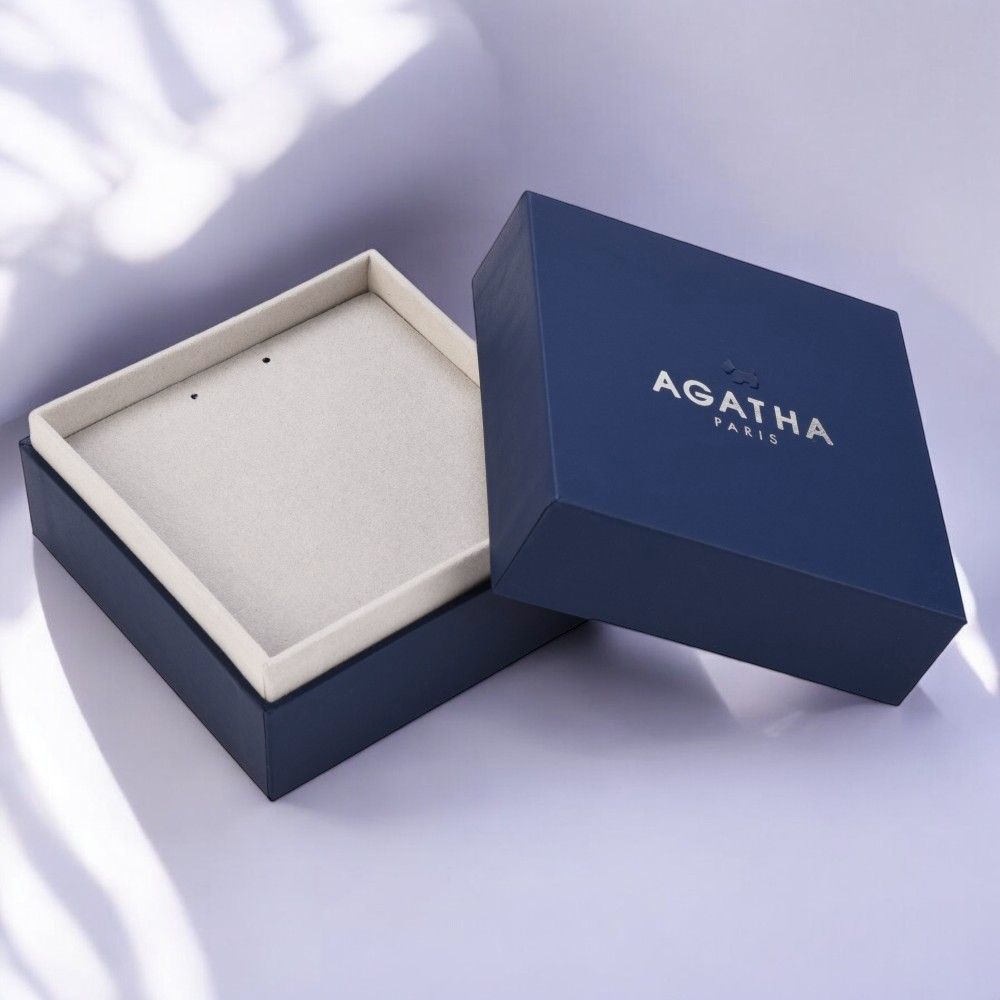
Typical applications include:
- Jewelry box interiors
- Watch box bases
- Cosmetic gift box inserts
- Luxury gift packaging trays
Sometimes we use flocking only on:
- Inserts
- Inner walls
- Product-holding areas
This keeps cost controlled while maximizing impact.
Flocking vs. Other Surface Finishes
Flocking isn’t the only way to create a premium feel.
Each surface finish creates a different emotional response—and serves a different purpose.
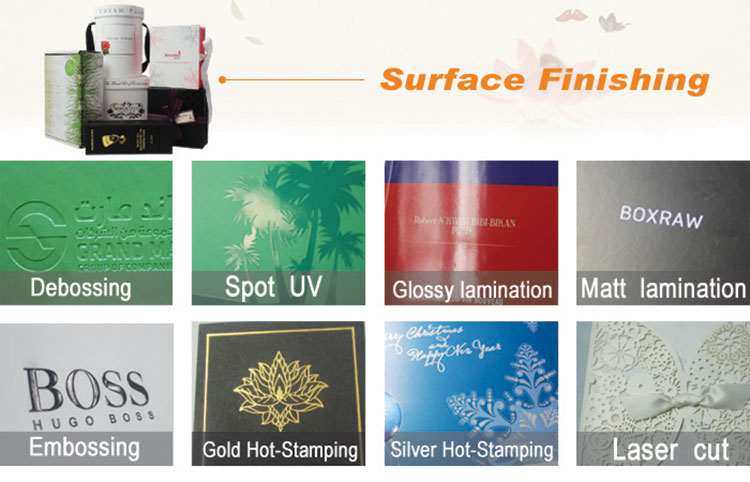
Here’s how flocking compares to other popular finishes:
| Finish | Feel | Best Use |
|---|---|---|
| Flocking | Soft, velvet-like | Inserts, inner boxes |
| Velvet lamination | Smooth, matte | Outer box surfaces |
| Soft-touch film | Silky, modern | Brand-focused packaging |
| Embossing | Tactile, raised | Logos & accents |
Flocking is the most sensory—but also the most sensitive.
Suitable Materials for Flocking in Packaging
Not every material loves flocking.
Stable, rigid surfaces with good adhesive compatibility work best.
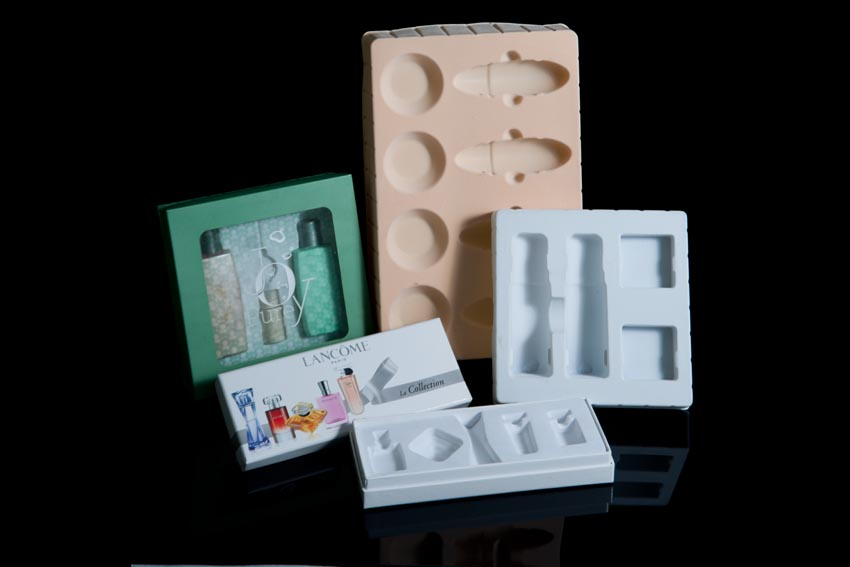
In practice, we recommend:
- Greyboard for rigid boxes
- Coated paper for inserts
- Certain plastics for molded trays
Materials that cause trouble:
- Very soft paper
- Oily or heavily laminated surfaces
- Highly textured substrates
Good material choice prevents shedding and uneven texture later.
Design Considerations for Flocked Packaging
This is where many risks hide.
Flocking requires design restraint—too much detail increases failure risk.
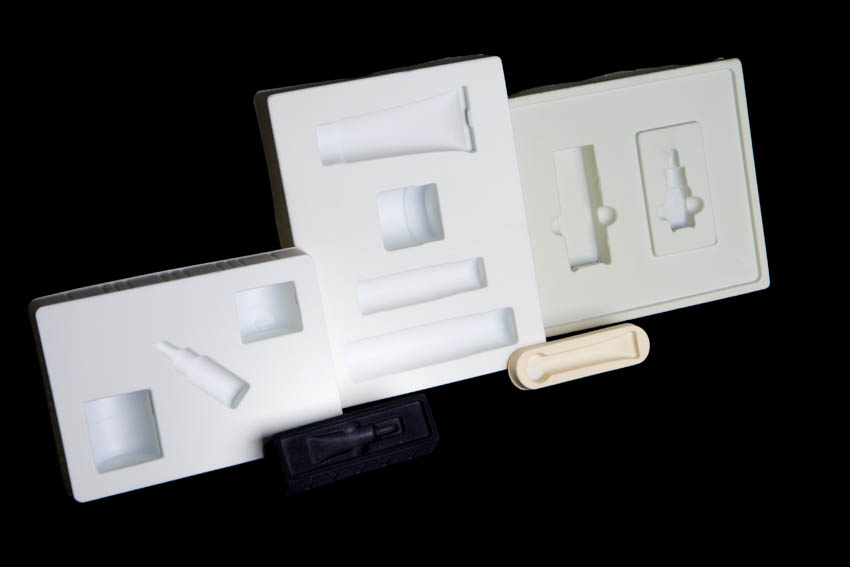
Key design tips I always share:
- Avoid very fine lines
- Leave enough margin near folds
- Don’t flock areas that will be heavily rubbed
- Keep artwork simple and bold
Flocking rewards clarity.
It punishes over-design.
Flocking Colors, Textures, and Customization Options
Flocking isn’t just black or red.
Color, fiber length, and density all affect how the final surface looks and feels.
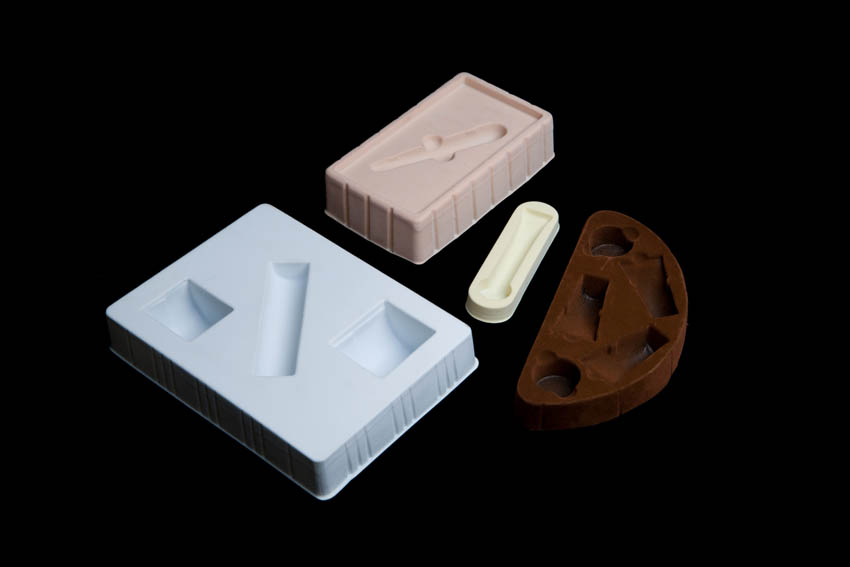
Design choices include:
- Deep, dark tones for luxury
- Light colors for cosmetics
- Short fibers for clean looks
- Longer fibers for richer texture
Higher density feels more premium—but costs more.
This is where samples matter a lot.
Cost Factors of Flocking in Packaging Production
Flocking is never the cheapest option.
Costs depend on area size, fiber type, color complexity, and manual labor involved.
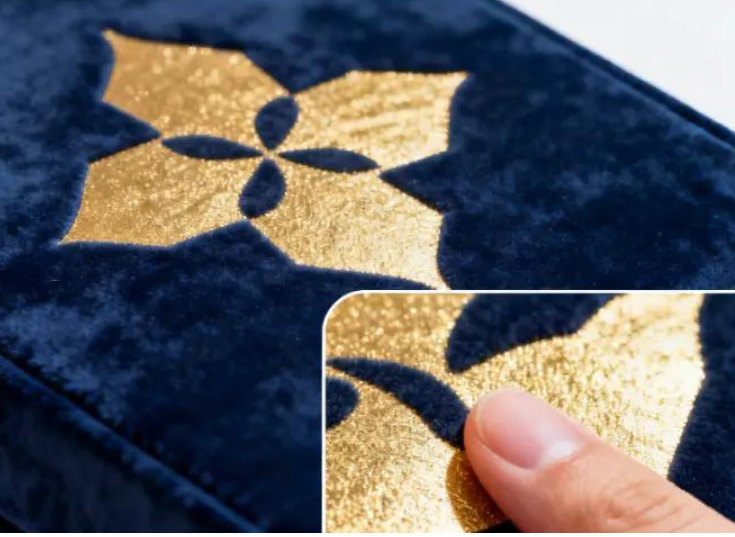
Main cost drivers:
- Flocked surface area
- Number of colors
- Fiber quality
- Yield and rejection rate
Smart cost control often means:
- Flocking only key areas
- Limiting color variety
- Designing for easier masking
Luxury doesn’t mean waste.
Quality Control & Common Issues in Flocking
This is where experience really shows.
Common flocking issues include shedding, weak adhesion, and color inconsistency—but all can be managed.
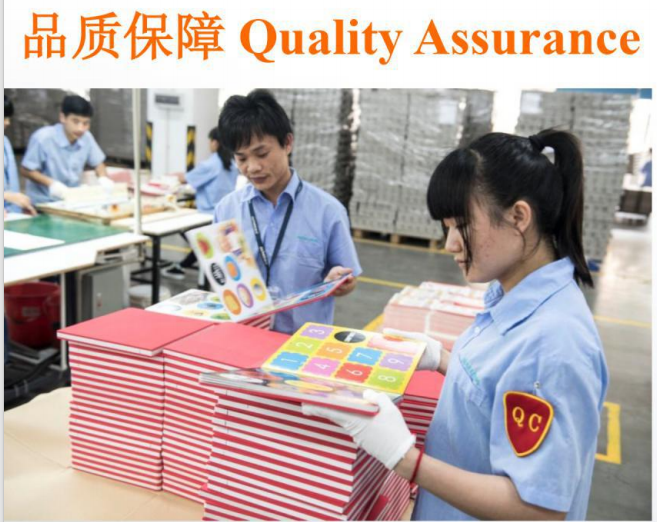
Typical problems:
- Fibers falling off
- Patchy texture
- Uneven color tone
Prevention comes from:
- Proper glue selection
- Controlled curing time
- Strict QC inspection
- Sample testing before bulk
Good flocking feels effortless—but it isn’t.
Is Flocking Right for Your Packaging Project?
Flocking is powerful—but not always right.
It works best for premium, touch-focused products with enough margin to support careful production.

I usually ask clients:
- Will customers touch this area often?
- Does the product justify the cost?
- Is durability more important than feel?
If the answer feels right, flocking can elevate the entire experience.
If not, simpler finishes may serve you better.
Conclusion
Flocking isn’t about decoration.
It’s about emotion, intention, and experience.
