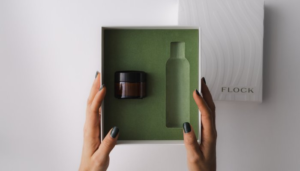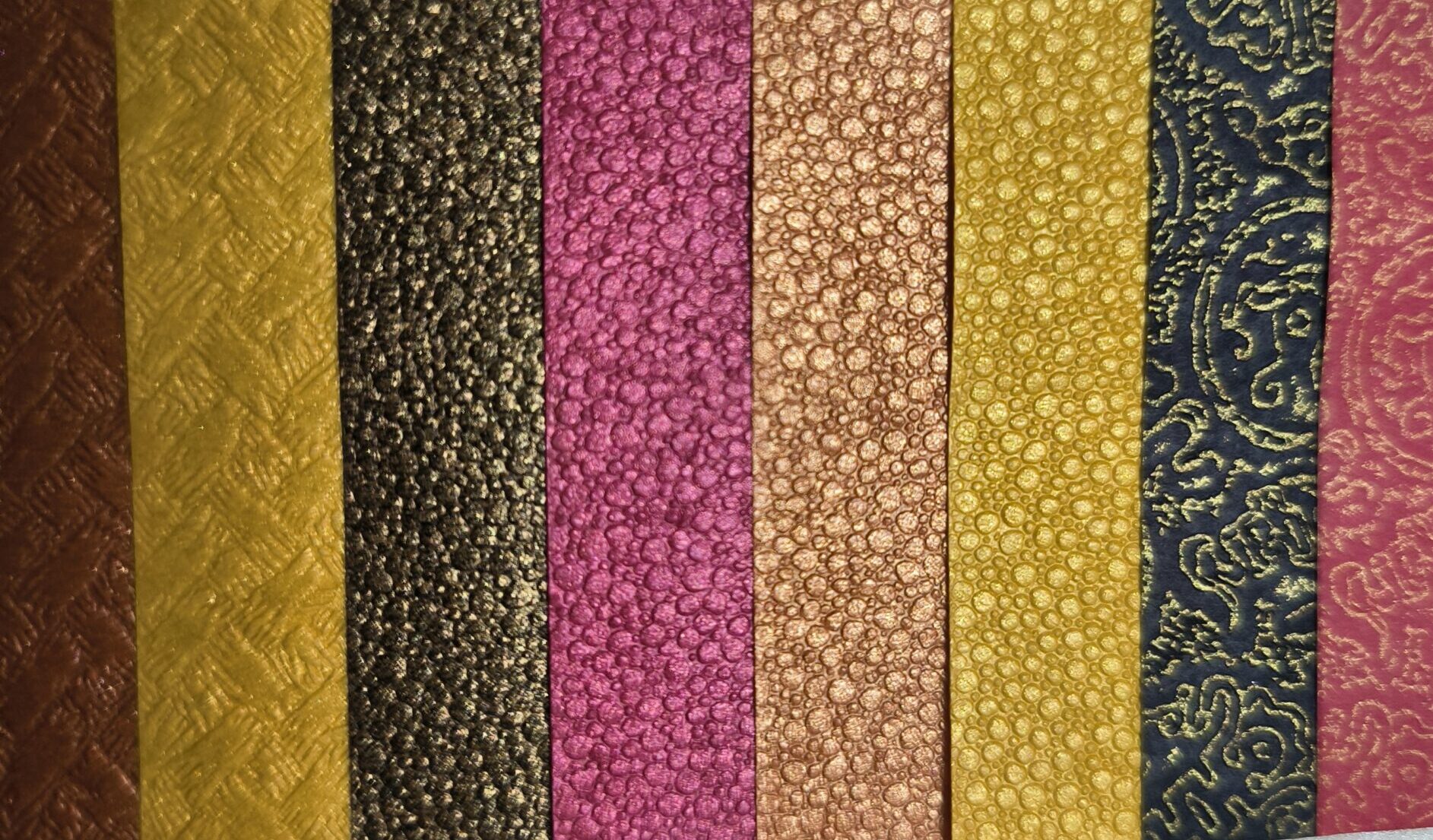
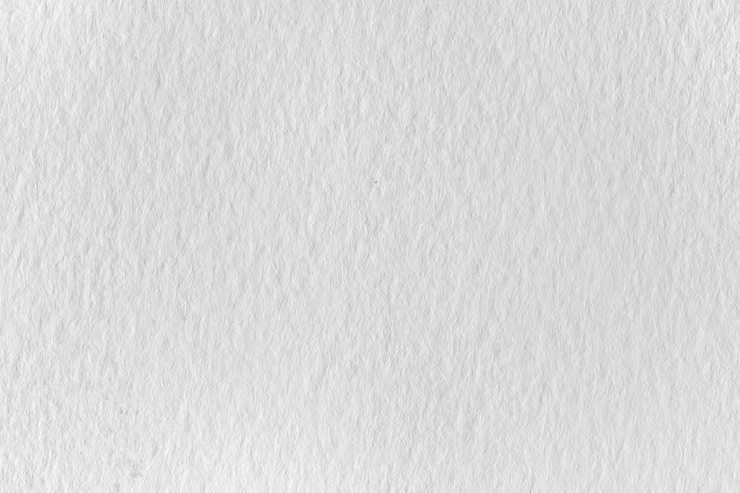
Textured paper is one of those materials people rarely stop to talk about seriously.
But once you’ve truly touched it, it’s almost impossible to forget.
I’ve seen the same scene play out again and again.
A client picks up two boxes with the exact same design and printing.
One is smooth.
The other has texture.
Which one do they keep touching?
Almost always, it’s the textured one.
That’s the quiet power of textured paper.
It doesn’t shout.
It invites.
What Is Textured Paper?
Textured paper is a type of specialty paper with a visible, tactile surface.
Unlike standard smooth paper, it carries patterns or fiber structures you can actually feel with your fingers. These textures are created through embossing, coating, or layering fibers during the papermaking process.
The result is simple—but powerful.
Packaging feels more considered.
More human.
And naturally more premium.
Common textures include linen, felt, laid, and hammered finishes. Each one tells a slightly different story. That’s why textured paper is not just a material choice—it’s a brand choice.
So the real question is:
What kind of story do you want your brand to tell?
Choosing the right textured paper to express your brand is a lot like choosing the right partner—or the right pair of shoes. When it fits, everything feels right. When it doesn’t, you feel it immediately.
Why Does Textured Paper Feel So Different?
Textured paper doesn’t just look different.
It changes how people feel.
When someone touches textured packaging, something subtle but important happens.
They slow down.
They start noticing details.
The product feels thoughtful, not rushed.
That single moment of touch becomes memory.
And memory is where brand value is born.
I often think of it like tree rings. A tree needs time to form each ring. In the same way, repeated encounters with a distinctive texture slowly build layers of brand memory.
This is why brands that care deeply about experience often choose textured paper—not just to protect a product, but to express character.
Quiet, confident, full of depth.
Simple, but never plain.
That’s why so many high-end brands arrive at textured paper almost instinctively.
Think of:
- Chanel’s iconic crocodile-textured paper
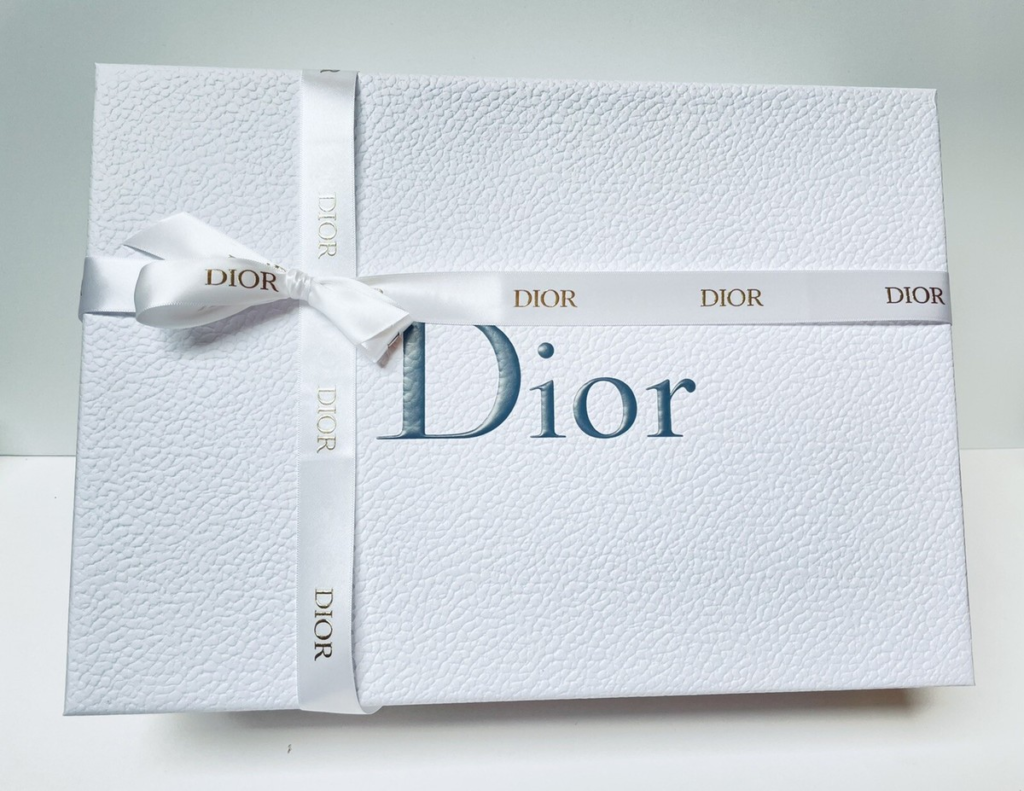
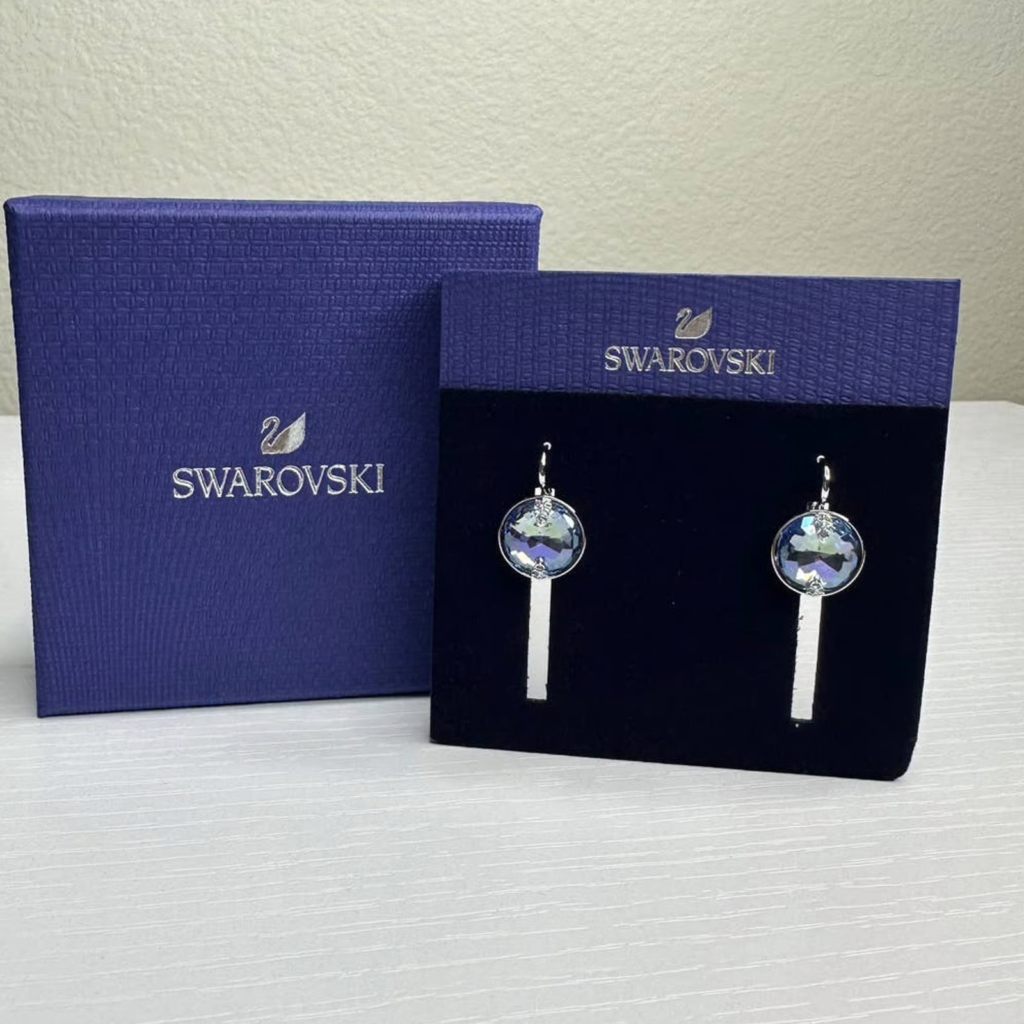
- Swarovski’s signature blue globe pattern
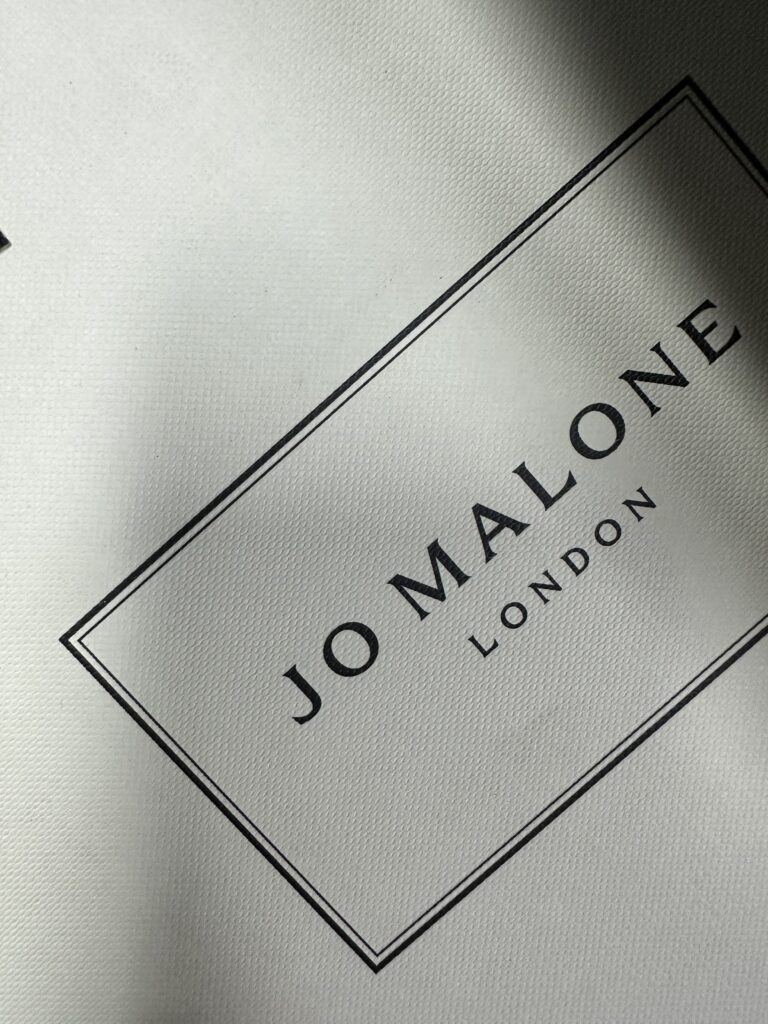
- Jo Malone’s linen-inspired texture
Textured paper comes in endless styles and elegant variations. When chosen well, it gives designers space to imagine—and gives brands a chance to stay unforgettable.
Different Types of Textured Paper and What They Communicate
Not all textures say the same thing.
Choosing the right one matters.
Linen Paper: Subtle and Professional
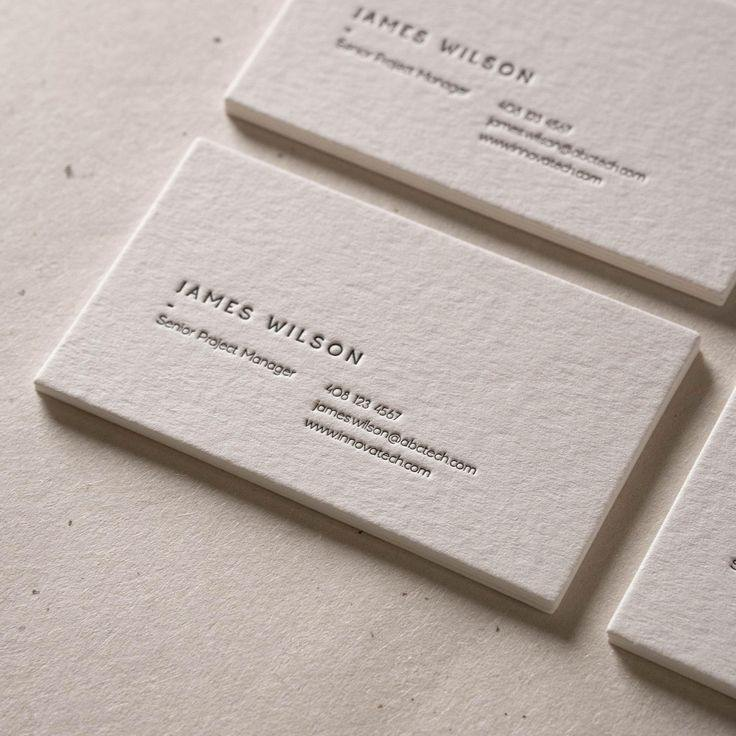
Linen paper has a fine, fabric-like weave.
It feels clean, structured, and calm.
You’ll often see it used for:
- Business cards
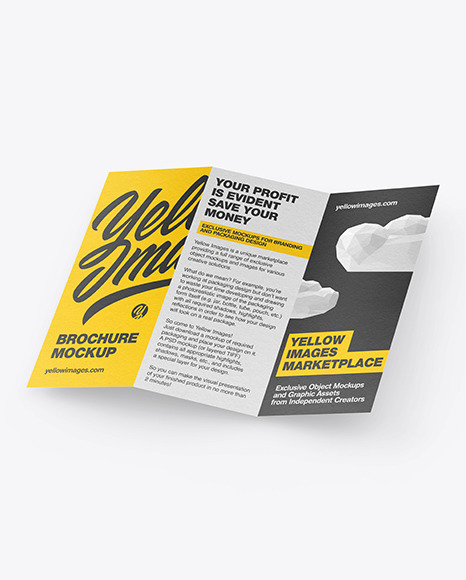
- Brochures
- Premium stationery
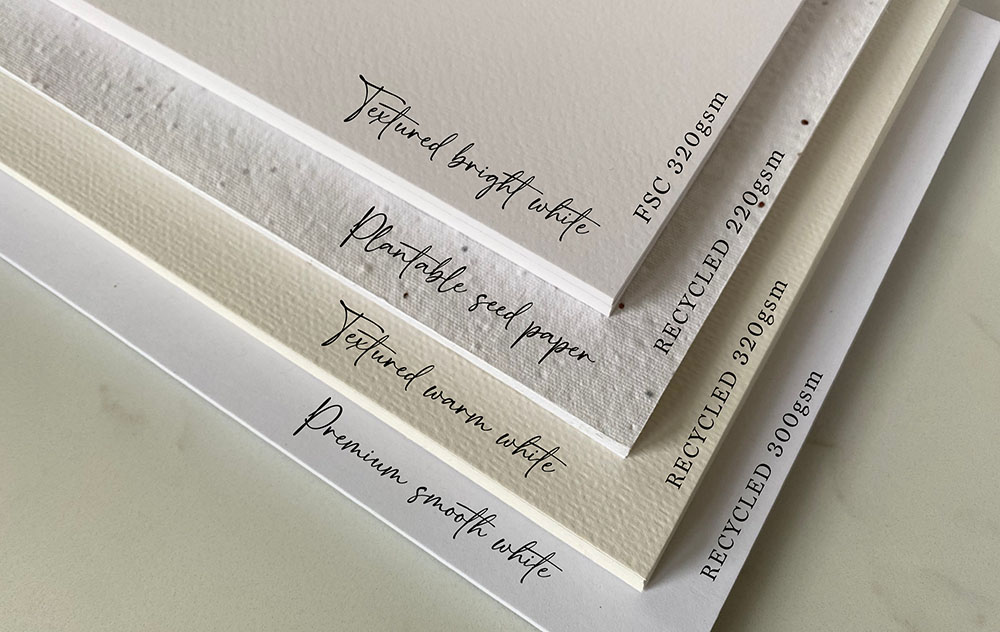
It adds depth without stealing attention—perfect for brands that want to appear confident and restrained.
| Advantage | Common Use |
|---|---|
| Professional feel | Business cards |
| Fine texture | Brochures |
| Light but strong | Premium labels |
Felt Paper: Warm and Handcrafted
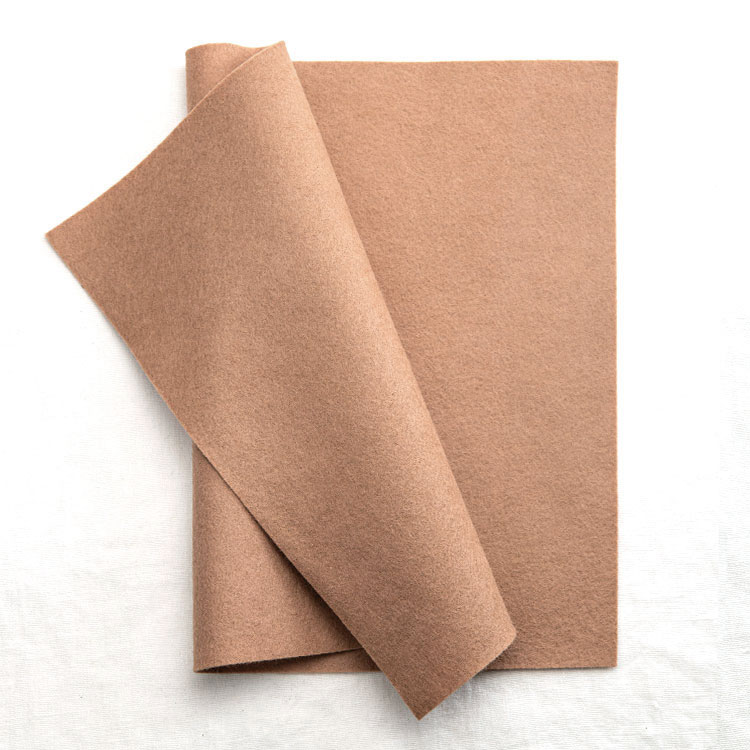
Felt paper is thicker and softer, with a touch that feels almost handmade.
It works beautifully for:
- Artisan brands
- Craft-based products
- Limited-edition packaging
This texture carries warmth. When people touch it, they feel something personal—like the product was made with care, not speed.
Laid Paper: Classic and Trust-Building
Laid paper features fine, parallel lines across its surface.
The feeling is traditional and serious.
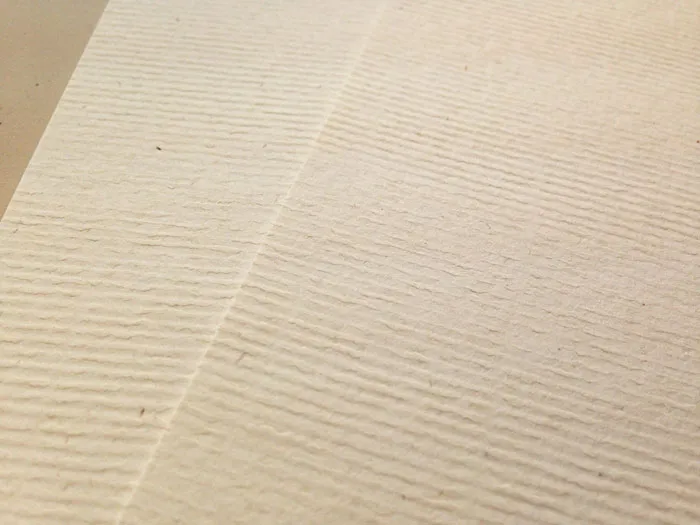
That’s why it’s often used for:
- Certificates
- Legal documents
- High-end packaging with heritage value
If your brand wants to communicate reliability, history, and trust, laid paper does the job quietly.
Hammered Paper: Bold and Eye-Catching
Hammered paper looks almost like hand-worked metal, with visible highs and lows.
It’s bold. Modern. Slightly dramatic.
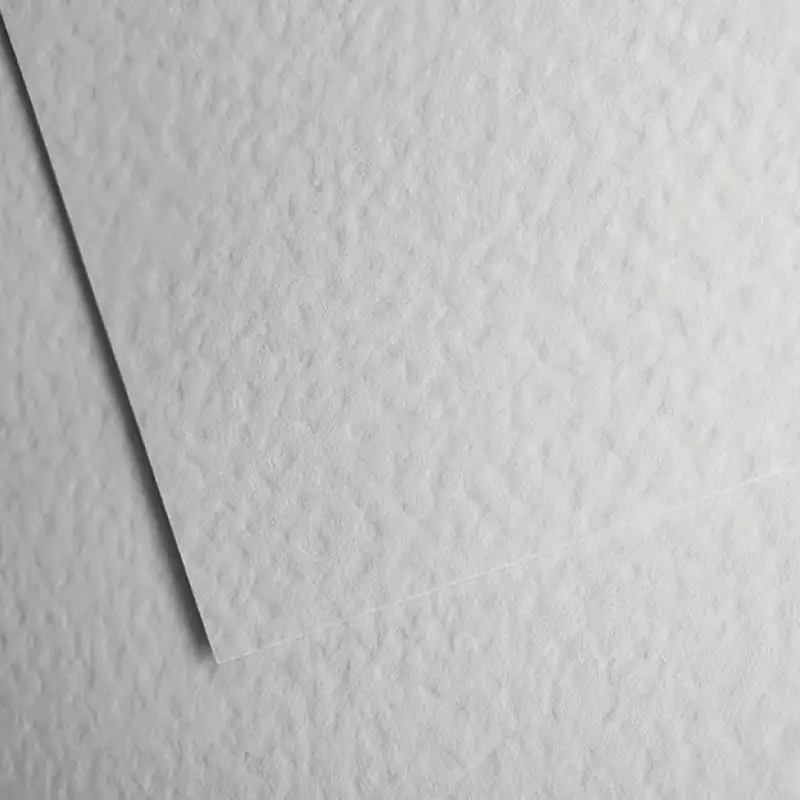
I usually recommend it for:
- Luxury gift boxes
- Special editions
- Packaging that needs to stand out on shelves
- Brand tags
How Texture Changes the Packaging Experience
Smooth paper looks nice.
Textured paper feels alive.
When packaging has texture, people instinctively touch it. Those extra few seconds of interaction significantly increase engagement and brand recall.
Texture turns packaging from a disposable shell into a remembered experience.
In a crowded market, being remembered matters more than being seen.
Let me put it simply:
If you buy a Chanel box, which stays with you longer?
A plain white smooth box—or a white box with crocodile texture?
We’ve worked with many clients who didn’t fully understand packaging materials. Their previous suppliers simply offered standard coated paper, and they accepted it without question.
When these clients came to us, we looked deeper—at their brand positioning, target market, and product story. Sometimes, changing just the paper material helped them stand out instantly. Customer feedback improved. Sales followed.
Sometimes, a small material choice changes everything.
Where Textured Paper Is Most Commonly Used
Textured paper appears most often in premium categories:
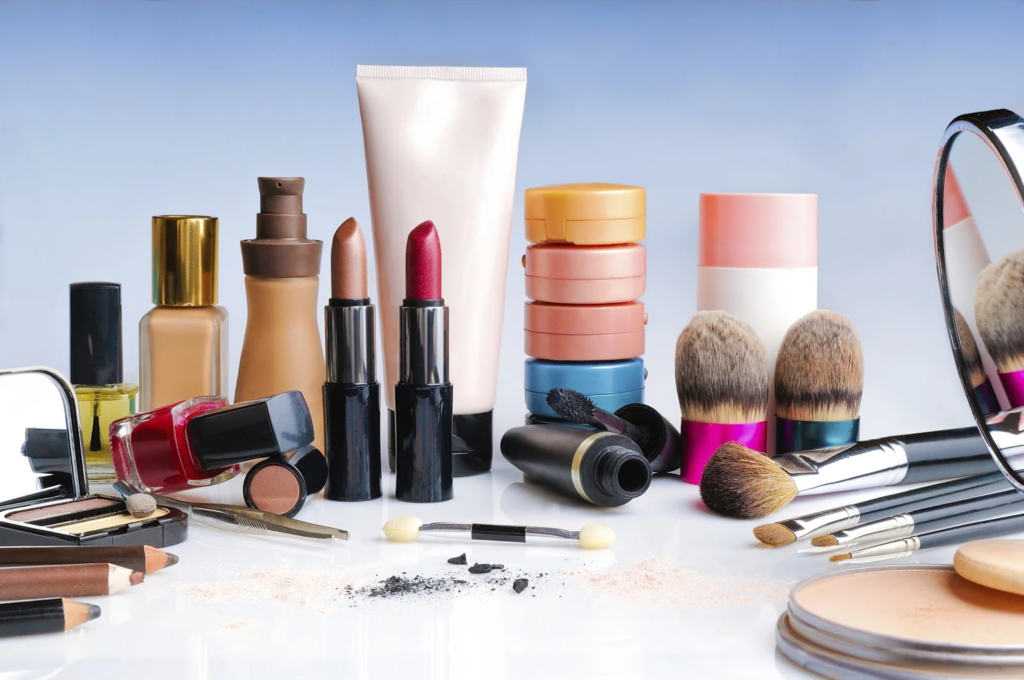
- Cosmetics
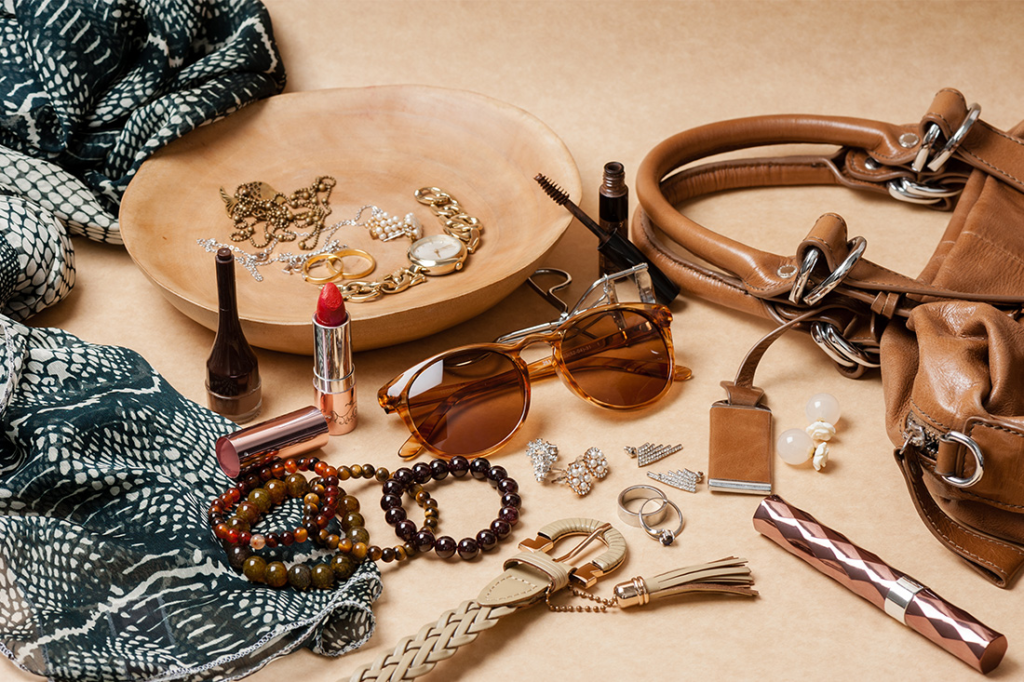
- Fashion accessories
- Wine and spirits

- High-end gifts
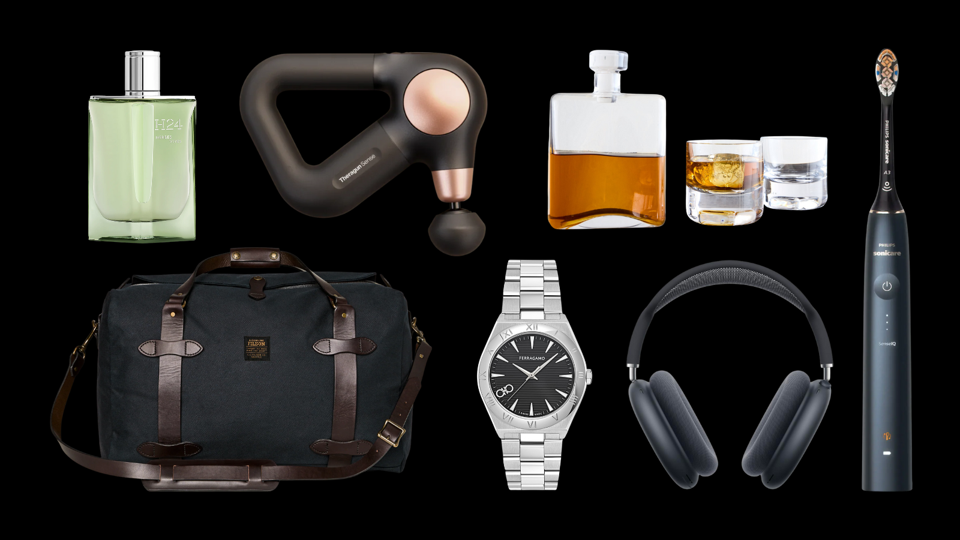
In these industries, perceived value is everything. Texture helps justify price—without saying a word.
A beautiful textured paper paired with a logo can deliver a master-level finish without complex techniques. It’s like a martial arts master who wins without showing off moves.
Luxury products naturally belong with master-level packaging.
Combining Texture with Finishing Techniques
Texture is just the starting point.
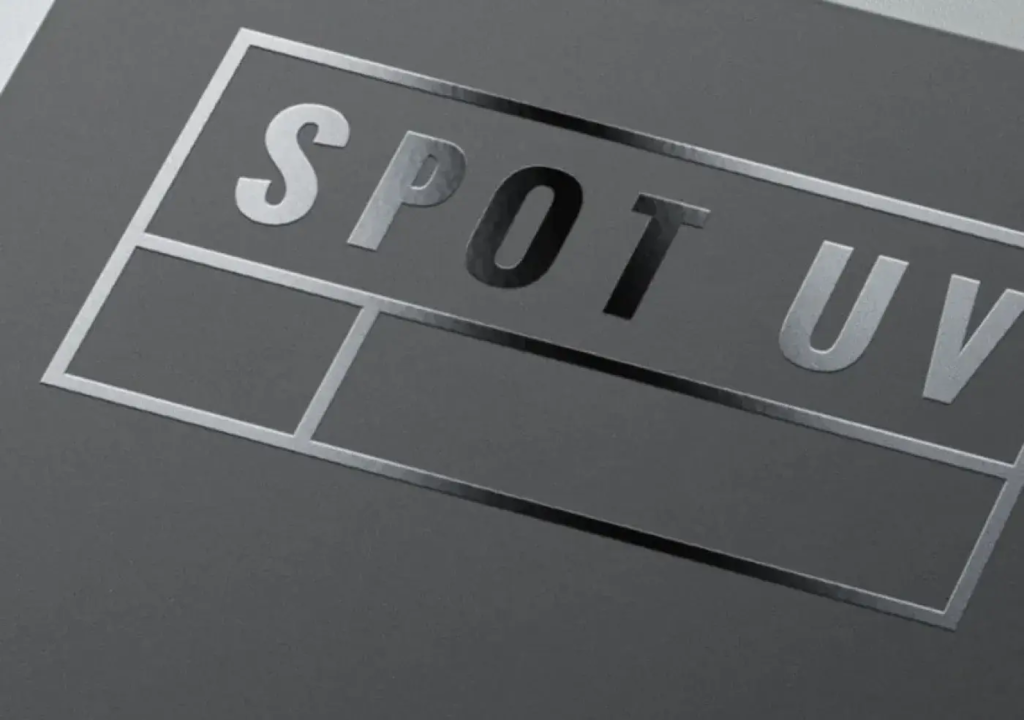
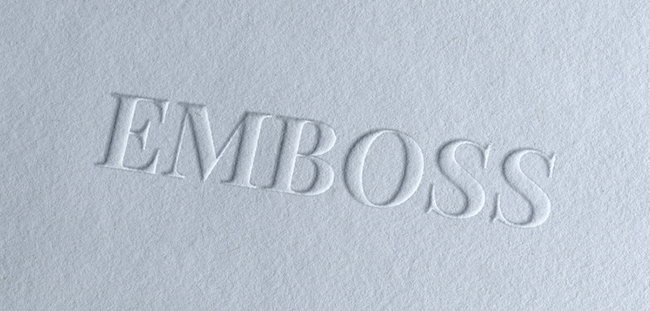
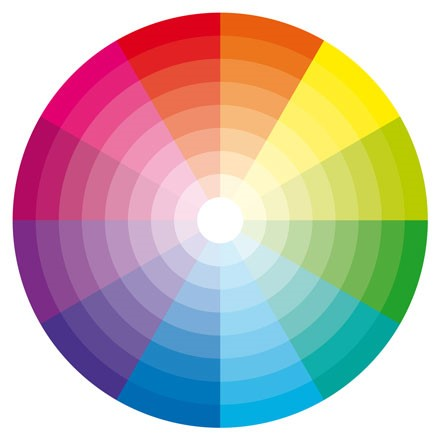
Today, textured paper can be paired with:
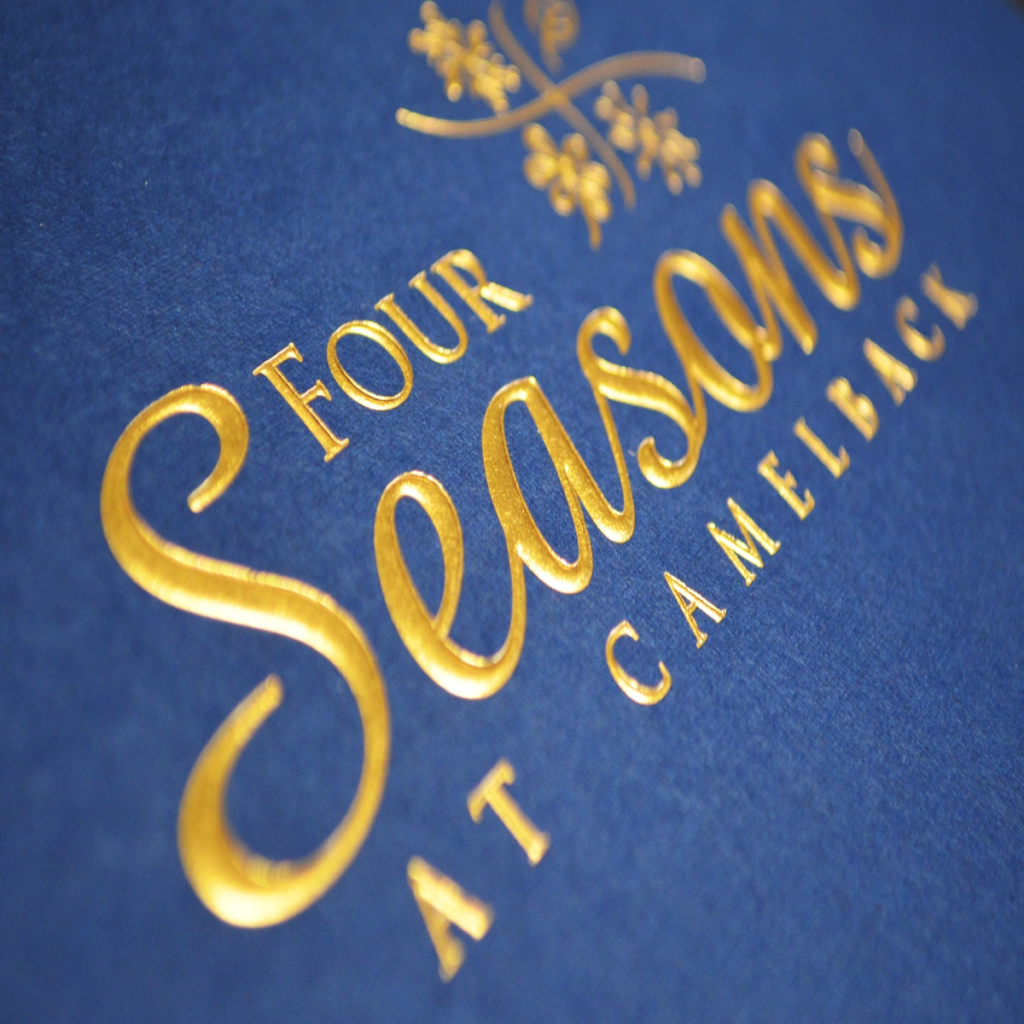
- Foil stamping
- Spot UV
- Embossing
- Custom colors
These techniques don’t compete with texture. They amplify it.
One of my personal favorites:
Linen paper + subtle foil stamping + embossing
Simple. Calm. Extremely effective.
Eco-Friendly Textured Paper Options
Many clients ask me:
“Is textured paper eco-friendly?”
Today, the answer is often yes.
More textured papers are now made from:
- Recycled fibers
- FSC-certified pulp
- Sustainably managed materials
You can create premium packaging and still stay true to environmental values. These two ideas no longer conflict.
At Kexin, we always recommend low-carbon, responsible materials. We’re also working on more sustainability efforts, which I’ll share in future articles.
Choosing the Right Weight and Thickness
Texture is important—but thickness matters too.
For example:
- Postcards usually work well at 300–400g
- Corporate brochures often look best at 110–200g
Too thick can feel heavy and clumsy—like showing off wealth without taste.
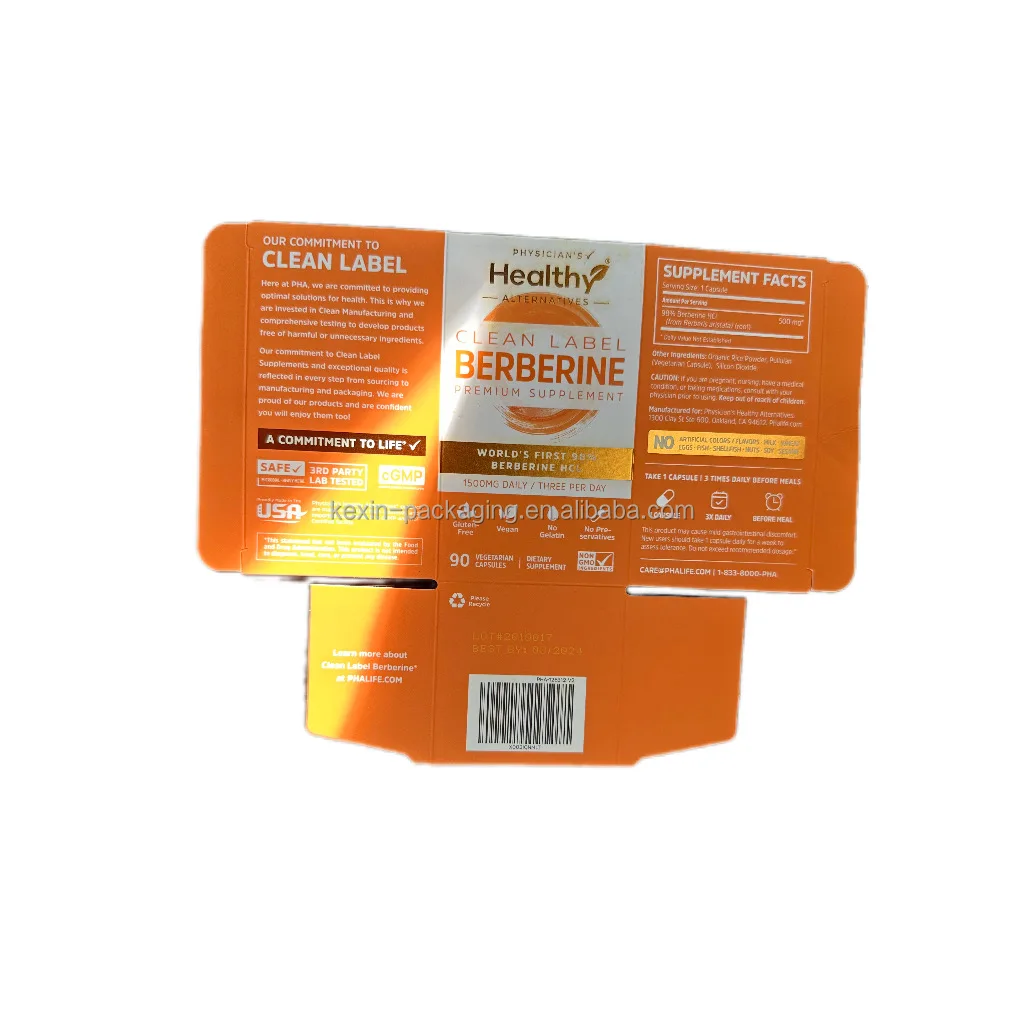
For folding cartons, the range is wider:
- Cardboard folding boxes usually use 250–700g paper
- Most textured papers max out around 300–330g, so thicker results require paper lamination
For rigid boxes, paper weight depends on size and finishing.
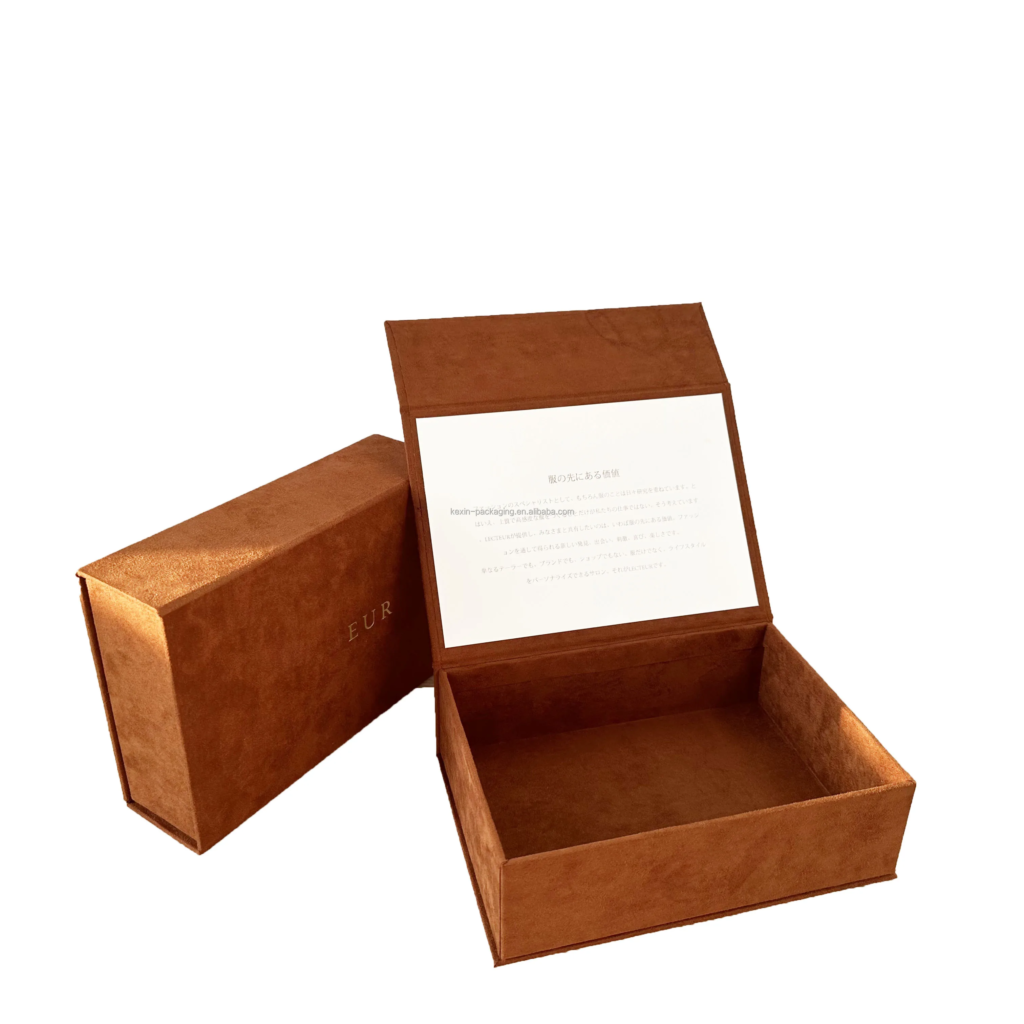
- Large boxes or special effects like embossing often need stronger paper,which usually use 250–700g paper
- Standard rigid boxes,usually 100g-150g is fine, overly thick paper can actually cause problems—harder hand assembly, burst corners, higher cost, and higher risk.
With textured paper, thicker is not better.
Just right is better.
Trends in Textured Paper Packaging
More brands are experimenting with texture than ever.
Current trends I see include:
- Natural textures that emphasize sustainability
- Unconventional surfaces like crinkle or velvet
- Imperfect, honest finishes
These textures quietly express different brand philosophies:
- Natural textures reflect harmony with nature
- Velvet or crinkle suggests softness and rarity
- Imperfect textures communicate sincerity and truth
And there’s still so much waiting to be explored.
How to Maintain the Quality of Textured Paper
To keep textured packaging in good condition:
- Store it in a cool, dry, ventilated space
- Avoid direct sunlight
- Protect it from moisture
Paper fibers are delicate. Extreme conditions—heat, cold, humidity—can damage them quickly.
Some clients ask me:
“What if I must store boxes in extreme environments?”
The answer is simple: it’s manageable.
We can:
- Use acid-free materials
- Choose papers with MSDS testing
- Control humidity during production
- Apply UV sterilization
- Store products in temperature- and humidity-controlled warehouses
With the right approach, textured packaging can survive much longer—even in challenging conditions.
Conclusion
If you want your brand to feel more premium and memorable, textured paper is a quiet but powerful upgrade.
It adds emotion, memory, and value—without needing to say a word.
Get Your Free Quote
Not sure which texture or paper weight fits your product?
Let’s figure it out together.
📩 Email: sandy.liu@kexinpackaging.com
📞 WhatsApp / WeChat: 15817411992
🌐 Website: www.kexinpackaging.com
Kexin Packaging
Turning ordinary materials into meaningful brand experiences.
Get Your Free Quote
Ready to choose the perfect paper weight for your project? Contact Kexin Packaging today for a free consultation. Our team is here to guide you through every step, from material selection to final production, ensuring your brand stands out with high-quality, durable printed materials.
For more information, visit Kexin Packaging or contact us at sandy.liu@kexinpackaging.com. Let us help you bring your brand to life through customized print solutions that resonate with your audience.