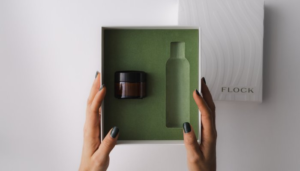
Luxury finishing is not just decoration. From my experience, it is a strategic tool that shapes brand perception, protects products, and directly affects buying decisions—often before customers even touch what’s inside.
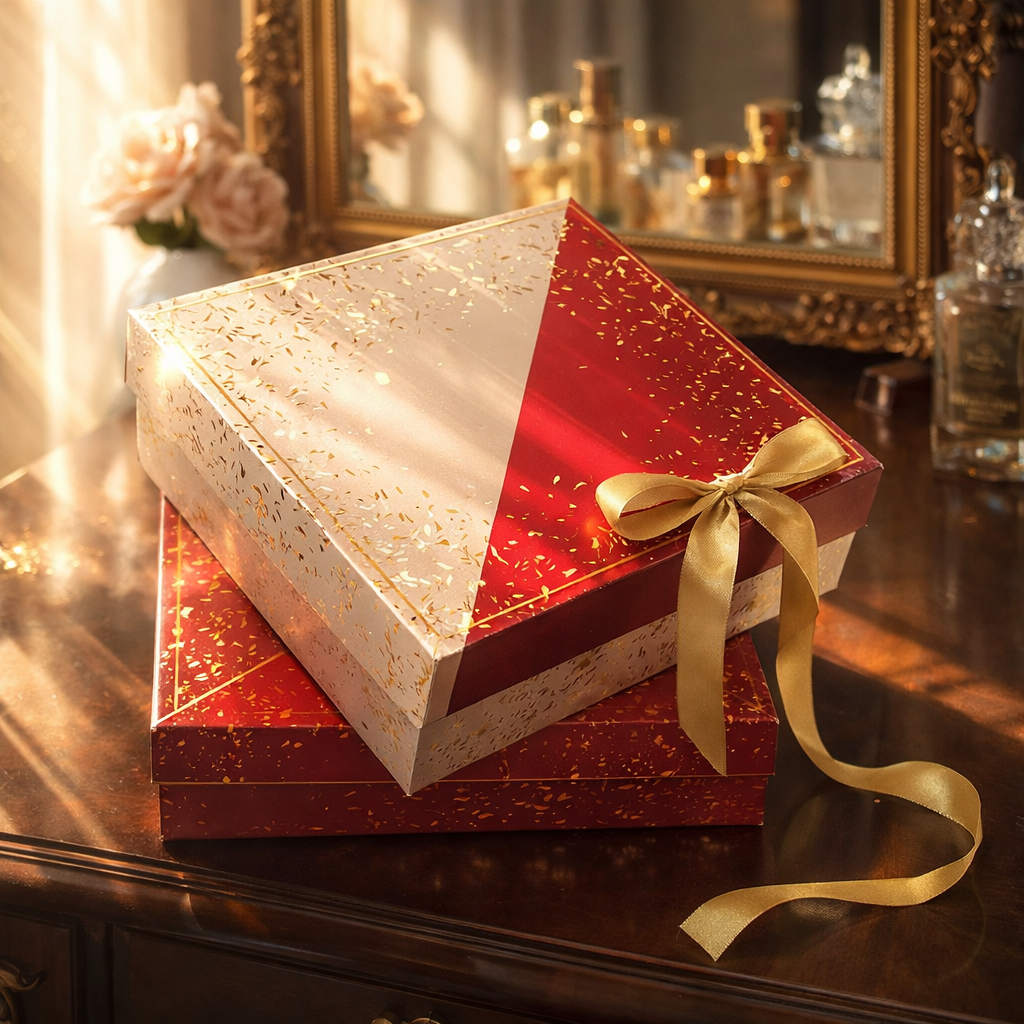
Luxury finishing options like foil stamping, UV coating, embossing, and lamination enhance custom packaging by improving shelf impact, tactile feel, and perceived value. Beyond looks, these techniques influence durability, unboxing experience, production cost, and brand positioning. Choosing the right finish helps brands stand out, justify premium pricing, and protect products during shipping—without unnecessary overspending or overdesign.
Now, let me break down each luxury finishing option clearly, honestly, and from a buyer’s point of view—including costs, risks, and real-world use cases.
What Luxury Finishing Really Adds to Your Packaging (Beyond Looks)
Many brands think luxury finishing is only about appearance. I see it differently—it’s about trust, touch, and long-term brand memory.
Luxury finishing adds perceived value, tactile differentiation, brand authority, and physical protection to packaging. It helps products command higher prices, improves unboxing satisfaction, and reinforces brand identity across retail, e-commerce, and gifting scenarios.
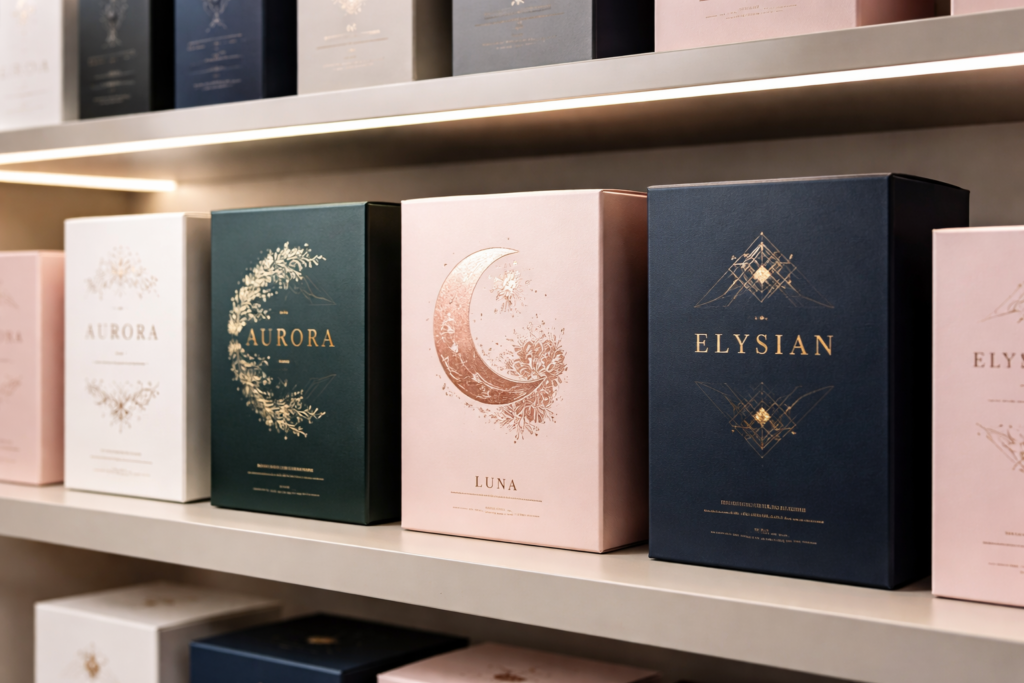
Luxury finishing affects how customers judge your product before they ever use it.
When buyers see precise foil stamping, controlled spot UV, or refined embossing, they subconsciously associate the packaging with quality manufacturing and attention to detail. This is especially important in competitive retail environments where customers compare products in seconds.
From a functional perspective, finishes such as lamination and UV coating also protect printed packaging from scratches, moisture, and fingerprint marks. This reduces damage during transit and lowers the risk of returns or complaints.
I often remind clients that luxury finishing is part of product display, not a decorative extra. When done correctly, it strengthens brand design, increases shelf confidence, and supports premium pricing strategies.
Insert topic-related video
Foil Stamping: When Is It Worth the Extra Cost for Your Brand?
Foil stamping is powerful—but it is not always necessary. Knowing when to use it saves money and improves impact.
Foil stamping is worth the cost when brands need strong visual contrast, premium positioning, or logo emphasis. It works best for limited editions, luxury gift boxes, cosmetics, and high-end retail packaging.

Foil stamping applies metallic or pigmented foil onto paper boxes using heat or pressure. Gold, silver, black, and holographic foils are the most popular choices.
It becomes a smart investment when your logo must stand out instantly, when your product competes in premium retail environments, or when your brand pricing already supports higher perceived value.
However, foil stamping also adds tooling cost and setup time. For small MOQ orders, it may not be the most efficient choice unless the brand story truly requires a luxury statement. In many cases, controlled UV or embossing can deliver similar impact at a lower cost.
Hot Foil vs. Cold Foil: Which One Fits Your Product Better?
Not all foil finishing is the same. The production method directly affects cost, appearance, and lead time.
Hot foil delivers thicker metallic effects and sharper edges, while cold foil supports faster production and more detailed patterns. The right choice depends on budget, design complexity, and order volume.
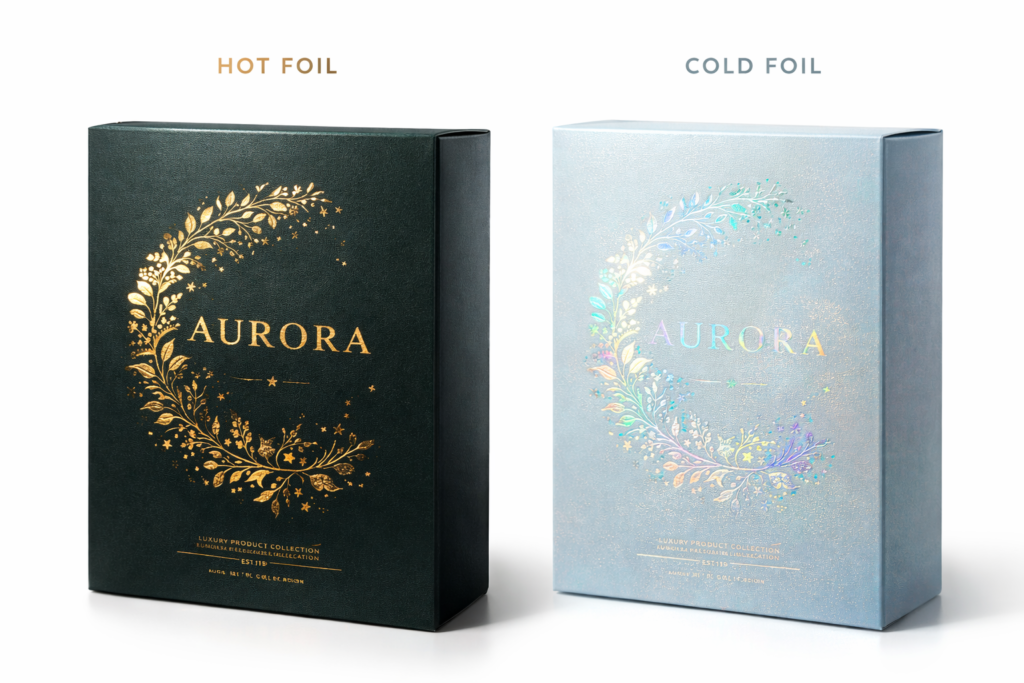
| Feature | Hot Foil | Cold Foil |
|---|---|---|
| Finish thickness | Thicker, more premium | Thinner |
| Detail level | High | Very high |
| Cost | Higher | Lower |
| Production speed | Slower | Faster |
| MOQ flexibility | Lower | Higher |
Hot foil is ideal for luxury gift boxes, rigid boxes, and high-end custom packaging. Cold foil works better for brochures, paper bags, and large-volume printed packaging where efficiency matters.
UV Coating Explained: Spot UV or Full UV—How to Choose Correctly
UV coating looks simple, but choosing incorrectly can weaken the overall design.
Spot UV highlights specific elements like logos or icons, while full UV coats the entire surface for protection. The correct choice depends on visual hierarchy and durability needs.
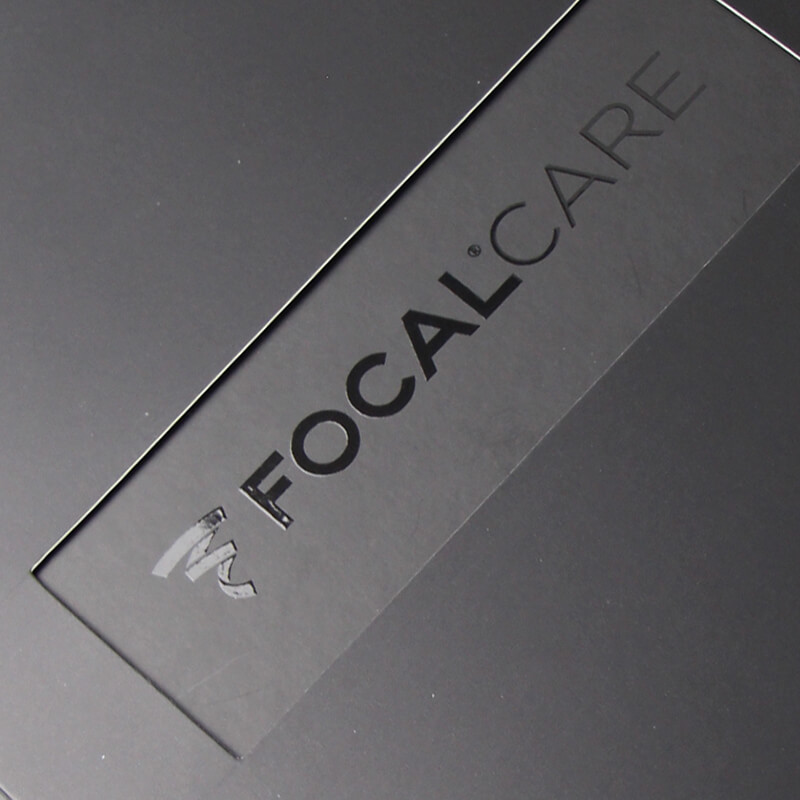
Spot UV draws attention to selected areas and works especially well on matte laminated surfaces. Full UV improves scratch resistance and moisture protection, making it suitable for transit-heavy packaging.
For brand-conscious importers, I usually recommend spot UV combined with matte lamination. This contrast creates a controlled luxury feel without overwhelming the design.
A common mistake is applying UV everywhere. This removes focus and often makes the packaging look less premium rather than more.
Common Mistakes Brands Make with UV Finishing (and How to Avoid Them)
UV finishing is easy to overuse, and that is where brands lose value.
Typical UV mistakes include over-application, misalignment, and ignoring paper compatibility. Clear planning and proper sampling help prevent these issues.
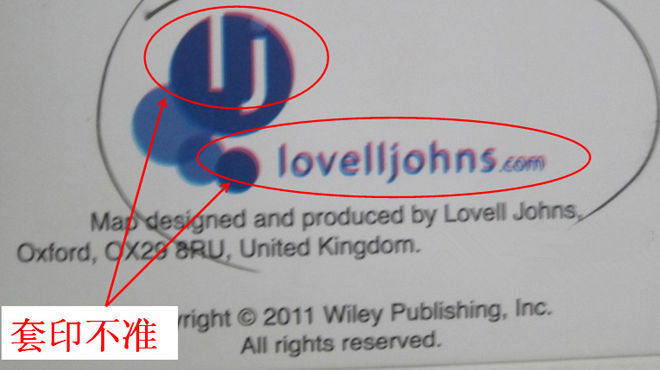
The most common problems I see include using spot UV on textured paper, placing UV too close to folds, and skipping lighting tests under real retail conditions.
Always confirm UV placement in the dieline and request pre-production samples before mass production.
Embossing vs. Debossing: Which Creates a Stronger Brand Impact?
Texture creates memory, and embossing techniques influence how a brand feels in hand.
Embossing raises elements for tactile emphasis, while debossing presses designs inward for subtle sophistication. The right choice depends on brand personality and positioning.
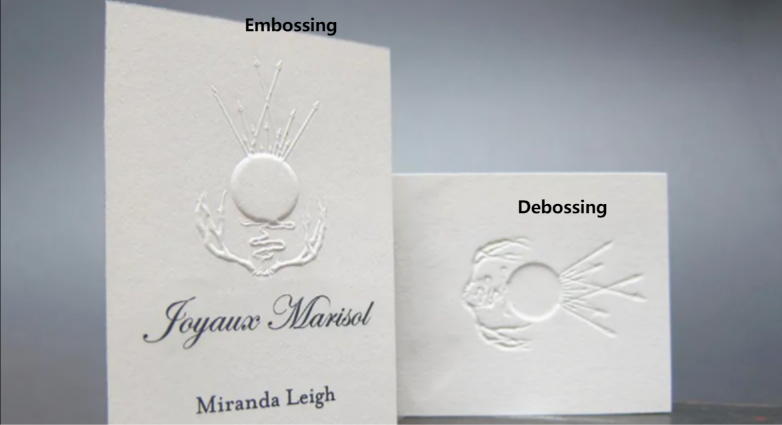
Embossing feels bold and confident. Debossing feels quiet, refined, and understated.
Luxury fashion brands often prefer debossing. Premium electronics, cosmetics, and gift boxes tend to use embossing, sometimes combined with foil stamping for stronger impact.
How Embossing Affects Box Strength and Shipping Safety
Many buyers worry that embossing weakens box structure. This is only partially true.
Embossing slightly alters paper structure but does not compromise box strength when designed correctly and paired with appropriate paper thickness.
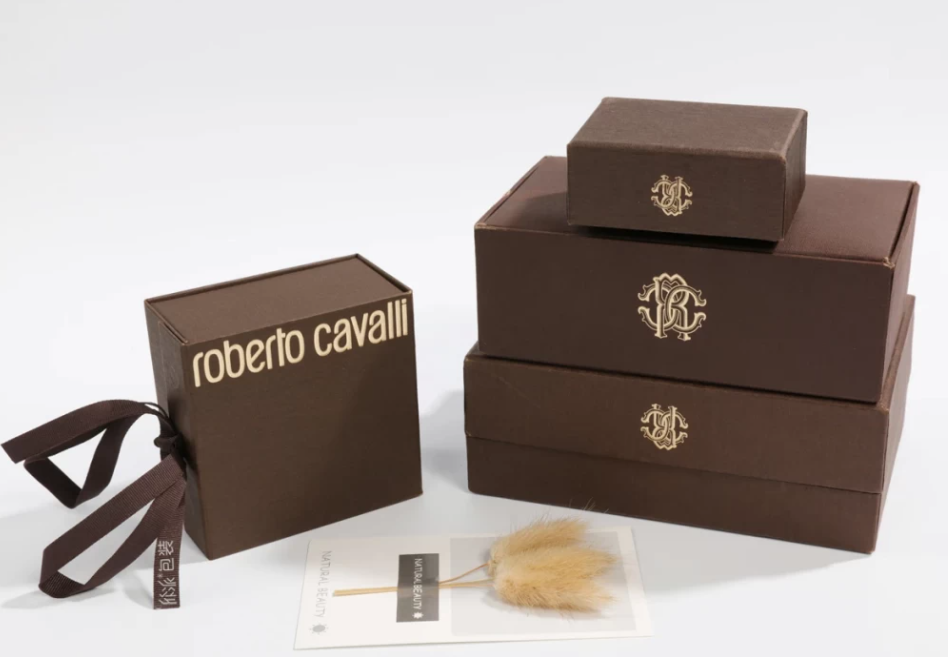
Using suitable board weight and avoiding embossing on fold lines ensures the box remains strong enough for shipping and handling.
Lamination Types Compared: Matte, Gloss, Soft-Touch—What Sells More?
Lamination quietly determines how “expensive” your packaging feels.
Matte lamination feels modern, gloss lamination highlights color vibrancy, and soft-touch lamination delivers the strongest luxury perception through texture.
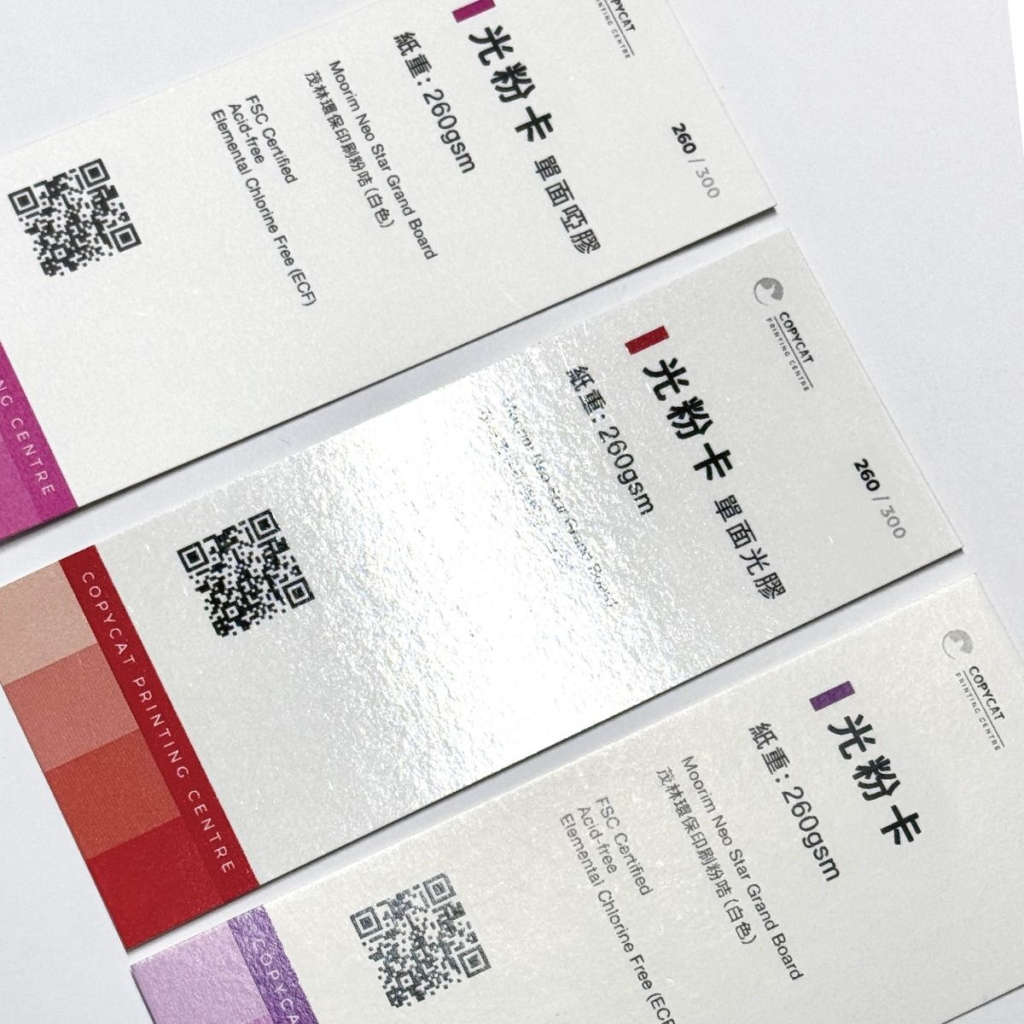
| Lamination Type | Best Use Case | Touch Feel |
|---|---|---|
| Gloss | Color-heavy designs | Shiny |
| Matte | Premium retail packaging | Smooth |
| Soft-touch | Luxury brands | Velvet-like |
Soft-touch lamination works especially well when combined with spot UV or embossing.
Soft-Touch Lamination: Is It Luxury or Just a Trend?
Soft-touch lamination is not a gimmick when used correctly.
Soft-touch lamination enhances tactile engagement and emotional connection, making it ideal for premium packaging when durability requirements are properly considered.
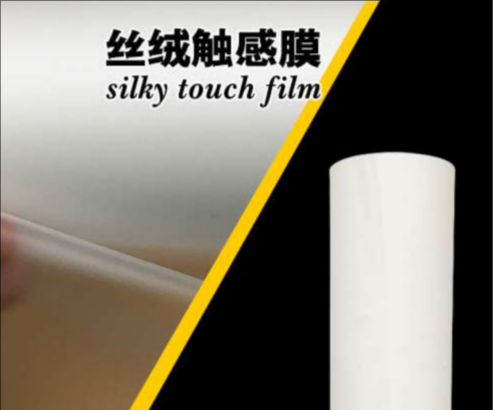
It feels luxurious but is more prone to scratching. I usually recommend adding spot UV or careful handling instructions to maintain appearance during transit.
How Finishing Options Influence Customer Unboxing Experience
Unboxing is a brand moment, not packaging waste.
Luxury finishing elevates unboxing through tactile contrast, visual sequencing, and emotional engagement that encourages social sharing and brand recall.
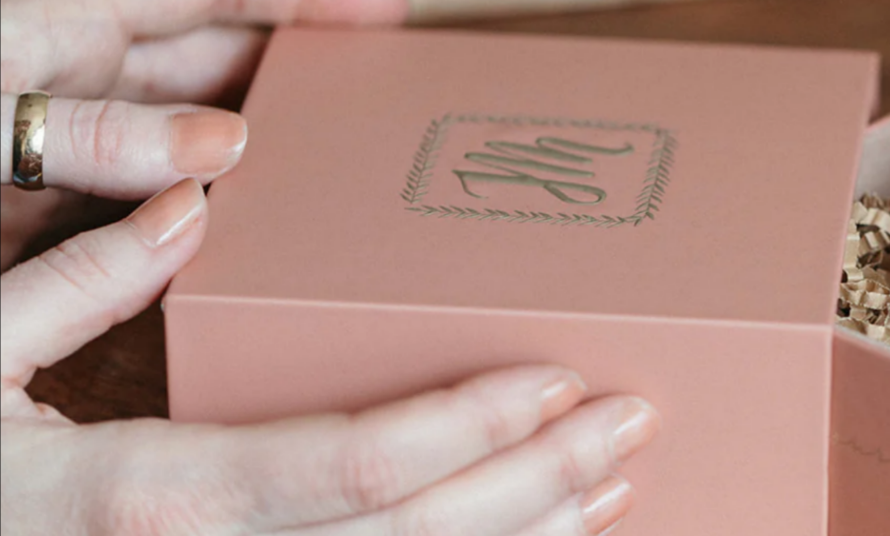
Texture changes, visual highlights, and controlled reveals all contribute to a memorable unboxing experience that strengthens customer loyalty.
Insert topic-related video
Cost Breakdown: How Each Finishing Option Impacts Your Unit Price
Cost clarity helps brands avoid regret after production.
Foil stamping, UV coating, embossing, and lamination each add different cost layers depending on tooling, setup, and MOQ. Smart combinations keep budgets under control.
Finishing costs are influenced by order volume, design complexity, and production speed. I often suggest choosing one “hero finish” rather than combining multiple average ones.
Checklist: Choosing the Right Luxury Finish for Your Custom Packaging
This checklist helps buyers make faster and smarter decisions.
The right luxury finish balances brand image, cost, durability, MOQ, and production lead time. Clear priorities reduce mistakes and redesigns.
✔ Brand positioning defined
✔ Budget range confirmed
✔ Shipping conditions reviewed
✔ Pre-production sample approved
✔ Lead time aligned
Conclusion
Luxury finishing is not about using every option available. It is about choosing the finishes that truly support your brand story, protect your product, and elevate the customer experience.
And more…
We would love to assist you. If there’s more we can do for you, please feel free to contact us:
Email: sandy.liu@kexinpackaging.com
Phone: 15817411992
Brand Name: Kexin
Slogan: Your Vision, Our Craft
Website: www.kexinpackaging.com
At Kexin Printing & Packaging, our mission is to bring brands to life through premium, customized packaging solutions that combine creativity, quality, and reliability.