I get this question almost every week: “How many custom boxes do I really need to order?”
Let’s talk about MOQ—honestly, simply, and without factory jargon.
MOQ, or Minimum Order Quantity, is the smallest number of custom boxes a factory can reasonably produce in one run.
It’s not a trap, not a sales trick, and definitely not meant to scare small brands away. MOQ exists because machines, materials, and people all have real startup costs. Once you understand that logic, MOQ becomes a planning tool—not a barrier.
Before we go deeper, let me break it down step by step, just like I would over coffee with a new client.
What Does MOQ Mean in Custom Packaging?
MOQ sounds technical, but the idea is simple.
MOQ is the minimum number of boxes needed to start production efficiently and consistently.
It ensures your custom packaging can be made with stable quality, reasonable cost, and proper scheduling.

When I first entered packaging over 20 years ago, I also thought MOQ was just a number factories “decided.”
But after standing next to printing machines at midnight, watching materials being set up and discarded, I understood the real reason.
Why MOQ exists in real life
Every custom box is custom—size, artwork, structure, finish.
That means before production even starts, we already invest time and materials.
Here’s what usually happens behind the scenes:
- Printing plates are created specifically for your design
- Machines are adjusted for your box size
- Paperboard is cut, tested, and calibrated
- QC checks happen before mass production
Even if we only produce 100 boxes, most of that preparation work is the same as producing 10,000.
That’s why MOQ is about efficiency, not pressure.
Why Do Packaging Factories Set a Minimum Order Quantity?
From the outside, MOQ feels like a rule.
From the factory floor, it’s a survival mechanism.
Factories set MOQ to balance cost, quality, and production stability.
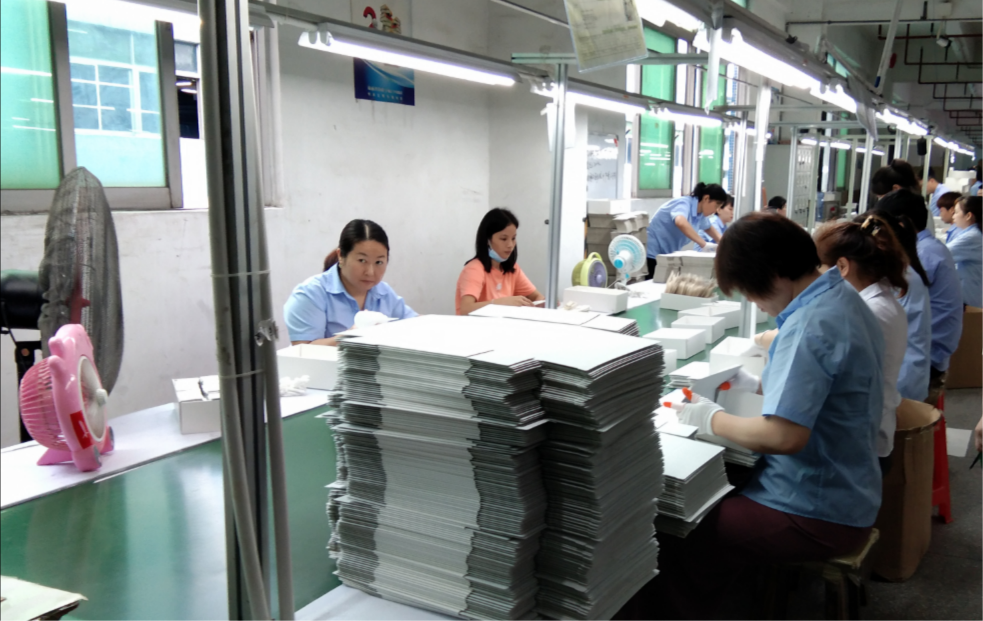
Let me be very honest here—this isn’t about “we want bigger orders.”
It’s about avoiding waste, chaos, and unstable quality.
The factory perspective (not the sales version)
In a real production environment:
- Machines don’t like frequent stops
- Skilled workers need predictable workflows
- Raw materials come in fixed sheet sizes
- Too-small orders increase error rates
If we accepted unlimited tiny orders, three things would happen fast:
- Prices would rise for everyone
- Quality would become inconsistent
- Lead times would explode
MOQ helps keep the whole system healthy—for you and for us.
Is MOQ About Cost, Machinery, or Materials? What Are the Real Reasons?
Short answer?
All of them—at the same time.
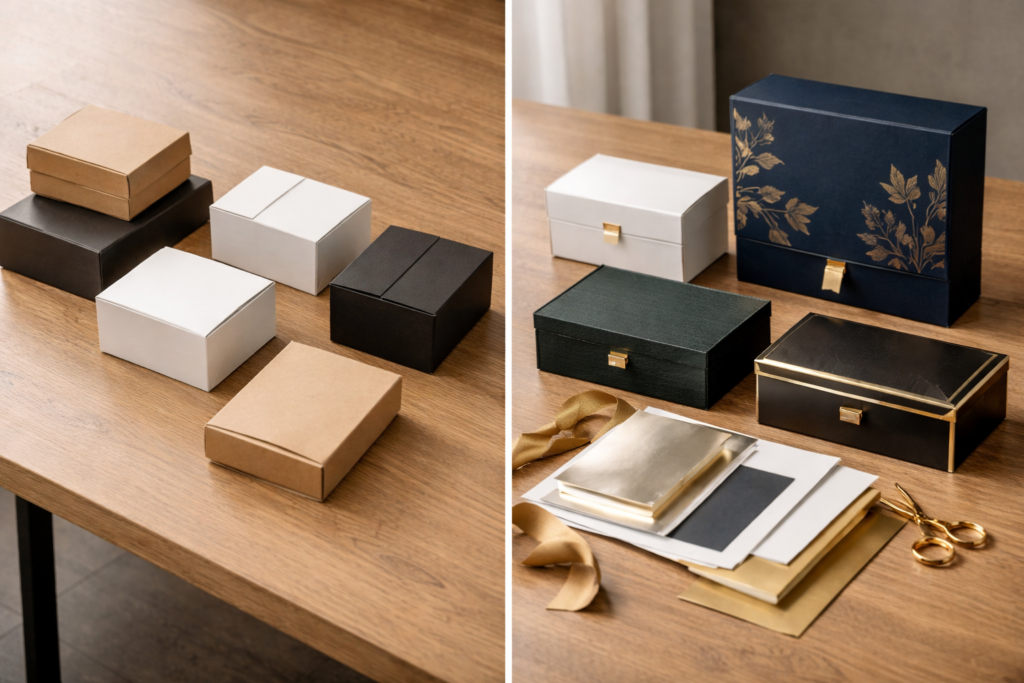
MOQ isn’t driven by one single factor. It’s a mix of very practical constraints.
1. Machine setup cost
Every print run needs setup time.
Even before the first good box comes out, we may already discard dozens of sheets.
2. Tooling and molds
For certain box structures, especially rigid gift boxes, molds and die-cut tools are required.
These tools don’t care if you order 300 or 3,000—they cost the same to make.
3. Labor and handling
Custom packaging involves hand work:
- Gluing
- Folding
- Inspection
- Packing
Small quantities still require full labor steps.
4. Material loss
Paper, board, foil, and coating all have minimum usage thresholds.
Below that, waste becomes unavoidable.
MOQ exists to absorb these realities—not to hide them.
What Is the Typical MOQ for Different Types of Custom Boxes?
This is one of the most practical questions, so let’s be clear.
MOQ changes based on box structure and production method.
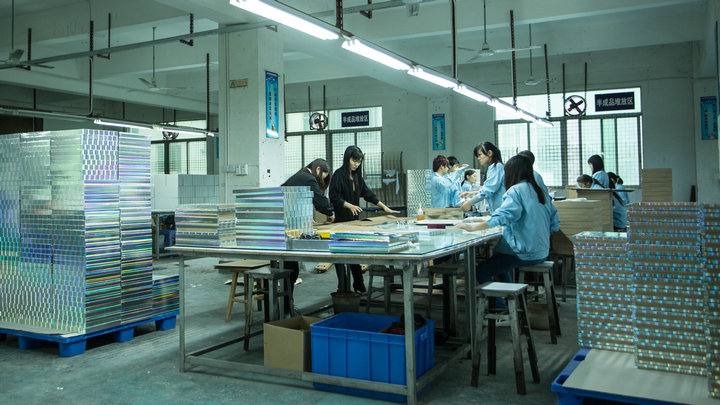
Here’s a simple reference based on what we produce at Kexin:
| Box Type | Typical MOQ Range |
|---|---|
| Rigid Gift Boxes | 500–1,000 pcs |
| Folding Carton Boxes | 1,000 pcs |
| Corrugated Boxes | 500–1,000 pcs |
Why these numbers make sense
- Rigid gift boxes involve manual assembly and structure molds
- Folding cartons rely heavily on printing efficiency
- Corrugated boxes depend on flute setup and board sourcing
We can go lower in some cases—but there are trade-offs, which we’ll talk about soon.
How Do Box Structure and Finishing Affect MOQ?
This is where MOQ really starts to change.
The more complex the box and finishing, the higher the MOQ tends to be.
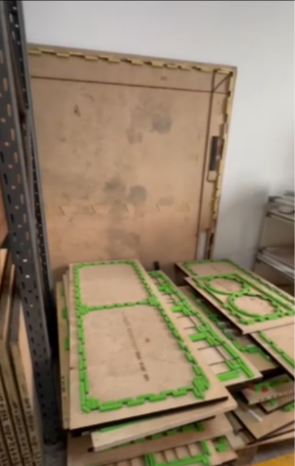
Think of packaging like cooking.
A simple sandwich? Easy.
A seven-layer cake with gold leaf? Different story.
Elements that push MOQ higher
- Magnetic closures
- Drawer-style structures
- Foil stamping
- Spot UV
- Embossing or debossing
- Special papers or textures
Each added element increases setup steps, testing time, and material loss.
That doesn’t mean you shouldn’t use them.
It just means MOQ should be planned alongside design—not after.
Can You Order Below MOQ? What Options Do You Really Have?
Yes. Sometimes. But let’s be realistic.
Ordering below MOQ is possible—but it always comes with compromise.
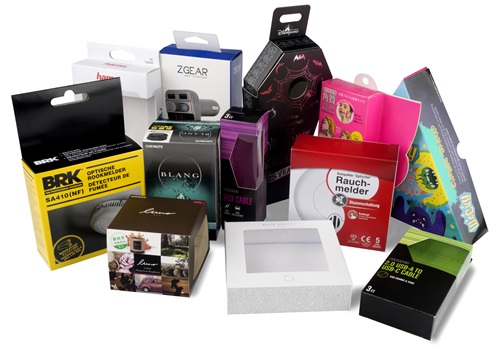
Here are the real options I usually discuss with clients:
Option 1: Digital printing
Good for:
- Early-stage brands
- Market testing
- Short campaigns
Limitations:
- Higher unit price
- Fewer finishing options
Option 2: Simplify structure or finishing
Remove one complex element, and MOQ often drops significantly.
Option 3: Shared materials
Using standard paper stocks instead of custom-sourced ones can help.
There’s no magic trick—but there is smart planning.
Why Does MOQ Affect Unit Price So Much?
This part frustrates many buyers, so let me explain it plainly.
Fewer boxes cost more per piece because fixed costs don’t disappear.
Imagine renting a kitchen for one night.
- Rent: same
- Electricity: same
- Staff: same
Whether you cook 10 meals or 1,000 meals, the base cost stays.
Packaging works the same way.
When quantity increases:
- Setup cost is spread thinner
- Material waste percentage drops
- Labor becomes more efficient
That’s why bulk orders feel “cheaper”—they’re just more efficient.
Small Batch or Bulk Orders: Which Fits Your Business Stage?
This isn’t about pushing you to buy more.
It’s about matching packaging strategy with business reality.
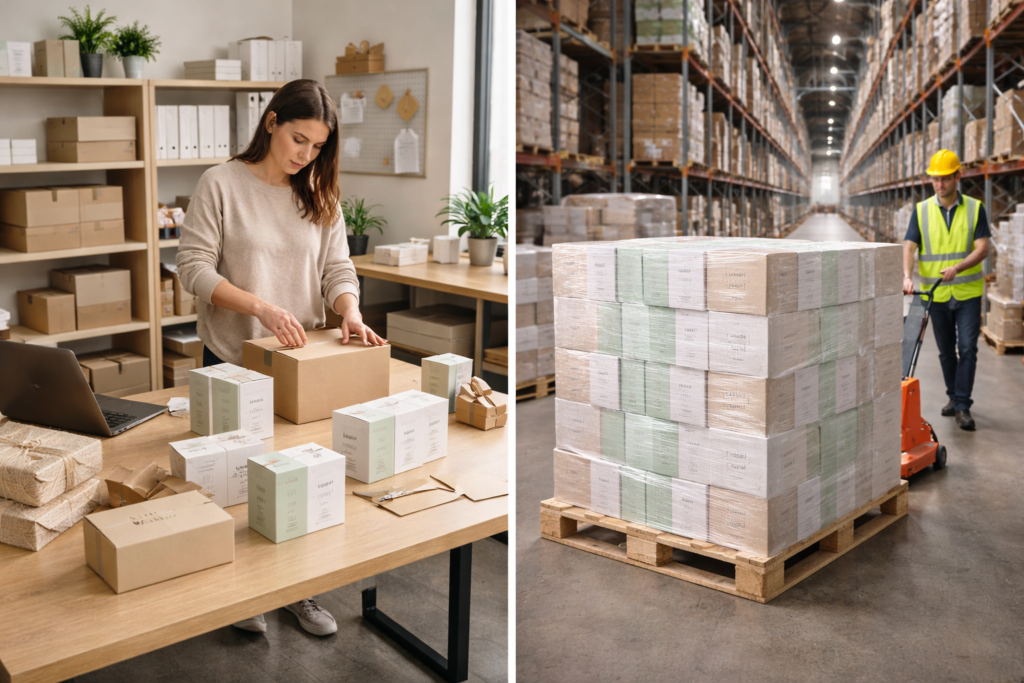
Small batch makes sense if:
- You’re testing a new product
- Cash flow is tight
- Design may change soon
Bulk orders make sense if:
- Sales are stable
- Branding is finalized
- You want cost consistency
I’ve seen brands grow faster by starting small, then scaling confidently.
How Can You Optimize MOQ Without Losing Quality?
This is my favorite part—because it puts control back in your hands.
MOQ can be optimized with smarter design and planning.

Here’s what usually works best:
- Design packaging and MOQ together
- Ask which finishes truly add value
- Use standard materials where possible
- Plan for future reorders, not just first launch
MOQ isn’t something to fight.
It’s something to use.
Conclusion
MOQ isn’t a wall—it’s a map.
Once you read it correctly, packaging decisions become much clearer.