I get this question almost every week: why do custom packaging boxes cost what they cost?
The short answer—many small details quietly add up.
Custom packaging box cost is shaped by structure, size, materials, printing, finishing, quantity, and time.
Each choice you make—paper thickness, box style, color method, or even delivery speed—pushes the final price up or down.
Before we talk numbers, let me walk you through the real cost drivers, the same way I explain them to my long-term clients.
How do box structure, size, and design complexity affect cost?
When I first started in packaging, I thought “a box is just a box.” I learned fast—that’s never true.
More complex structures, tighter dimensions, and special opening styles increase tooling, labor, and error risk—raising total cost.
A simple foldable carton is like a T-shirt: easy, fast, repeatable.
A rigid box with drawers, magnets, or display angles? That’s more like a tailored suit.
Structure & size details that matter
- Overall box size (bigger = more material)
- Precise dimensions (tight tolerance costs more)
- Box style: rigid, foldable, drawer, display
- Structural accuracy requirements
Even a 2mm tolerance change can affect:
- Die-cut accuracy
- Insert fitting
- Assembly speed
I once had a European client redesign a box three times—not for looks, but because the product kept shifting inside. Each revision meant new tools, new tests, and extra cost.
| Factor | Cost Impact |
|---|---|
| Simple folding box | Low |
| Drawer / magnetic box | Medium–High |
| Display or custom structure | High |
How do materials and paper thickness change the price?
Material choice is one of the biggest cost levers—and also where many buyers get confused.
Paper type, board grade, and thickness directly affect material cost, strength, and shipping weight.
Here’s how I usually explain it over coffee:
- Paperboard = light, affordable, flexible
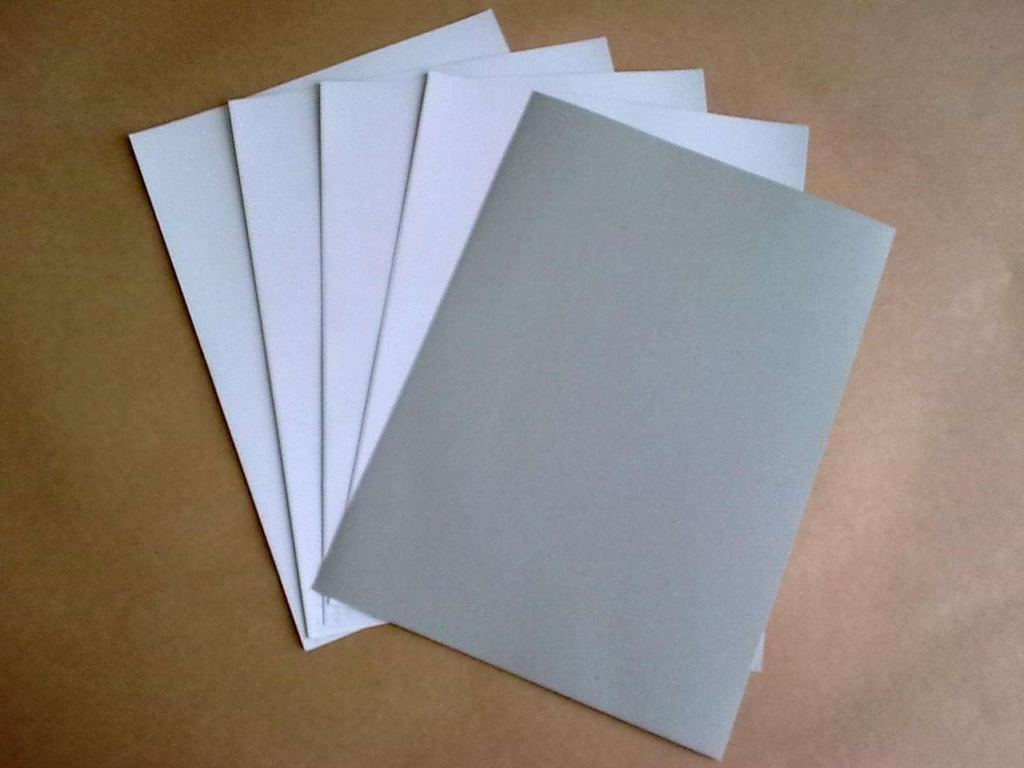
- Greyboard = strong, premium feel
- Corrugated board = protection-focused, shipping-friendly
Then comes thickness and grade. A thicker board:
- Uses more raw material
- Takes longer to cut
- Needs stronger glue and pressure
| Material | Best For | Cost Level |
|---|---|---|
| Paperboard | Retail boxes | Low |
| Greyboard | Luxury gift boxes | Medium–High |
| Corrugated | Shipping & protection | Medium |
Sometimes clients ask, “Can we go thinner to save money?”
Yes—but only if product safety allows it. Saving cents today shouldn’t risk returns tomorrow.
How do printing methods, colors, and finishes affect pricing?
Printing looks simple on screen. On paper? That’s another story.
Printing cost depends on color method, ink coverage, and surface finishing choices.
Printing methods
- CMYK: best for photos, lower cost
- Pantone: precise brand colors, higher cost
More colors = more plates, more setup, more ink.
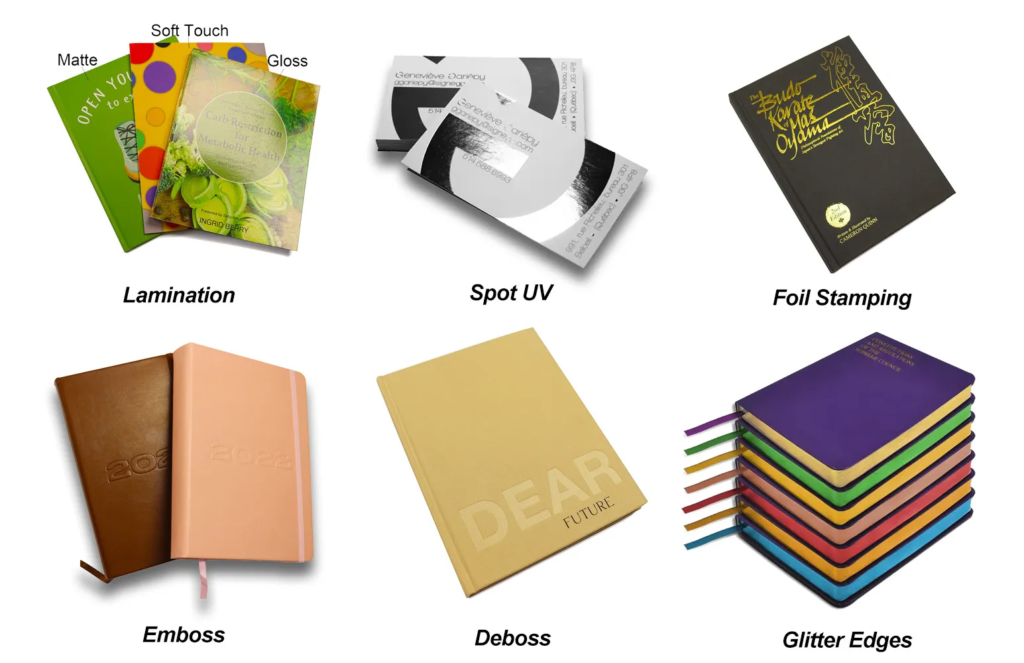
Then comes surface finishing:
- Gloss or matte lamination
- Aqueous or UV coating
- Soft-touch film
And special processes:
- Foil stamping
- Spot UV
- Embossing / debossing
Each process is beautiful—but also adds steps, tools, and manual checks.
I always ask clients one honest question:
Does this finish help your brand story—or just look expensive?
How do inserts, accessories, and handwork raise costs?
This is where packaging turns emotional—and expensive.
Custom inserts, accessories, and manual assembly increase material cost and labor time.
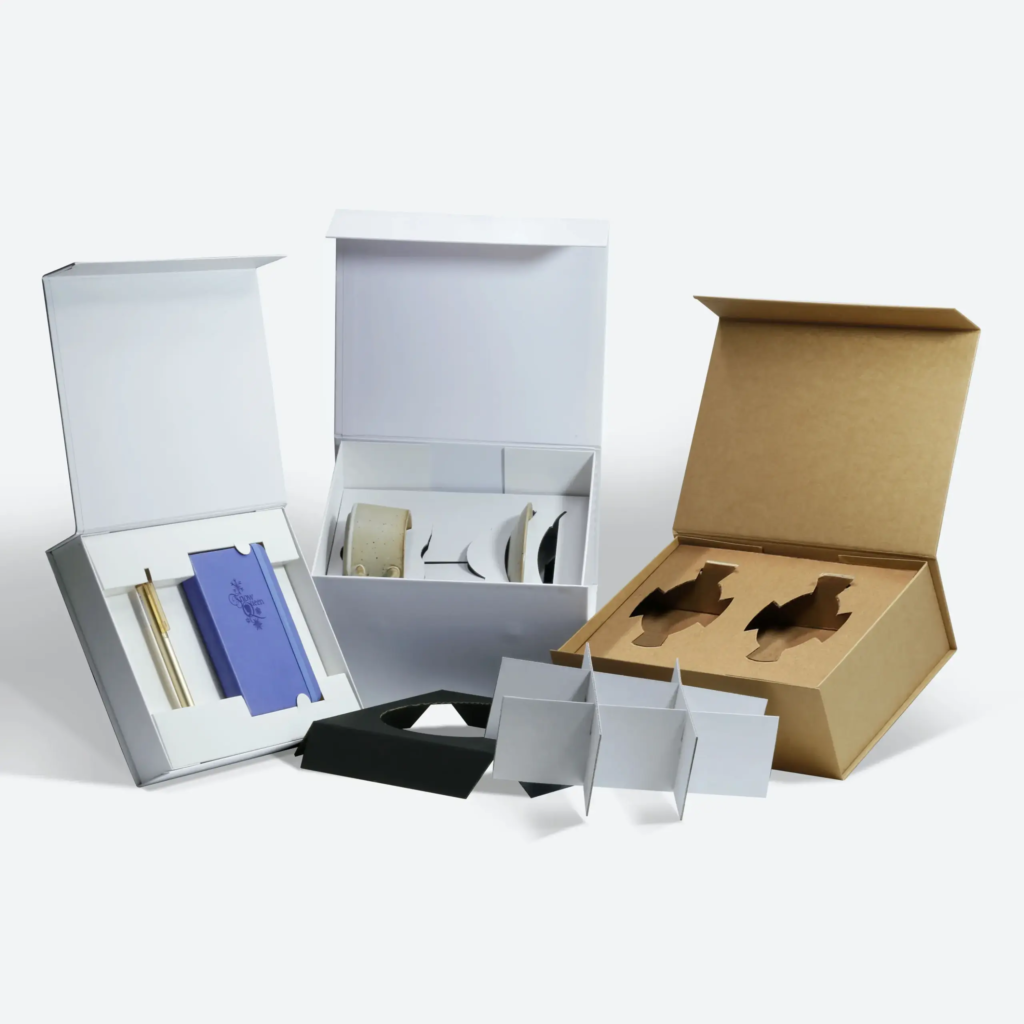
Common add-ons include:
- EVA or paper inserts
- Foam or molded trays
- Magnets, ribbons, handles
- Metal or plastic hardware
And here’s the key point many buyers miss:
Machines are cheap. Hands are not.
Manual work includes:
- Hand-gluing
- Insert placement
- Magnet alignment
- Final box shaping
The more human touch required, the higher the cost—and the higher the risk if QC is weak.
How do order quantity, sampling, and tooling affect unit price?
This part hurts small orders, but rewards planners.
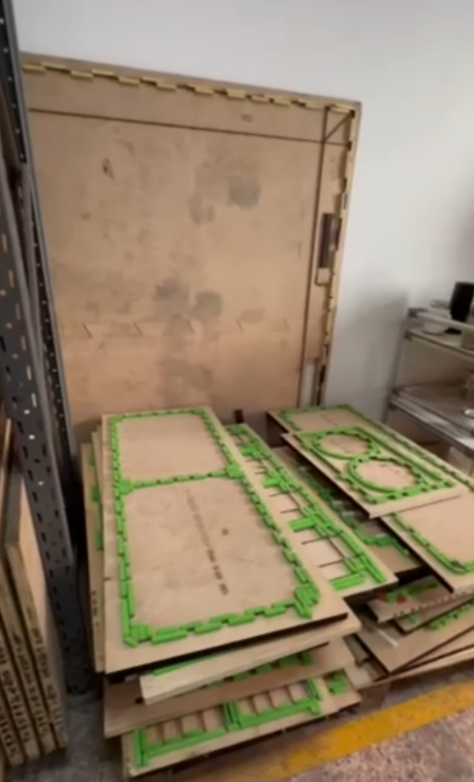
Higher order quantity lowers unit cost by spreading tooling, setup, and sampling expenses.
Key cost elements:
- Die-cut tools & molds
- Sampling (white or color samples)
- Pre-production proofing
| Quantity | Unit Cost Trend |
|---|---|
| 100–500 | High |
| 1,000–3,000 | Medium |
| 5,000+ | Lower |
That’s why I often suggest:
- Start small for testing
- Scale once design is stable
Changing designs mid-way is far more expensive than waiting one extra week to confirm details.
How do lead time, QC standards, and compliance requirements influence cost?
Last—but very important.
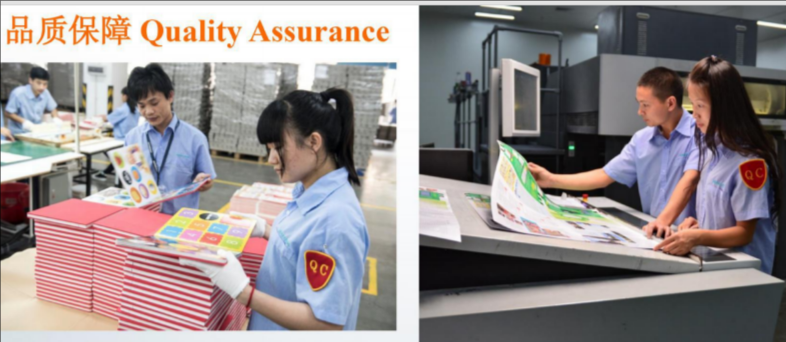
Urgent timelines, strict QC, and compliance certifications all increase production cost.
Cost-driving factors include:
- Rush production
- Overtime labor
- Extra inspections
- ROHS / REACH compliance
- Special material certifications
- NDA-required workflows
At Kexin, we use:
- Multi-step QC checks
- Ozone sterilization (when needed)
- Documentation for compliance-heavy clients
Fast, cheap, perfect—you can only choose two.
I always help clients decide which two matter most.
Conclusion
Custom packaging cost isn’t random.
It’s simply the sum of every choice you make—big and small.