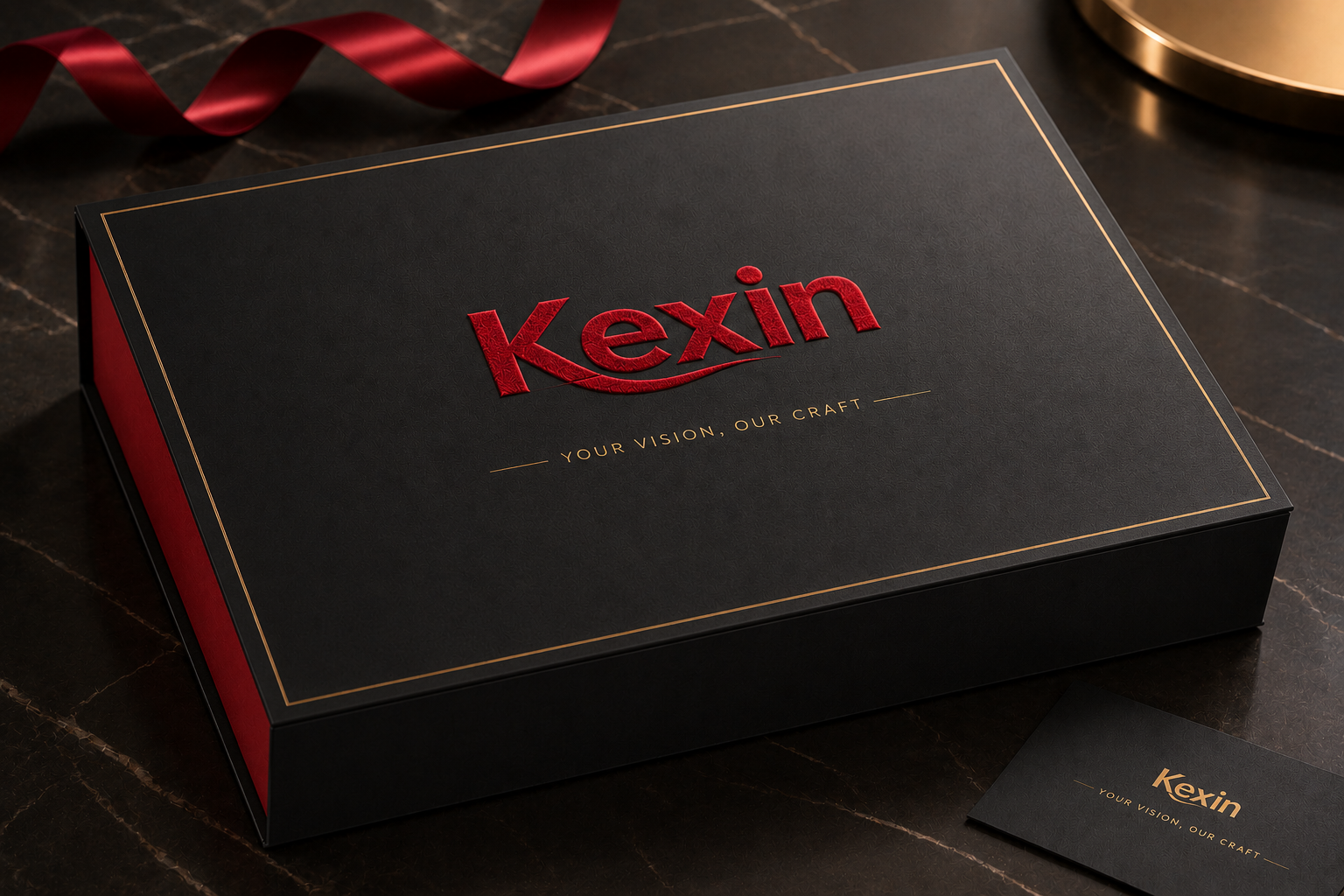
Many luxury boxes look expensive before you even touch them. In most cases, the secret is flocking. But is it always the right choice? Let’s find out.
Flocking is a finishing process that applies tiny fibers onto a glued surface using electrostatic technology, creating a soft velvet-like texture. It improves product presentation, protects delicate items, and is widely used for perfume, jewelry, cosmetics, and premium gift packaging. Choosing the right fiber, adhesive, and production method is the key to achieving a durable and luxurious result.
Not every product needs flocking, but for the right products, it can completely change how customers feel about your brand.
What Is Flocking in Packaging?
Flocking sounds complicated, but the idea is surprisingly simple.
Flocking is a decorative finishing process where millions of tiny fibers are attached vertically to a surface with adhesive and electrostatic force, creating a velvet-like texture. It adds luxury, improves protection, and enhances the customer unboxing experience.
When people first hear the word “flocking,” many imagine fabric. In reality, it is a surface finishing technique that can be applied to paper boxes, plastic trays, rigid boxes, cosmetic packaging, jewelry boxes, wine packaging, and many other products.
The process begins by applying adhesive to selected areas of the packaging. Tiny fibers, usually made from rayon, nylon, or polyester, are then electrically charged. Instead of falling randomly, the fibers stand upright and attach evenly to the glued surface.
This upright arrangement is what creates the smooth velvet touch.
Unlike printing or foil stamping that mainly changes appearance, flocking changes both appearance and touch.
Customers don’t just see premium packaging.
They feel it.
For luxury products, that emotional response often matters more than another printed decoration.
In fact, packaging with partial flocking is quite rare in China, and there are only a few factories that can do this process. Since it’s a specialty, we often recommend it to clients who want a luxury effect—and they usually love it. The sales results have been excellent.
Why Do Luxury Brands Choose Flocking?
Many buyers think flocking is only about appearance. That’s only half of the story.
Luxury brands choose flocking because it combines premium appearance, soft protection, and stronger emotional appeal during unboxing, helping products feel more valuable without changing the product itself.
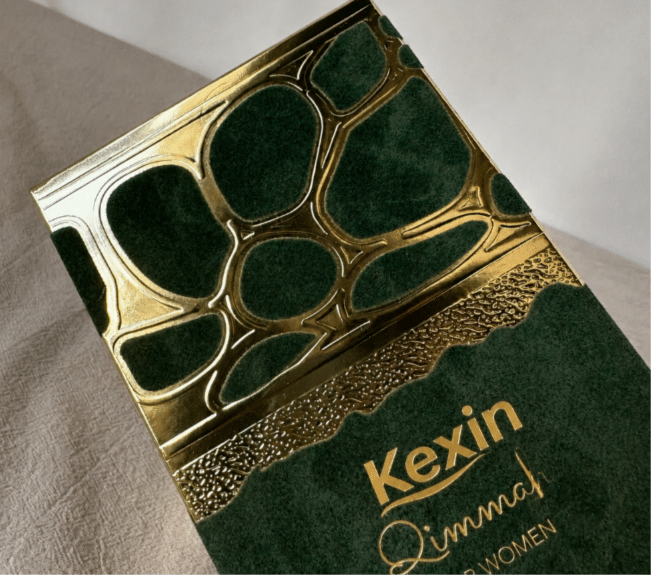
More than ever, packaging has become part of the product experience.
A perfume bottle placed inside a flocked insert immediately feels more premium than the same bottle sitting inside plain cardboard.
A jewelry box becomes something customers want to keep instead of throw away.
A watch feels more expensive simply because of the soft texture surrounding it.
This is psychology.
People naturally associate soft textures with luxury.
| Benefit | Business Value |
|---|---|
| Soft touch | Better customer experience |
| Premium appearance | Higher perceived product value |
| Surface protection | Fewer scratches during transport |
| Better presentation | Stronger brand image |
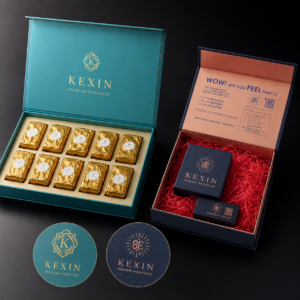
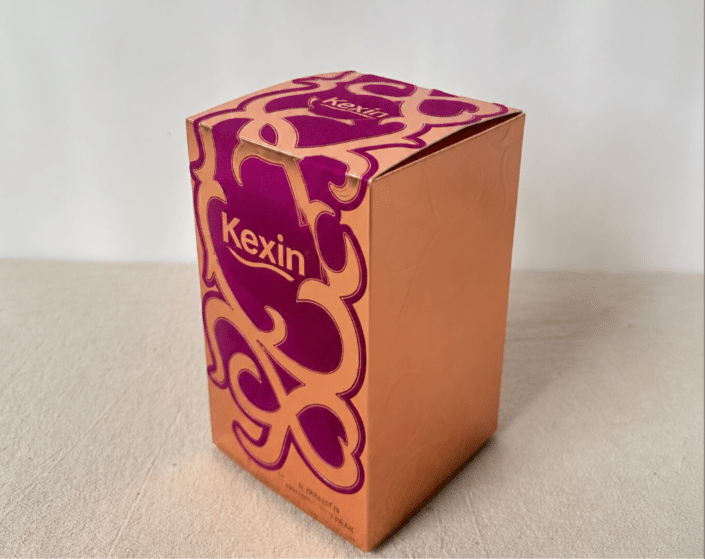
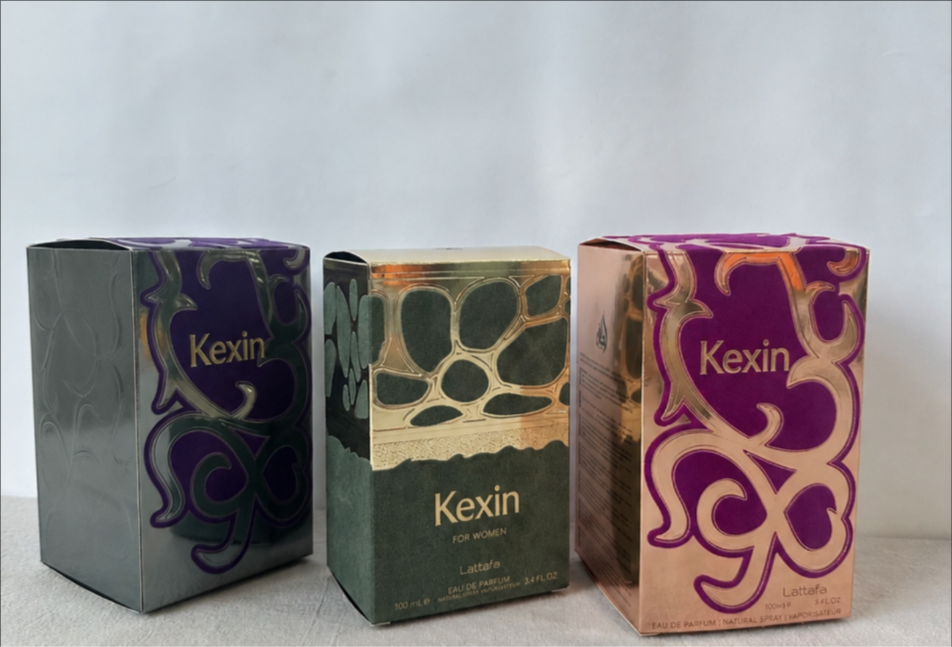
For this series of flocking perfume boxes, the customer wanted to achieve a luxurious and outstanding brand presentation while keeping the cost under control. Therefore, we recommended using the most cost-effective structure — a tuck-end paper box — combined with this unique flocking finishing effect.
The customer was extremely satisfied with the result. Later, all of their perfume collections adopted various creative partial flocking designs, creating a premium and distinctive visual and tactile experience with excellent market feedback.
Is Flocking Better Than EVA, Velvet, or Foam?
Many buyers ask me this question before placing an order.
There is no single best material. The right choice depends on your product, budget, appearance requirements, and production volume.
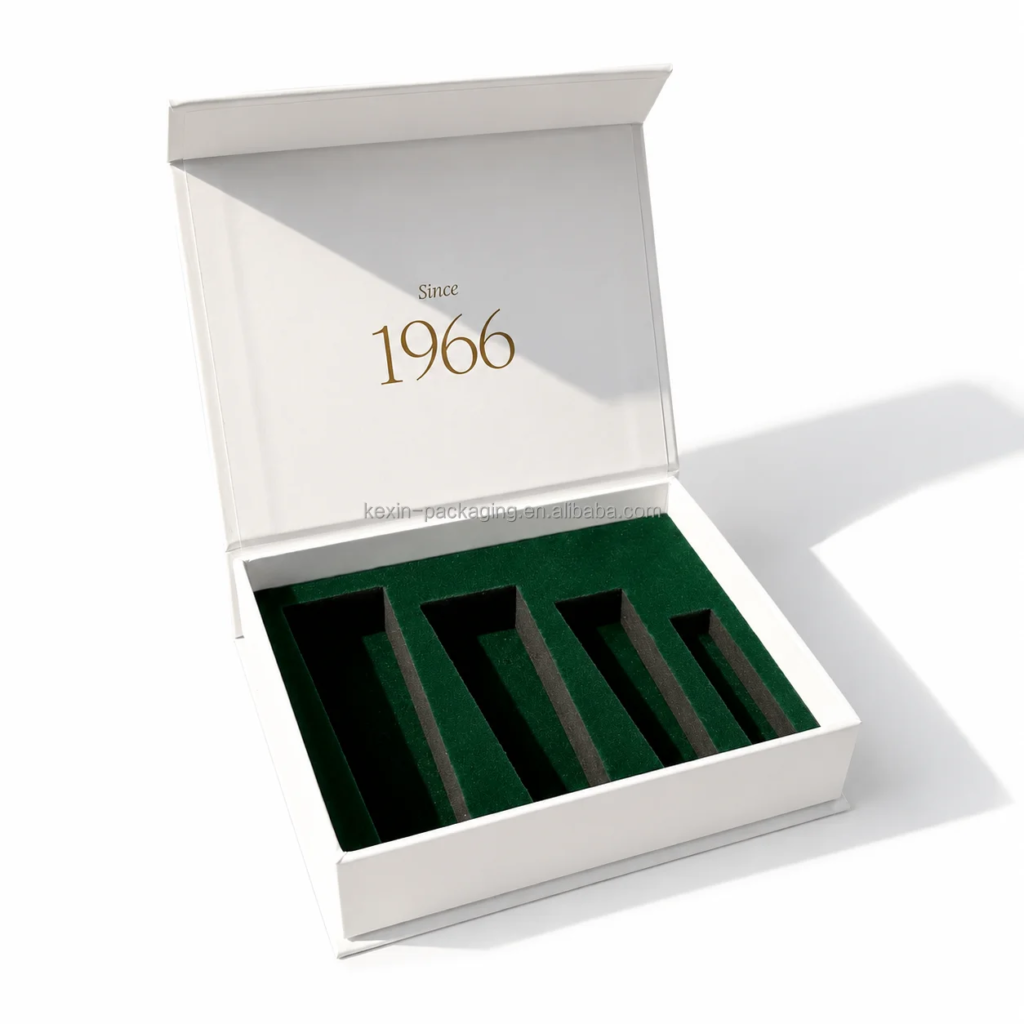
One mistake I often see is buyers asking for “the most luxurious option.”
Luxury depends on context.
For heavy electronics, EVA foam may provide better protection.
For jewelry, flocking usually creates a better premium feeling.
For gift boxes with limited budgets, paper inserts may achieve a similar appearance at a lower cost.
| Material | Luxury | Protection | Cost |
|---|---|---|---|
| Flocking | ⭐⭐⭐⭐⭐ | ⭐⭐⭐⭐ | Medium |
| EVA Foam | ⭐⭐⭐ | ⭐⭐⭐⭐⭐ | Medium |
| Velvet Fabric | ⭐⭐⭐⭐⭐ | ⭐⭐⭐ | High |
| Paper Insert | ⭐⭐ | ⭐⭐ | Low |
Therefore, when working with customers in the electronics industry, we usually do not recommend flocking finishes. For electronic product packaging, using high-quality textured materials combined with the customer’s required brand messaging and logo printing is often enough to create a modern, premium, and technology-driven appearance.
How Can You Tell If a Flocked Box Is High Quality?
Not all flocking looks the same.
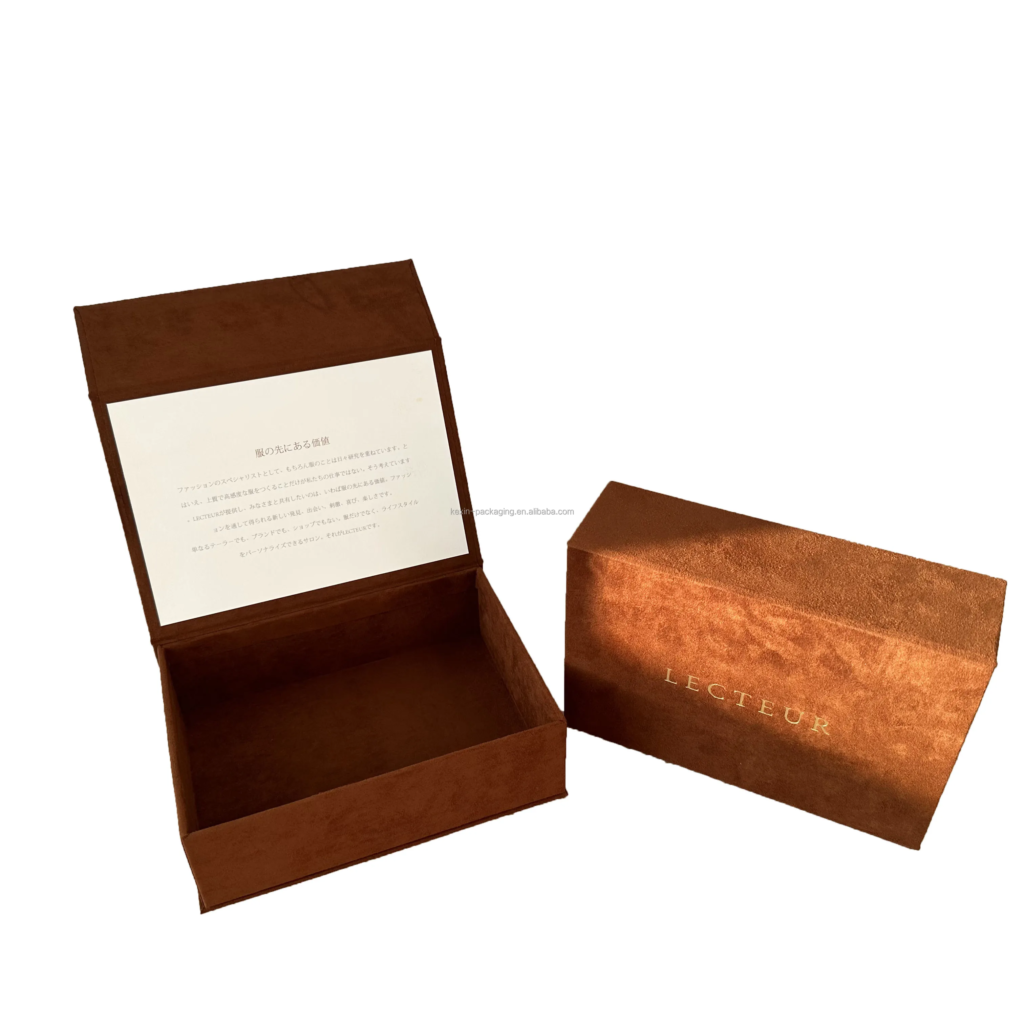
High-quality flocking has even fiber coverage, strong adhesion, consistent color, clean edges, and minimal fiber shedding after repeated handling.
Many buyers only notice the color.
Experienced manufacturers check much more.
For example:
- Fiber density
- Glue consistency
- Electrostatic alignment
- Adhesion strength
- Edge cleanliness
- Abrasion resistance
Poor flocking often starts shedding after only a few uses.
Good flocking should remain smooth and clean even after transportation and repeated opening.
How We Ensure Premium Quality for Flocked Packaging
Many of our luxury product clients, especially jewelry box and cosmetic packaging brands, frequently choose flocking finishes for their packaging. Over the years, we have gained extensive experience in this area and have also encountered and solved many common challenges.
Typical flocking issues include:
- Fiber shedding and loose fibers on the surface
- Flocking material being too stiff with a poor touch and feel
- Low fiber density, causing the base color to show through
- Mold growth and unpleasant odors caused by moisture issues
After years of cooperation and improvement, the flocking material suppliers we currently work with provide very stable and reliable quality.
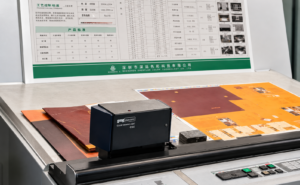
For any packaging project involving flocking materials, we pay extra attention to quality control. Besides setting strict requirements for our flocking suppliers regarding material specifications and certifications, we also conduct incoming quality inspections before the flocking material enters production.
In addition, we have our own UV drying equipment. All incoming flocking materials must pass through this treatment process for ozone sterilization before use.
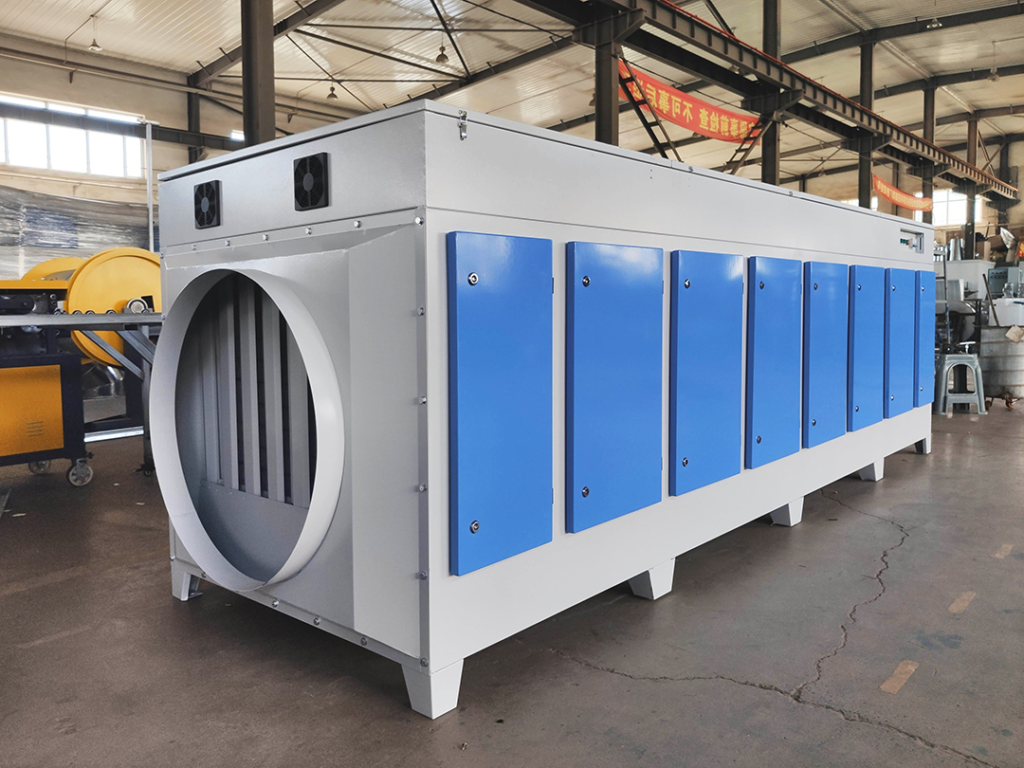
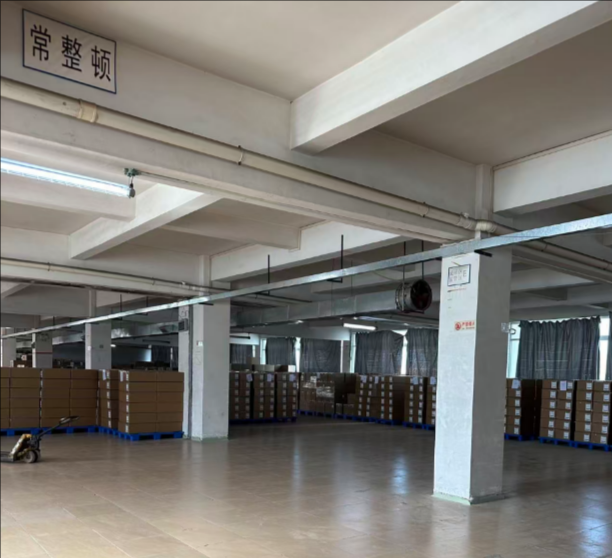
After the boxes are completed, each box is usually packed with one or two bags of desiccant and then transferred to our dehumidification room. The dehumidification time is determined according to the actual air humidity and the condition of the products at that time.
After completing the moisture control process, the finished boxes are stored in a dry and well-ventilated warehouse to ensure they maintain excellent quality before shipment.
Conclusion
Good flocking is more than decoration. When chosen correctly, it helps products feel more valuable before customers even see what’s inside.