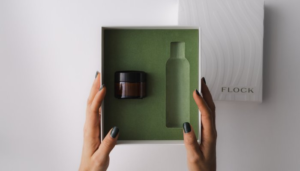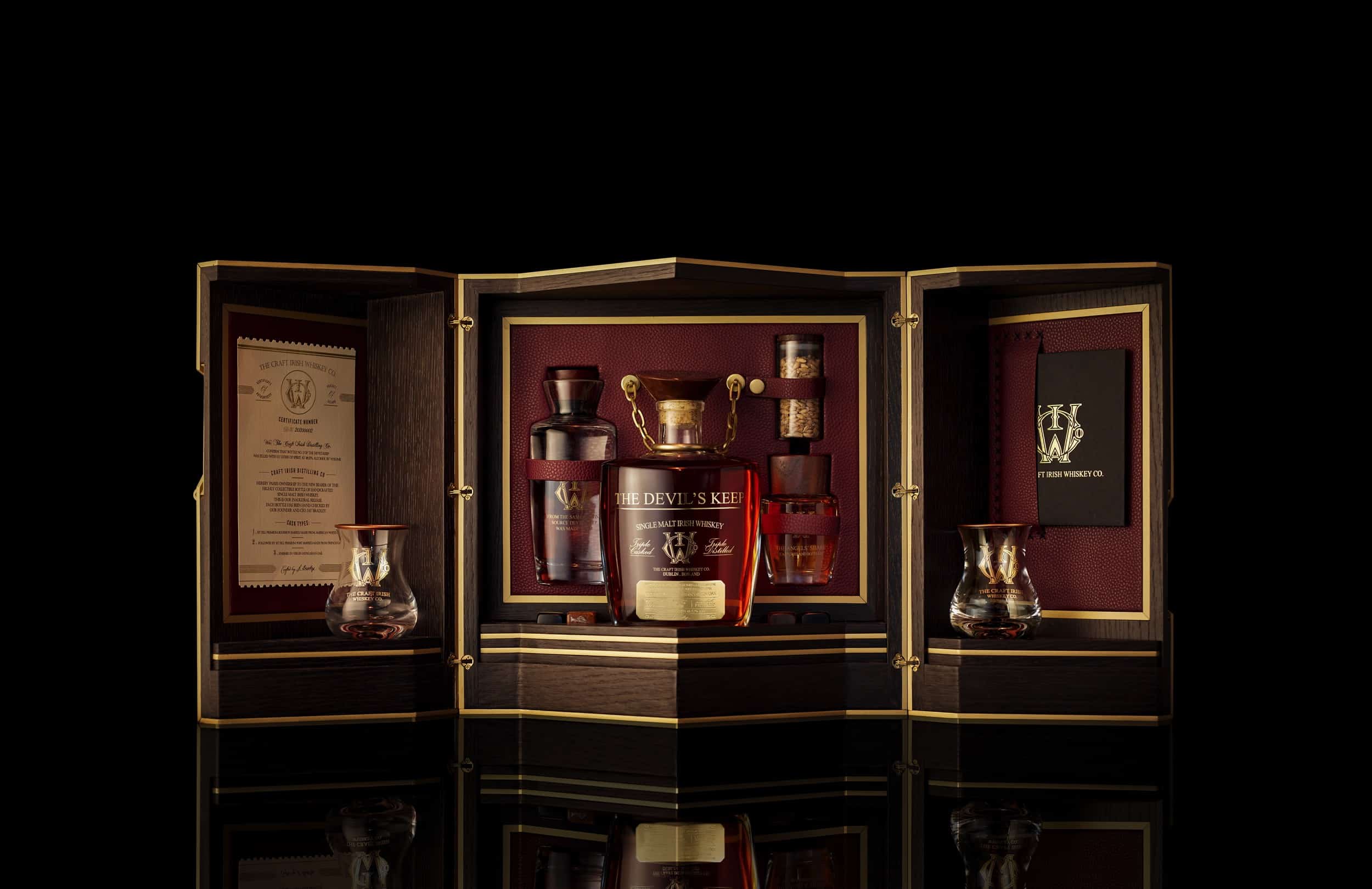
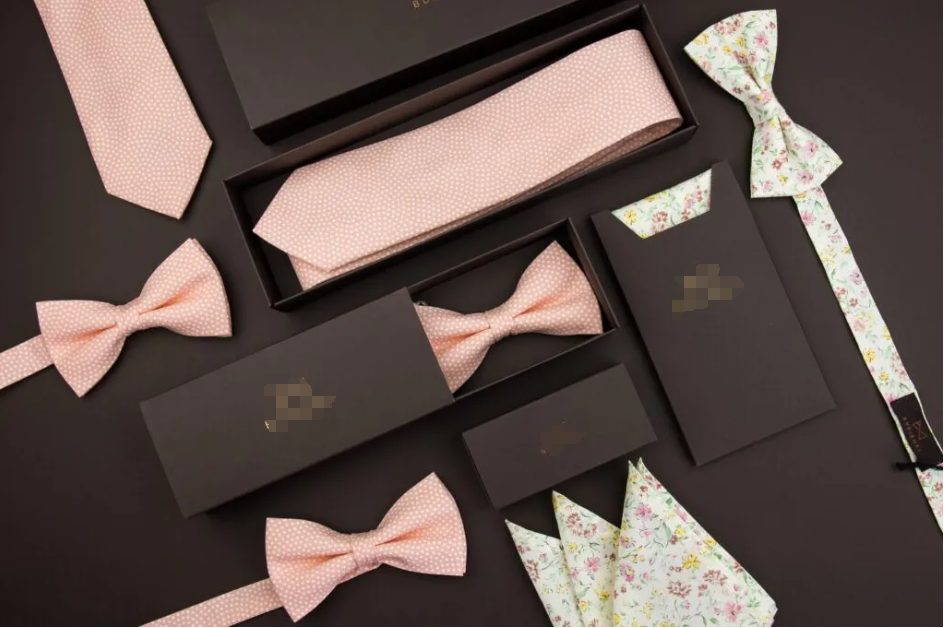
Why is Packaging So Important for Brand Identity?
In today’s market, packaging is no longer just about protecting a product.
It is an extension of brand identity—and one of the most powerful touchpoints for capturing attention, building trust, and earning long-term loyalty.
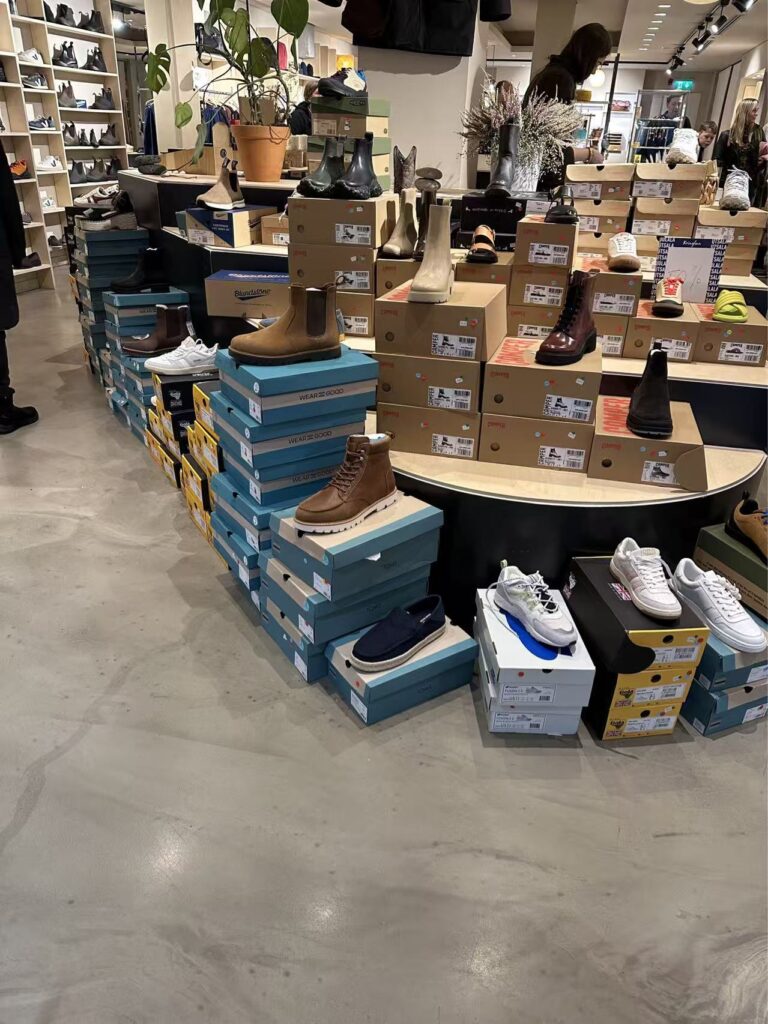
Great packaging protects products while clearly communicating brand values. By integrating aesthetics, functionality, and sustainability, packaging enhances brand visibility, strengthens customer engagement, and meets the expectations of diverse consumers. When packaging is taken seriously, it stops being an accessory and becomes a core part of the customer experience.
So let’s take a closer look:
What makes packaging truly impactful—and why does it matter so much?
Why Does Packaging Directly Shape Brand Identity?
Packaging often determines a customer’s first impression, and that impression strongly influences brand perception and purchasing decisions. For brands, first impressions rarely get a second chance.
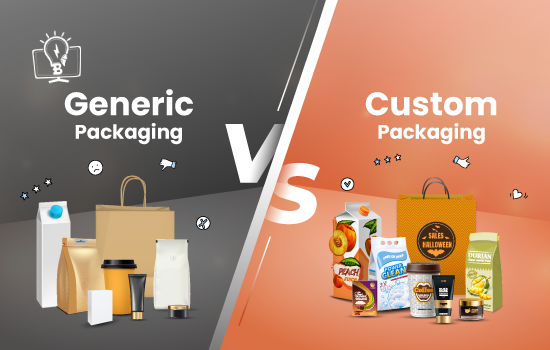
Packaging acts as a brand’s “silent salesperson.”
From structure and design to material selection, every detail communicates values, positioning, and personality. Effective packaging aligns seamlessly with the brand story, helps products stand out on shelves, and lays the foundation for long-term customer relationships.
When packaging accurately reflects brand identity, casual buyers can quickly become loyal customers.
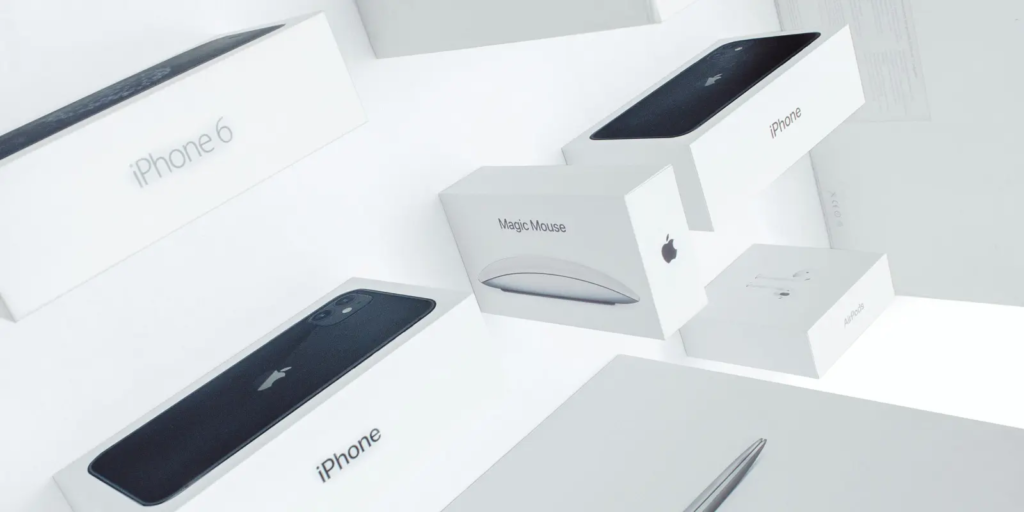
Think of Apple’s minimalist packaging or Coca-Cola’s iconic red bottles—both are instantly recognizable, strongly associated with the brand, and deeply connected to perceptions of quality and familiarity.
How Do Design Choices Influence Brand Perception?
The color, typography, structure, and tactile feel of packaging directly shape how a product is perceived. Every design decision sends a message.
| Design Element | Impact on Brand Perception |
|---|---|
| Color | Triggers emotions: green suggests sustainability, red conveys energy |
| Typography | Communicates tone: serif feels classic, sans-serif feels modern |
| Structure | Distinct shapes stand out; round feels friendly, square feels stable |
| Texture | Enhances sensory experience: matte feels premium, glossy feels playful |
Thoughtful packaging design can communicate luxury, reliability, or innovation, transforming a product from a simple object into a memorable experience.
Even more powerful is associative memory.
Orange immediately reminds many people of Hermès.
Teal also brings Tiffany to mind.
Red often triggers thoughts of the Red Cross.
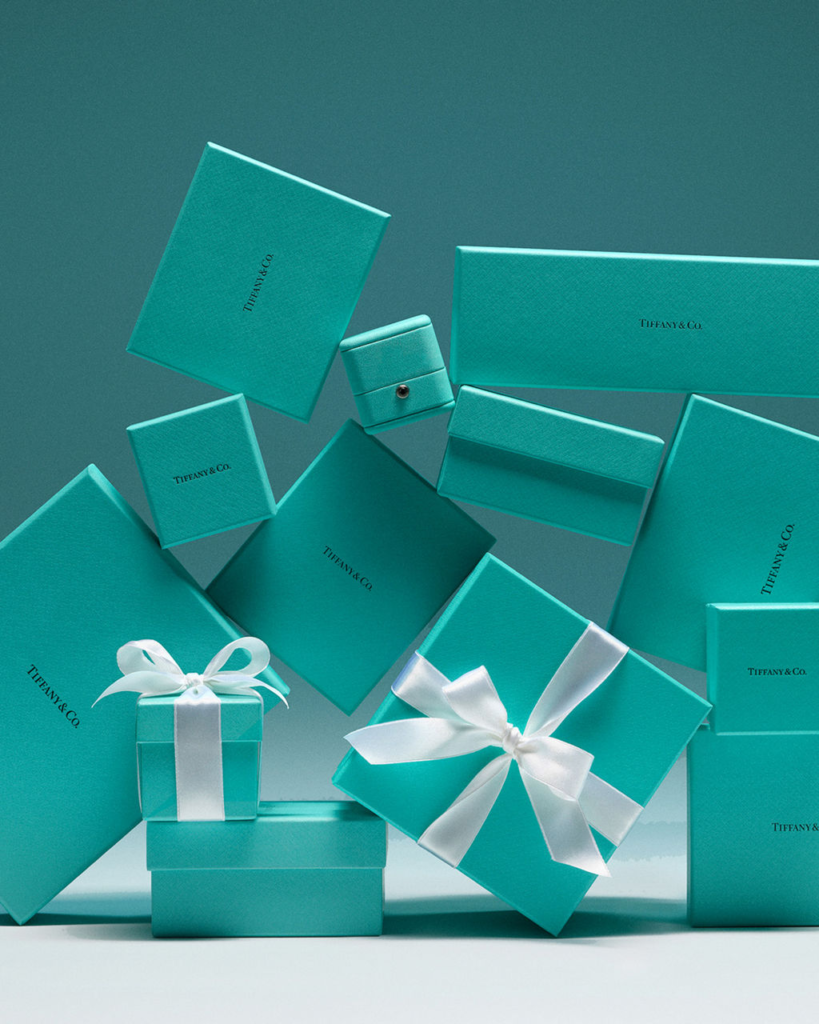
These associations spread rapidly, reinforcing brand recognition and word-of-mouth—helping companies enter markets faster and occupy mental space more effectively. The same logic applies to typography, structure, and texture.
How Does Packaging Influence Buying Behavior?
In many scenarios, packaging itself drives the purchase decision.
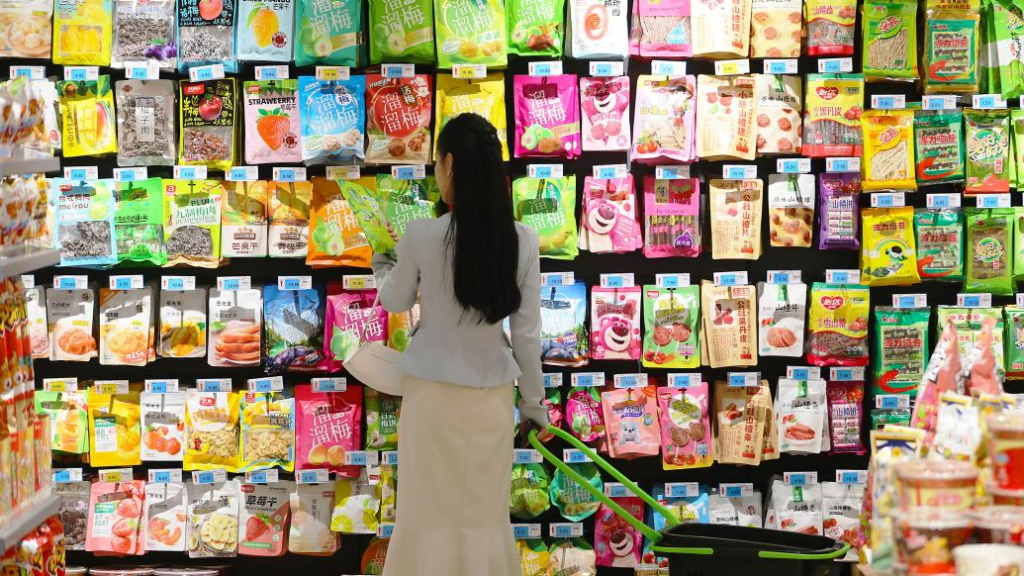
When similar products sit side by side—whether in a supermarket or online—customers naturally gravitate toward the one with more appealing packaging or messaging that resonates with their needs, even if the products are nearly identical.
Packaging influences buying behavior by engaging the senses, emotions, and values. Eye-catching visuals and sustainable materials connect emotionally, while practical features such as ease of use, durability, and recyclability appeal to rational, value-driven buyers.
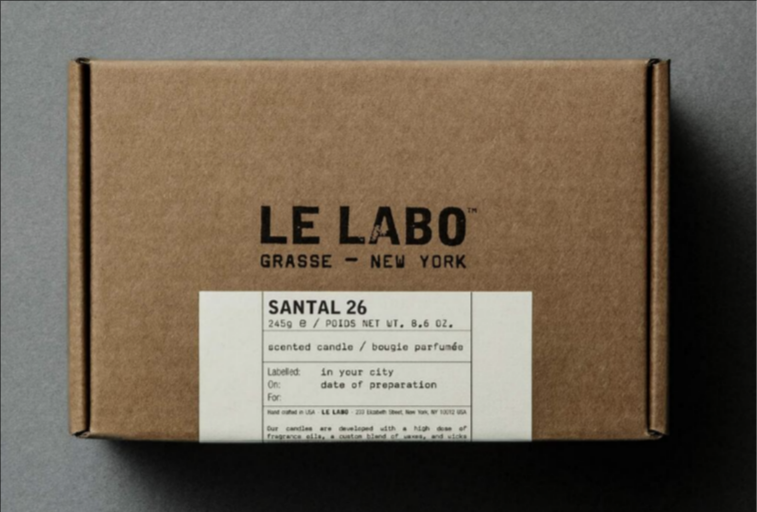
Sustainable packaging, in particular, creates a strong “feel-good factor.” As consumers become more environmentally aware, eco-friendly packaging is no longer a bonus—it is increasingly a competitive advantage.
Creating a Memorable Unboxing Experience
A well-designed unboxing experience significantly increases repeat purchases and encourages organic social sharing.
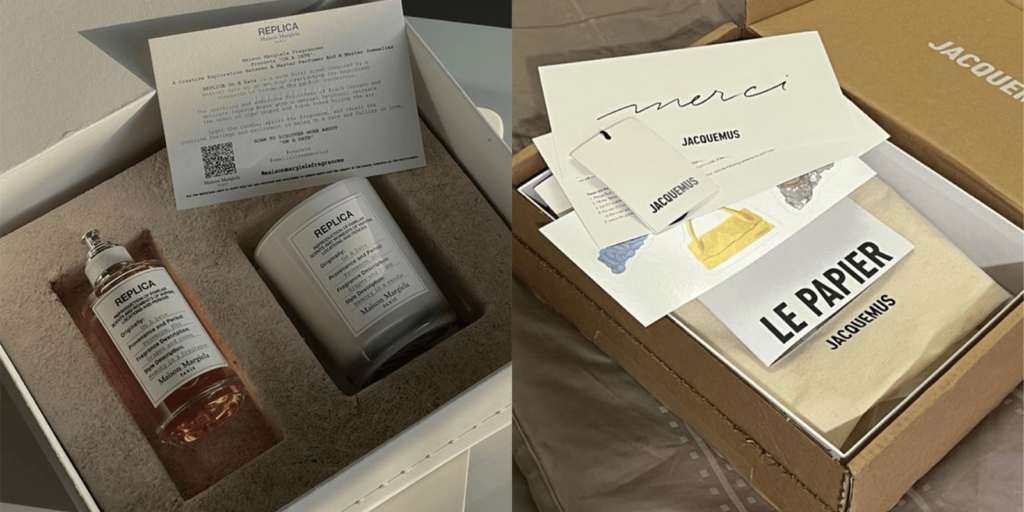
That’s why more brands now invest in details such as:
- Branded tissue paper and stickers for exclusivity
- Personalized notes or small gifts to enhance emotional value
- Layered packaging structures that build anticipation
- Signature box scents that strengthen memory recall
- And, of course, your unique product or service
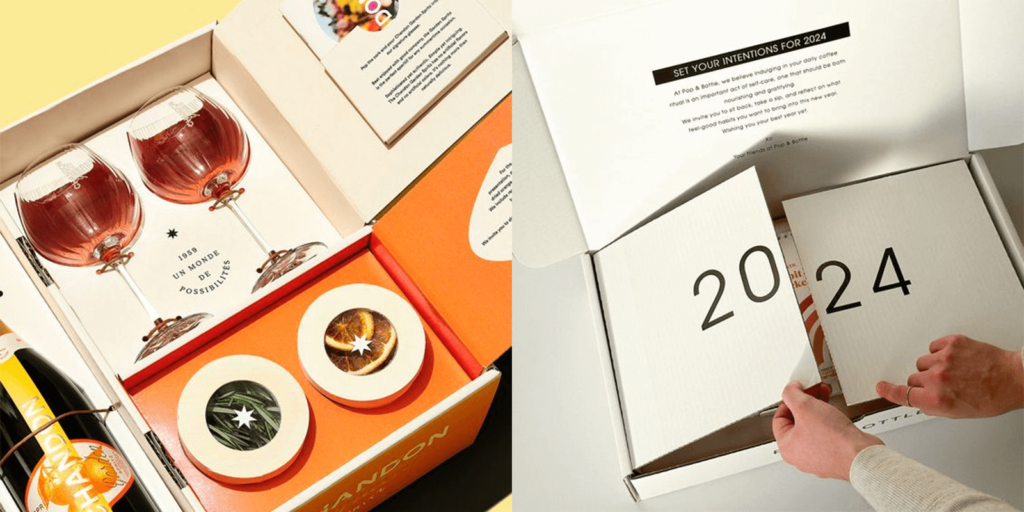
This is not about following trends—it’s about making customers feel valued.
In China, we call customers who voluntarily share and recommend brands “organic advocates.”
Their genuine endorsements are often more credible and effective than expensive advertising. A carefully crafted unboxing experience is one of the most efficient ways to earn that kind of trust-driven promotion.
What Role Does Sustainability Play in Modern Packaging?
As environmental awareness grows, sustainable packaging has become a strategic priority.
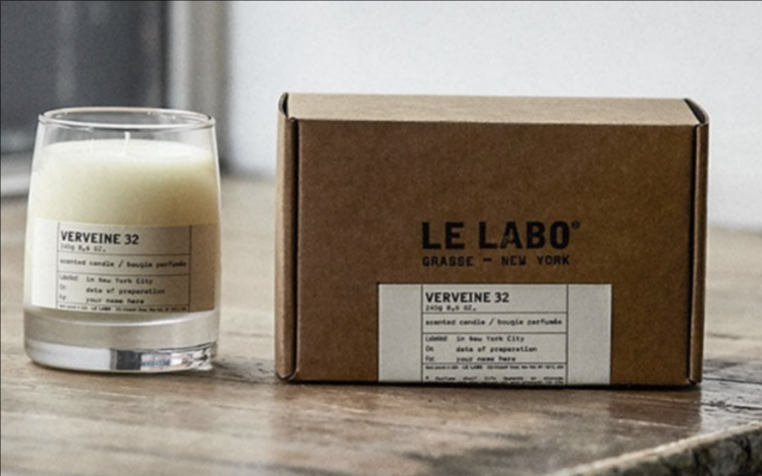
By using recyclable, biodegradable, or compostable materials, brands reduce environmental impact while demonstrating genuine social responsibility. Many companies now integrate sustainability into their core strategy to reduce waste and meet rising market expectations.
Sustainability is not just about using less material—it’s about aligning with evolving consumer values.
Today’s customers increasingly support brands that take real, measurable action for environmental responsibility.
Common Sustainable Packaging Solutions
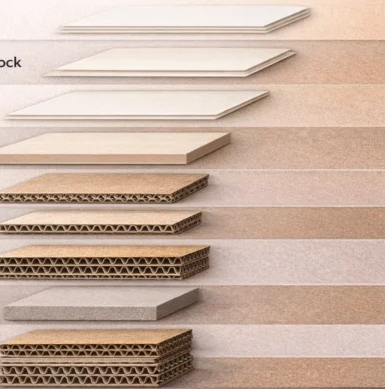
Here are some widely adopted sustainable packaging options that balance environmental impact and brand presentation:
| Material | Key Benefits |
|---|---|
| Recycled Paper | Reduces waste, easy to print and brand |
| Biodegradable Plastics | Break down faster, reducing pollution |
| Reusable Packaging | Adds value through extended lifecycle |
| Compostable Packaging | Made from organic materials, fully decomposable |
Soy-based ink is another important sustainable option.
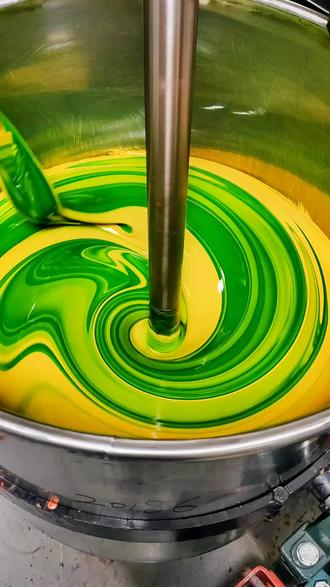
Compared with conventional inks, it is easier to de-ink and causes less damage to paper fibers. Over 80% of newspaper paper is recycled, and soy ink significantly reduces waste and recycling costs.
Soy ink, derived from plant-based oils, can reduce VOC emissions by up to 70% and achieve over 80% biodegradability. It also delivers richer color density, better gloss, and a 25% higher de-inking rate than traditional inks.
So why is soy ink still niche?
The answer is simple: cost—it is roughly twice as expensive as standard ink.
Sustainability requires financial capability. Large enterprises must lead by example. As adoption increases, production and R&D costs will gradually decline. Sustainable packaging is the future—but it is also a long-term commitment.
How Custom Packaging Enhances Product Value
Custom packaging fundamentally changes how customers perceive value.

Its core design elements include:
- Package size and internal structure (including inserts)
- Packaging materials and auxiliary components
- Visual style: minimalist or complex, muted or bold, even unprinted
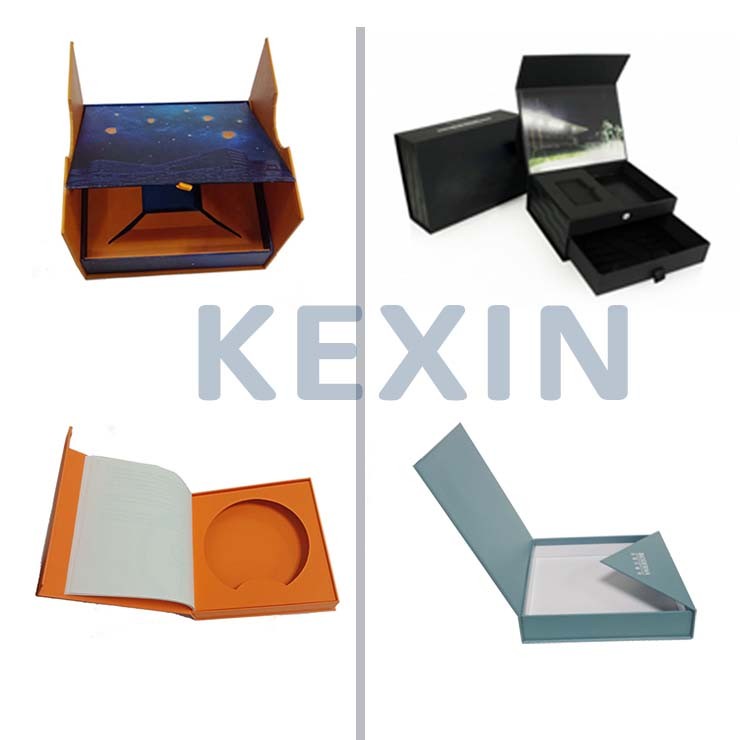
- Structural formats: mailer boxes, rigid boxes, book-style boxes, drawer boxes, foldable boxes, and more
- Finishing techniques: foil stamping, embossing, debossing, lamination, UV, glitter effects

These elements do not exist independently. They are strategically combined based on brand positioning, product attributes, and market demand to achieve the optimal solution.
Custom packaging strengthens brand language, increases perceived value, and helps products stand out—both on shelves and in customers’ minds. It becomes a critical communication bridge between brand and consumer.
Conclusion
Packaging is not just a container—it is a powerful brand and marketing tool.
It shapes perception, influences decisions, and continuously reinforces brand value. In a market that increasingly prioritizes sustainability, experience, and emotional connection, packaging has never mattered more.
If you’re asking yourself:
Can your packaging do more for your brand?
Explore Kexin Packaging—and turn packaging into a real driver of brand growth.