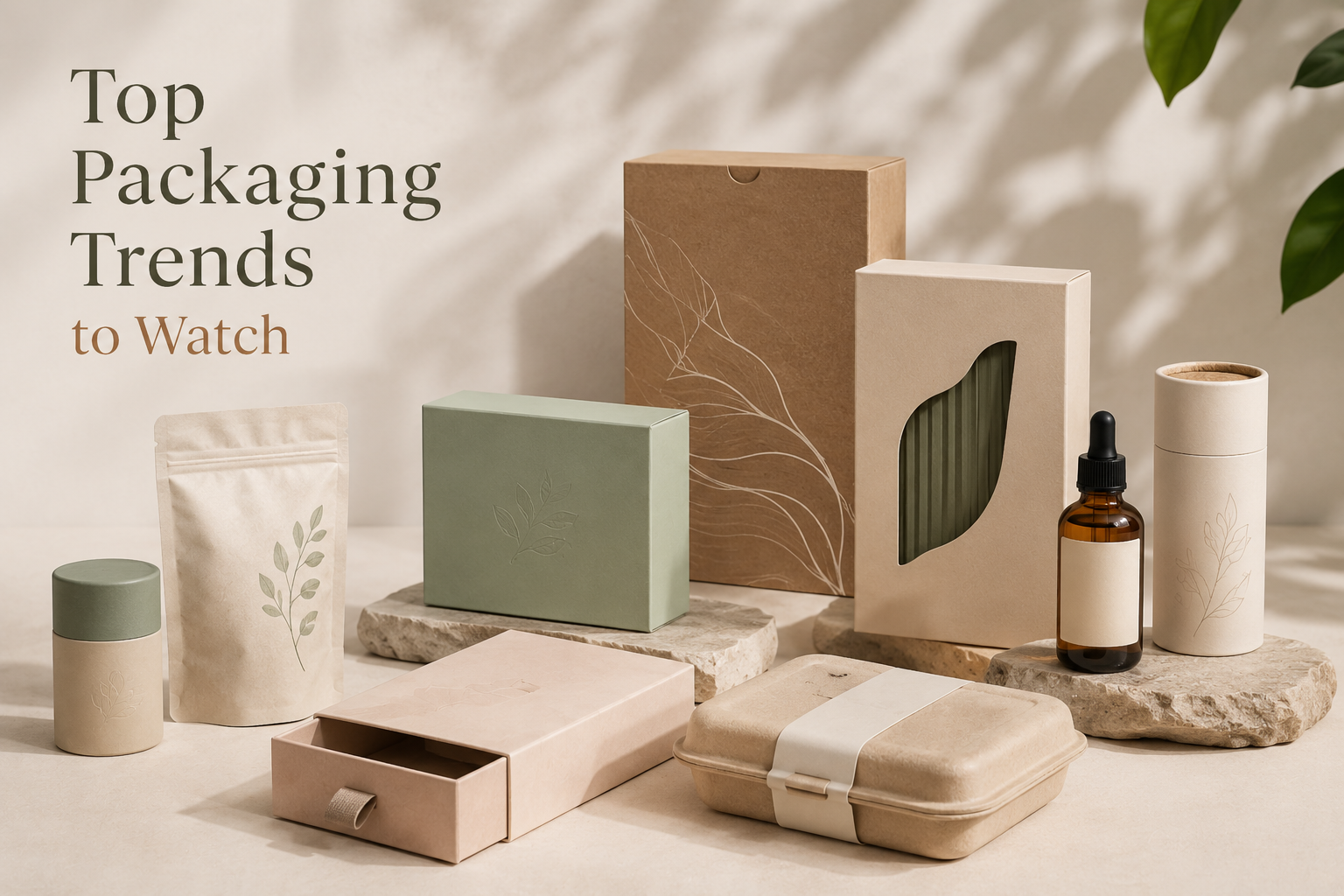
The packaging industry is constantly evolving to meet changing consumer demands, technological innovations, and environmental concerns. Over the past few years, the packaging industry has undergone rapid transformation. As we approach 2027, several key trends are becoming even more influential.
By 2027, packaging development is expected to be driven by three core pillars: sustainability, smart technology, and personalization. As eco-consciousness grows, packaging solutions that are eco-friendly and efficient will lead the way. Consumer engagement will deepen with the integration of technology, and the demand for custom experiences will continue to rise.
Let’s dive deeper into the top packaging trends for 2027.
1. Sustainable and Eco-friendly Packaging
Sustainability continues to be a top priority in packaging. As we move into 2027, eco-friendly solutions are expected to dominate, with a growing emphasis on materials that are biodegradable, recyclable, and reusable.
Eco-friendly packaging is no longer just a trend—it is gradually becoming a new industry standard. Many of our clients from Europe and North America are placing increasing emphasis on sustainable materials. For example, our Swiss client Logitech has removed plastic film from all of their product packaging boxes. Many other clients also specifically request FSC-certified materials. Brands that prioritize sustainability can not only attract environmentally conscious consumers, but also stay ahead of evolving environmental regulations.
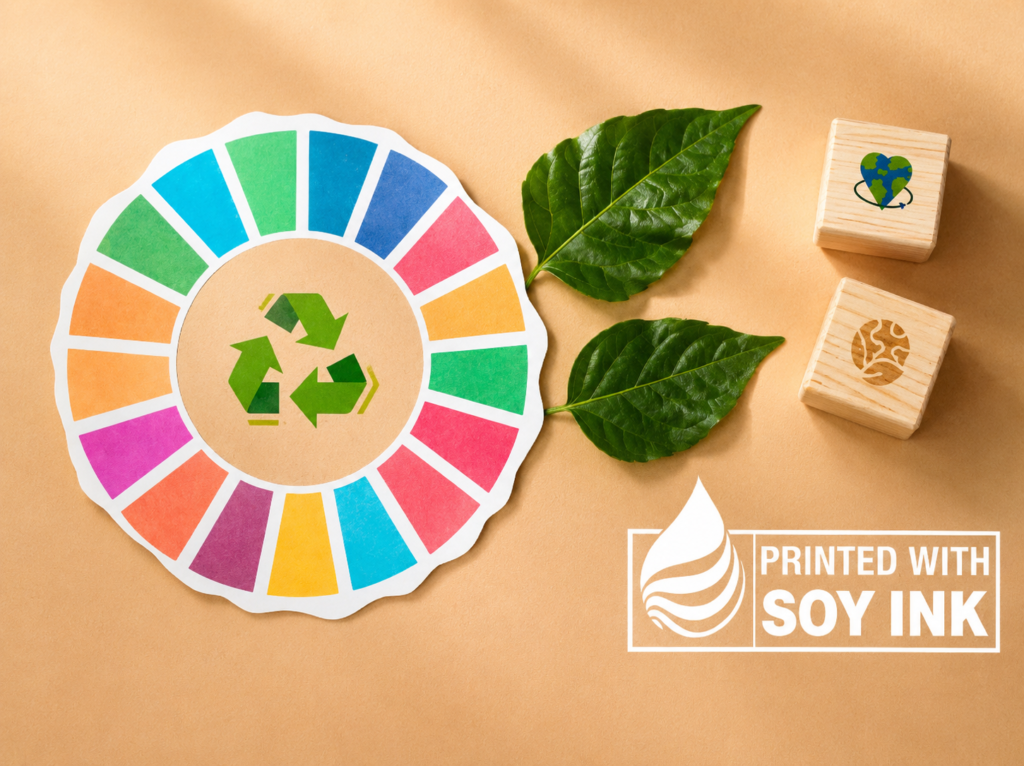
Exploring Sustainable Packaging Solutions
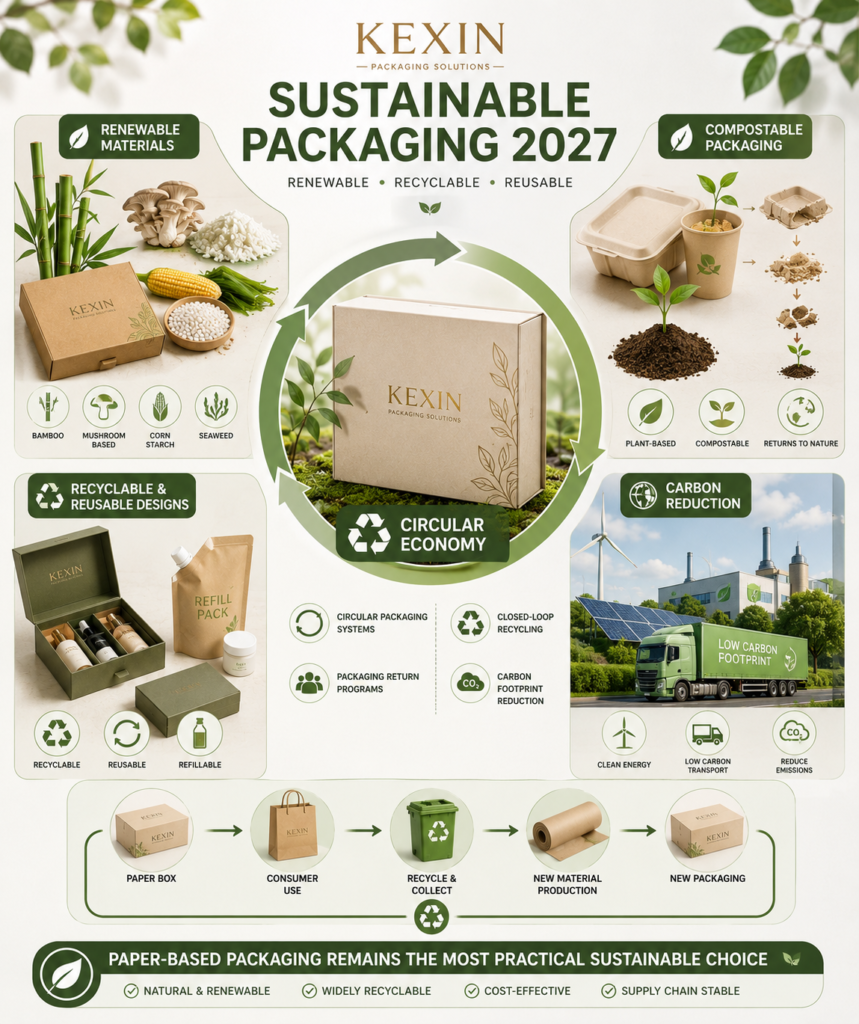
In 2027, the demand for packaging that reduces environmental impact will be at an all-time high. Brands will increasingly adopt renewable resources, such as bamboo, mushroom-based materials, and biodegradable plastics. These alternatives not only help reduce plastic waste but also provide innovative, natural options that appeal to eco-minded consumers.
Biodegradable and Compostable Materials
Compostable packaging made from plant-based materials, such as corn starch or seaweed, is gaining traction. Unlike traditional plastic, these materials break down naturally, reducing landfill waste and offering a sustainable solution for product packaging.While innovative materials continue to emerge, large-scale adoption will depend on cost efficiency and supply chain scalability.
Recyclable and Reusable Designs
Packaging designs will prioritize recyclability, using fewer materials and simpler structures. Consumers are also becoming more aware of the need for reusable packaging, and brands are responding by offering products in packaging that can be reused or refilled, reducing waste in the long term.
Circular Economy Focus
The idea of a circular economy—where products and materials are reused and recycled—is central to sustainable packaging. In 2027, more brands will embrace closed-loop systems, where packaging is recycled and returned to the production cycle.
Circular Packaging Systems
By 2027, circular packaging systems will become more common, with brands exploring packaging return programs and reusable shipping solutions.
Carbon Reduction
Carbon footprint reduction will also become a key factor in packaging decisions, especially for global brands.
Although new eco-friendly materials continue to emerge, cost efficiency and supply chain stability remain key factors for large-scale adoption. As a result, many brands still prioritize paper-based packaging as a more practical and sustainable solution.
2. Smart Packaging for Enhanced Consumer Interaction
Smart packaging, which integrates technology to create more interactive and informative packaging, will be a major trend in 2027. Brands are increasingly using technology to connect with consumers in innovative ways.
Consumers are looking for more than just products in a box—they want to interact with the packaging itself. Smart packaging, which incorporates technologies such as NFC chips and augmented reality (AR), is the future.
Advances in digital printing and flexible manufacturing will make personalized packaging more accessible, even for small and medium-sized brands.

Innovations in Smart Packaging
Smart packaging will transform the way consumers interact with products. In the current market, it is most commonly used in industries such as luxury goods, cosmetics, and high-value electronics, as these sectors are better able to absorb the additional technology costs. In 2027, we’ll see more brands using technologies like NFC (Near Field Communication) and QR codes to enhance consumer experiences.
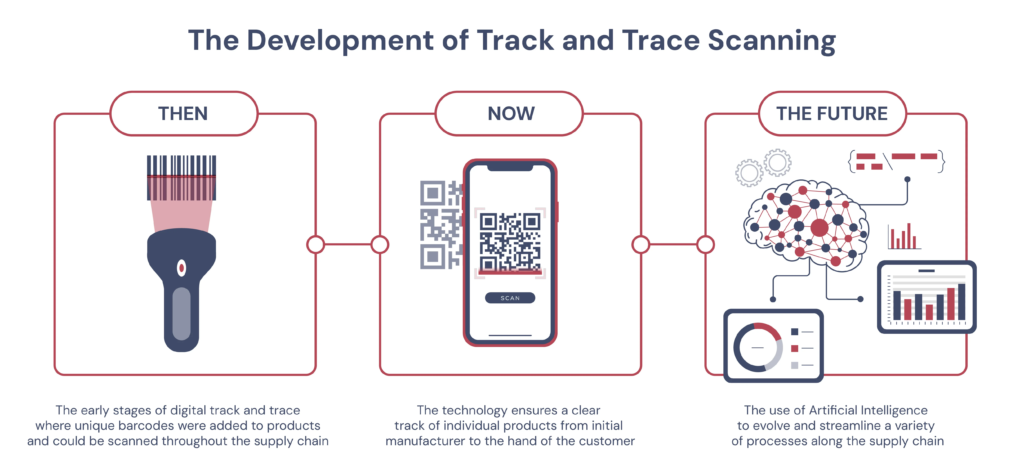
Track & Trace Technology
Smart packaging that includes RFID tags or QR codes will allow consumers to track their products in real time, verifying authenticity, delivery progress, and even providing information about the product’s origin. This transparency builds trust with consumers, particularly when it comes to luxury goods and perishable items.
Augmented Reality (AR) Experiences
AR will provide an immersive experience by allowing consumers to interact with product packaging in new and exciting ways. Through a smartphone, consumers can scan packaging to view 3D models, watch tutorials, or even receive special offers.
Product Authentication
To combat counterfeit goods, more brands will integrate anti-counterfeit technologies into their packaging. Smart labels can offer digital proofs of authenticity, providing consumers with peace of mind and enhancing brand integrity.
AI + Packaging
AI-powered supply chain tracking will further enhance smart packaging systems.
Digital Product Passport
Regulations such as Digital Product Passports in Europe may push brands to integrate more traceability features into packaging.
3. Personalized Packaging and Customization
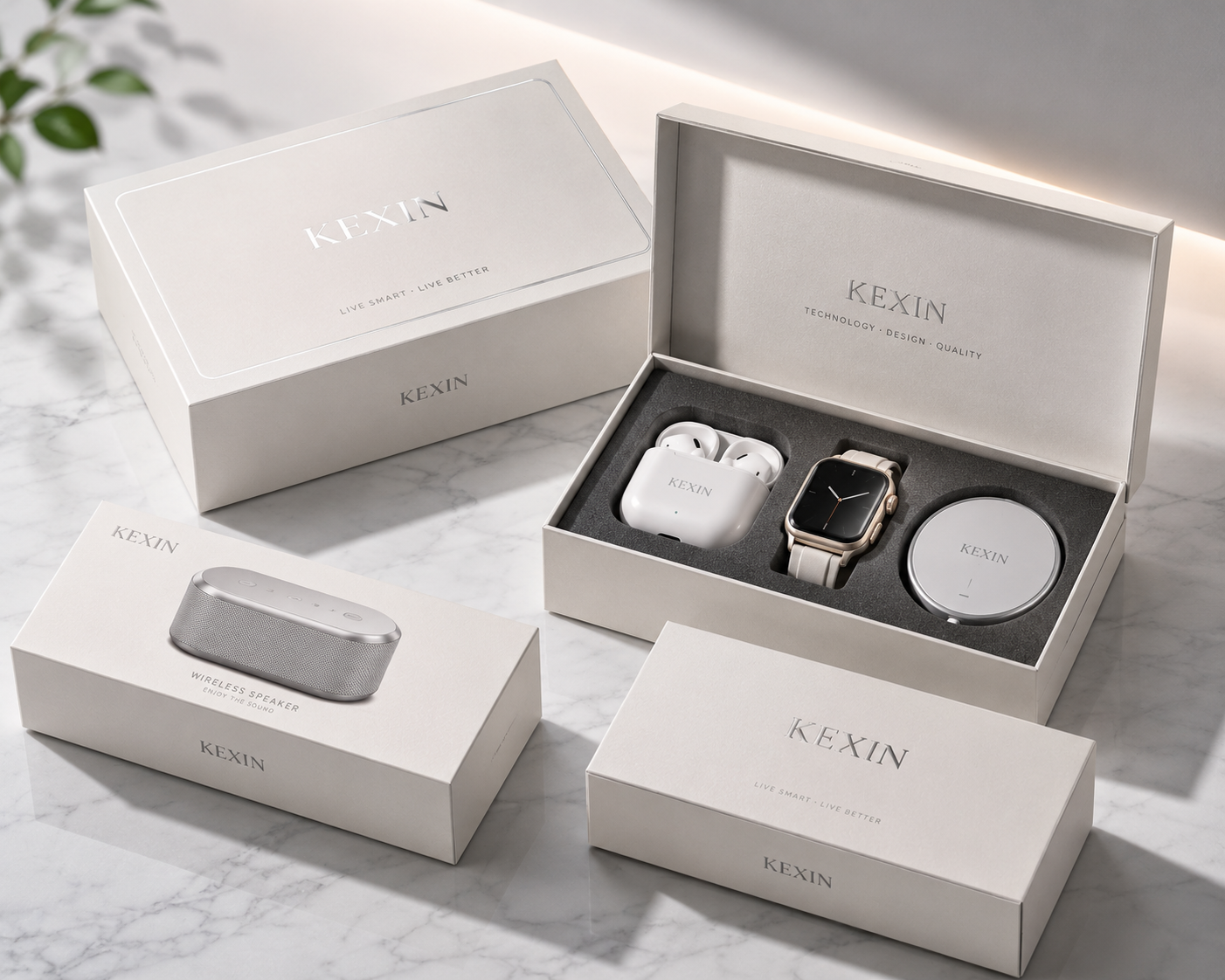
In 2027, personalized packaging will become a powerful tool for creating memorable, one-of-a-kind experiences. Consumers want packaging that feels unique to them, and brands will increasingly meet this demand with customizable options.

Personalized packaging is an effective way to build deeper connections with consumers. Whether it’s through custom designs, limited-edition releases, or interactive features, personalized packaging allows brands to make a lasting impact.
With the advancement of digital printing technology and flexible manufacturing methods, even smaller order quantities can support personalized packaging designs. This has made limited-edition and seasonal packaging increasingly common for brands.
Advances in digital printing and flexible manufacturing will make personalized packaging more accessible, even for small and medium-sized brands.
The Growing Demand for Personalization
Custom packaging not only makes a product stand out but also helps brands connect emotionally with their consumers. In 2027, expect more products to feature packaging tailored to individual preferences, allowing for greater consumer engagement.
Limited-Edition and Seasonal Packaging
To capitalize on the demand for exclusivity, brands will continue to produce limited-edition packaging for special releases. Whether it’s a seasonal design for holidays or a one-off collection for an event, these packaging designs create a sense of urgency and increase customer loyalty.
Interactive Customization
Consumers will be able to design their own packaging, choosing colors, themes, and even messaging. This level of interactivity strengthens the personal connection with the brand, and allows consumers to share their creations on social media, amplifying brand visibility.
Brand Storytelling Through Packaging
Personalized packaging is also a powerful storytelling tool. Brands will use packaging as a medium to communicate their values, history, or product story. Consumers appreciate packaging that feels personal and authentic, which strengthens their bond with the brand.
4. Minimalist and Clean Designs
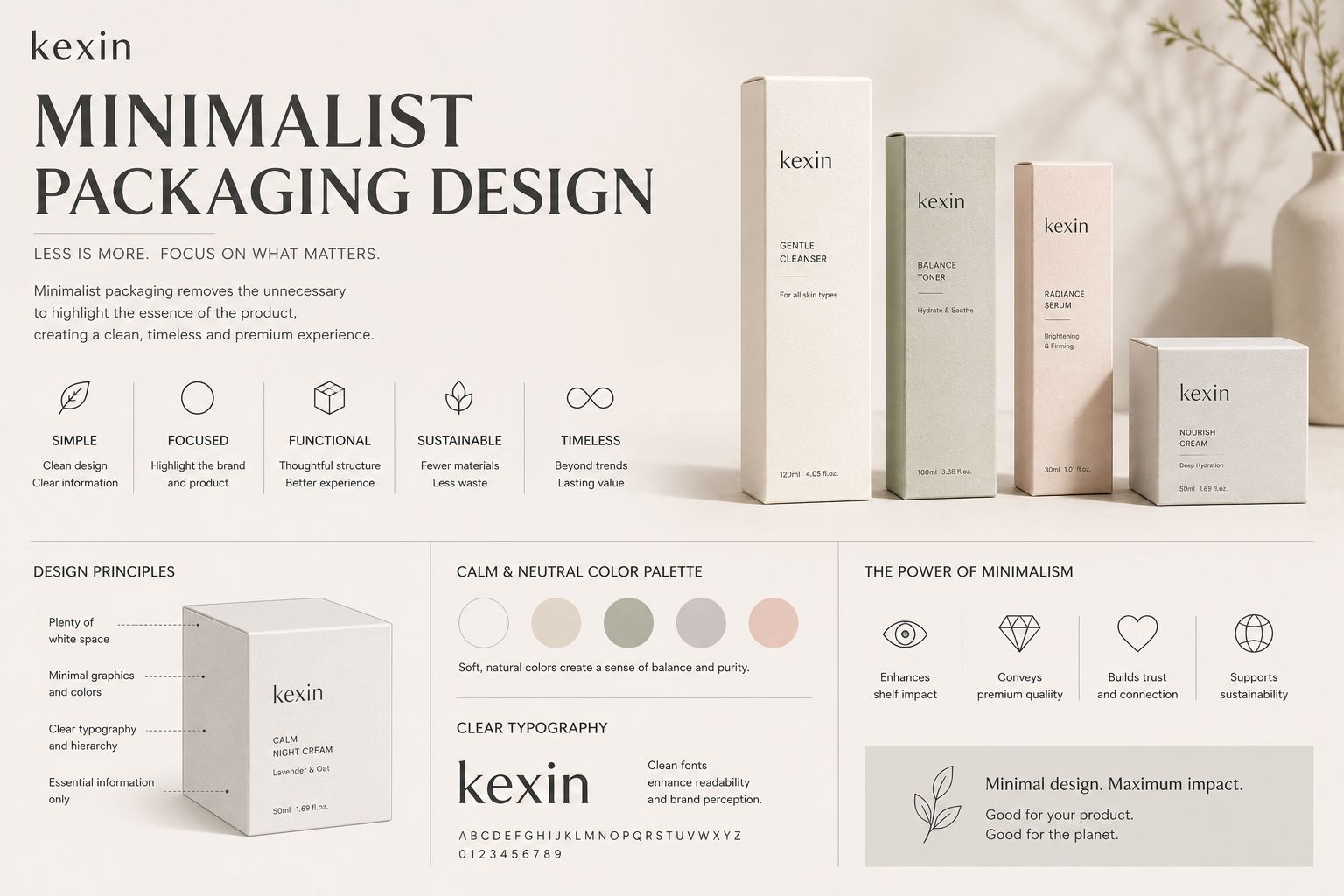
Simplicity will continue to reign in packaging design. By 2027, minimalist packaging will continue gaining popularity.—it will reflect a commitment to clarity, sustainability, and functionality.
As consumers seek less clutter, packaging that is clean, straightforward, and visually appealing will dominate. Minimalist packaging also reduces unnecessary materials, aligning with the broader trend toward sustainability.
The Appeal of Minimalist Packaging
Minimalist design emphasizes both efficiency and aesthetics. From a manufacturing perspective, minimalist design can also help companies reduce packaging costs by minimizing the number of printing colors, lowering material usage, and improving packaging transportation efficiency.
Simplicity in Design
Brands will continue to strip down unnecessary elements in their packaging. Think simple fonts, muted colors, and single-color palettes that focus on the core message rather than excessive details.
Eco-friendly Simplicity
Minimalist designs can also be more sustainable. By reducing the amount of packaging material used, companies can lower their carbon footprint and use more eco-friendly materials, contributing to a circular economy.
Functionality with Style
Minimalist packaging is not just about looking good; it’s also about function. The packaging will be designed for easy opening, stacking, and storage, enhancing the user experience while maintaining a sleek appearance.
5. The Rise of Paper-based Packaging
Paper-based packaging is set to become the dominant choice in 2027, as it offers an eco-friendly alternative to plastic while also being versatile and cost-effective.In many packaging projects, paper-based packaging has become the best option for brands to balance sustainability, cost control, and product presentation.
With increasing consumer demand for sustainable packaging, paper-based solutions like paper bags, paper boxes, and printed packaging are gaining popularity. These materials are recyclable, biodegradable, and meet the growing demand for eco-conscious products.
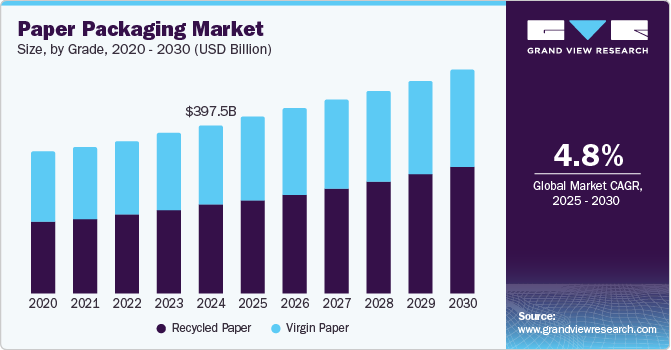
The Future of Paper-based Packaging
Paper packaging continues to evolve, offering a perfect balance between environmental responsibility and consumer appeal. In 2027, it will be at the forefront of sustainable packaging options.
Customization and Versatility
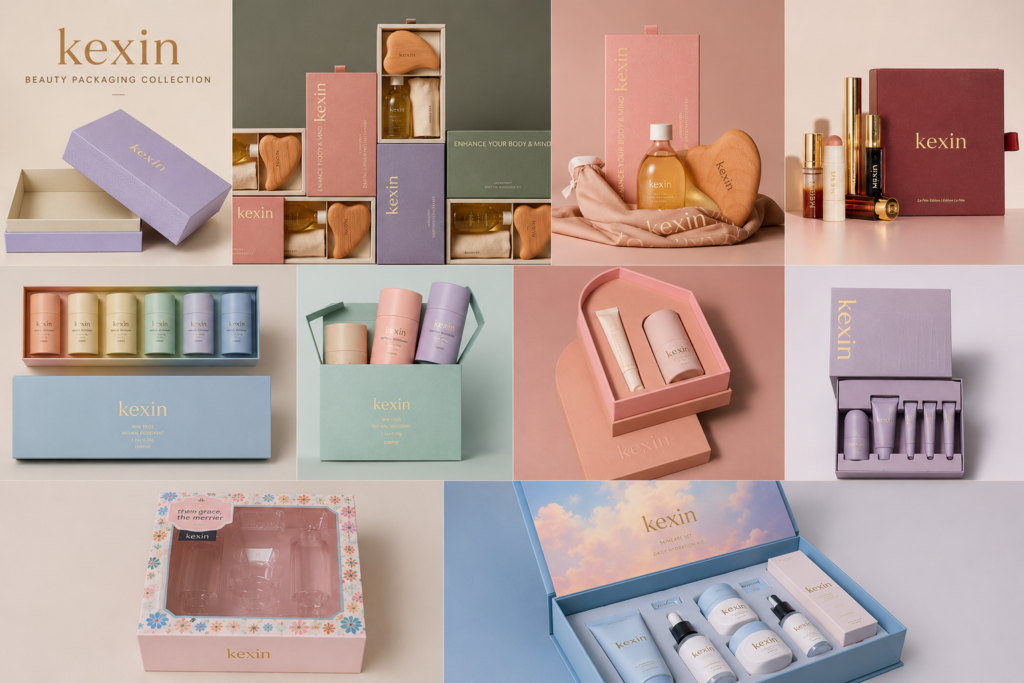
Paper-based packaging can be easily customized, whether it’s through custom prints, embossing, or innovative folds. This versatility allows brands to express creativity while maintaining sustainability.
Cost-effective and Eco-friendly
Not only is paper packaging an eco-friendly option, but it’s also cost-effective, especially as production methods become more efficient. This makes it a viable option for brands looking to reduce costs while remaining environmentally responsible.
Recycling and Reusability
The recyclability of paper packaging is a key selling point. As brands continue to prioritize circular packaging systems, paper offers an ideal material that can be reused and recycled multiple times, reducing the overall environmental impact.
Plastic Replacement
Many brands are actively replacing plastic packaging with paper-based alternatives.
Barrier Paper Technology
Advances in barrier paper technology are expanding the applications of paper packaging in food, cosmetics, and e-commerce.
6. Supply Chain Efficiency and Cost Optimization
As global logistics costs continue to fluctuate, more brands are paying closer attention to the role packaging plays in supply chain efficiency. Packaging is not only part of product presentation—it also directly affects transportation costs, warehousing efficiency, and overall operational expenses. As a result, packaging designs that improve logistics efficiency are becoming increasingly important.
With the rapid growth of cross-border e-commerce and global trade, companies must find the right balance between product protection, safe transportation, and cost control. Well-designed packaging structures and optimized dimensions can significantly reduce shipping costs while improving overall supply chain efficiency.
Optimizing Packaging Structure to Improve Logistics Efficiency
More companies are adopting lightweight packaging structures to reduce material usage and lower shipping weight. At the same time, flat-pack designs are becoming increasingly popular, as they can save significant space during transportation and storage.
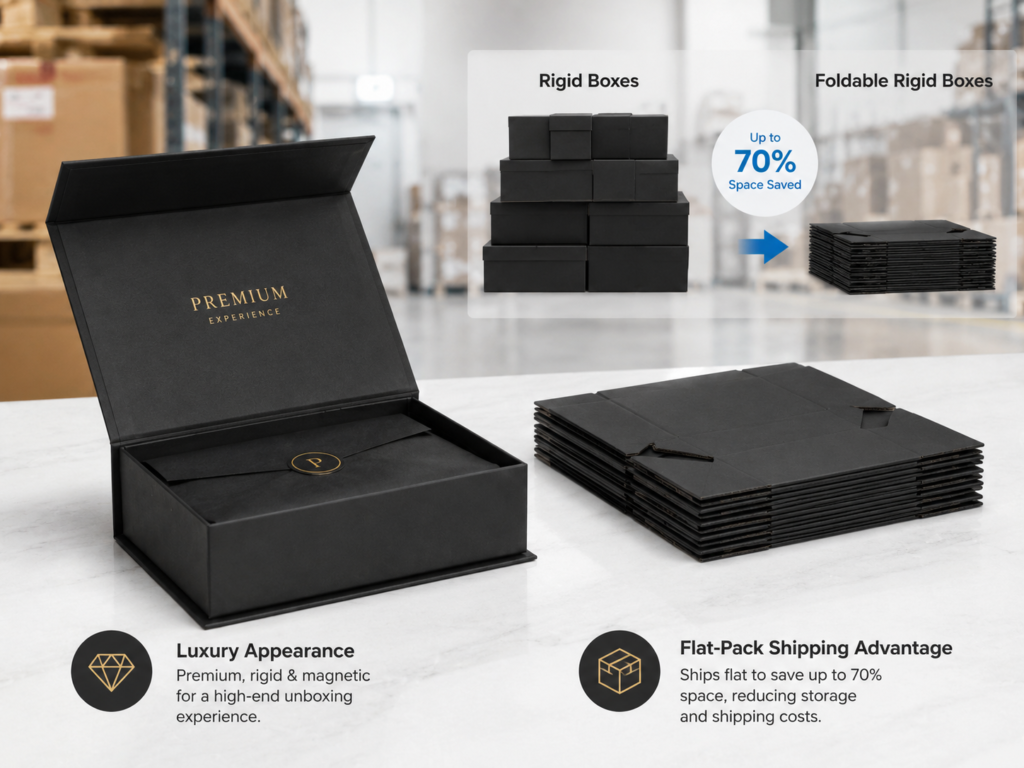
In addition, optimizing outer carton sizes is equally important. By carefully matching product dimensions with shipping carton sizes, companies can increase container loading efficiency, thereby reducing transportation costs and lowering carbon emissions.
Balancing Cost Control and Sustainability
Packaging cost optimization is not simply about reducing prices—it also involves improving material utilization and production efficiency. For example, by optimizing packaging structures, eliminating unnecessary materials, and adopting more efficient manufacturing processes, companies can reduce overall costs while maintaining packaging quality.
This approach—balancing cost efficiency with sustainability—is becoming an increasingly important strategy for many brands.
Conclusion
Companies that adapt to these trends early will gain a competitive advantage in the evolving global packaging market. Brands that embrace these trends will not only stay competitive but will also build stronger, lasting connections with their customers.