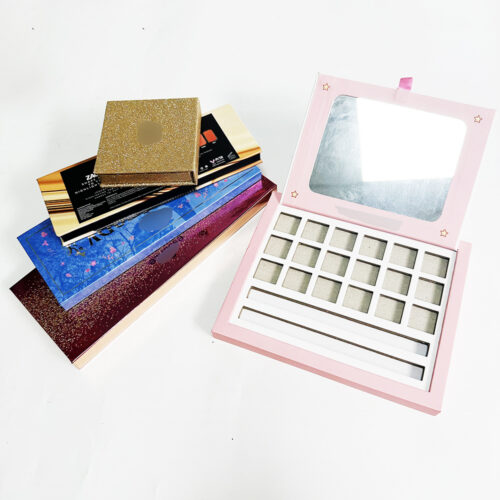
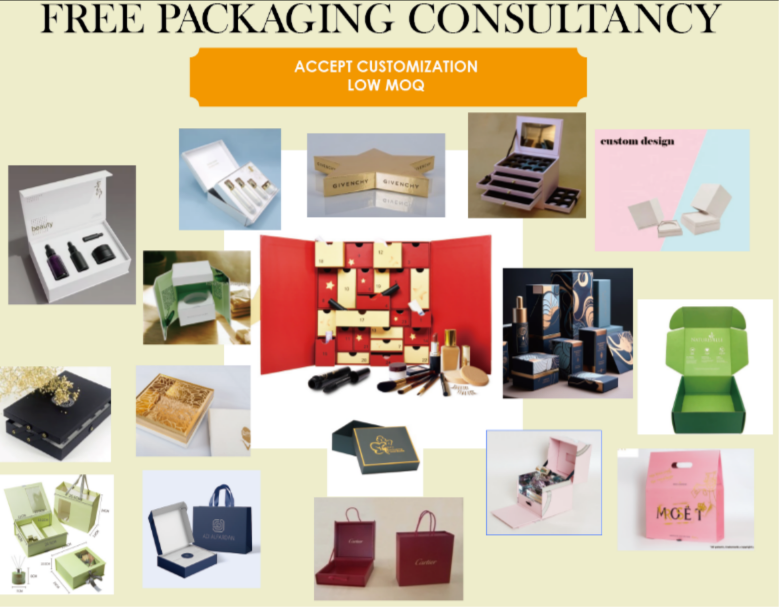
Custom packaging is more than appearance — it’s about getting the first impression right.
When packaging is thoughtfully designed, it does more than protect a product. It aligns with your brand tone, elevates perceived value, and upgrades the entire customer experience.
Well-executed packaging makes your product look premium at first glance, captures attention faster, and helps move customers from interest to purchase.
So where should you begin?
Choosing the right custom packaging means balancing design, durability, functionality, and brand expression. It starts with understanding your product — its fragility, size, and the story your brand wants to tell. From there, smart material choices and intentional design turn packaging into a true brand asset.
Whether you’re new to custom packaging or comparing multiple options, this guide helps you make clearer, more confident decisions.
What’s the First Step in Choosing Custom Packaging?
Start by defining what your packaging needs to achieve.
A clear goal ensures every design decision has purpose. It helps narrow choices, reduces trial-and-error, and keeps the final result focused and efficient.
Before moving forward, clarify your priorities:
- Is visual impact the top priority?
- Is product protection critical?
- Or do you need both, equally?
List the key factors upfront — product fragility, budget range, and brand style. This clarity quickly guides you toward the right materials, structure, and design direction.
The first rule is simple:
Know the role your packaging must play.
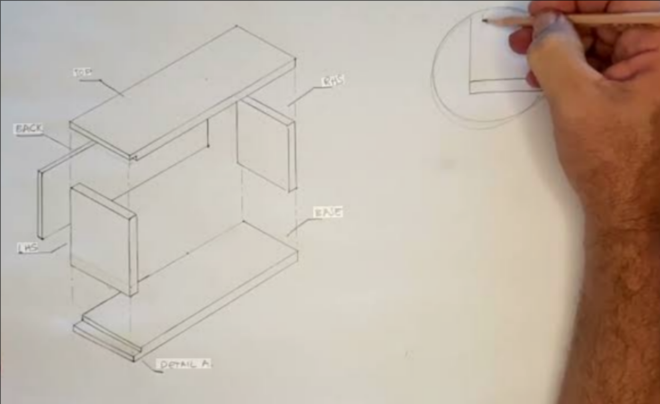
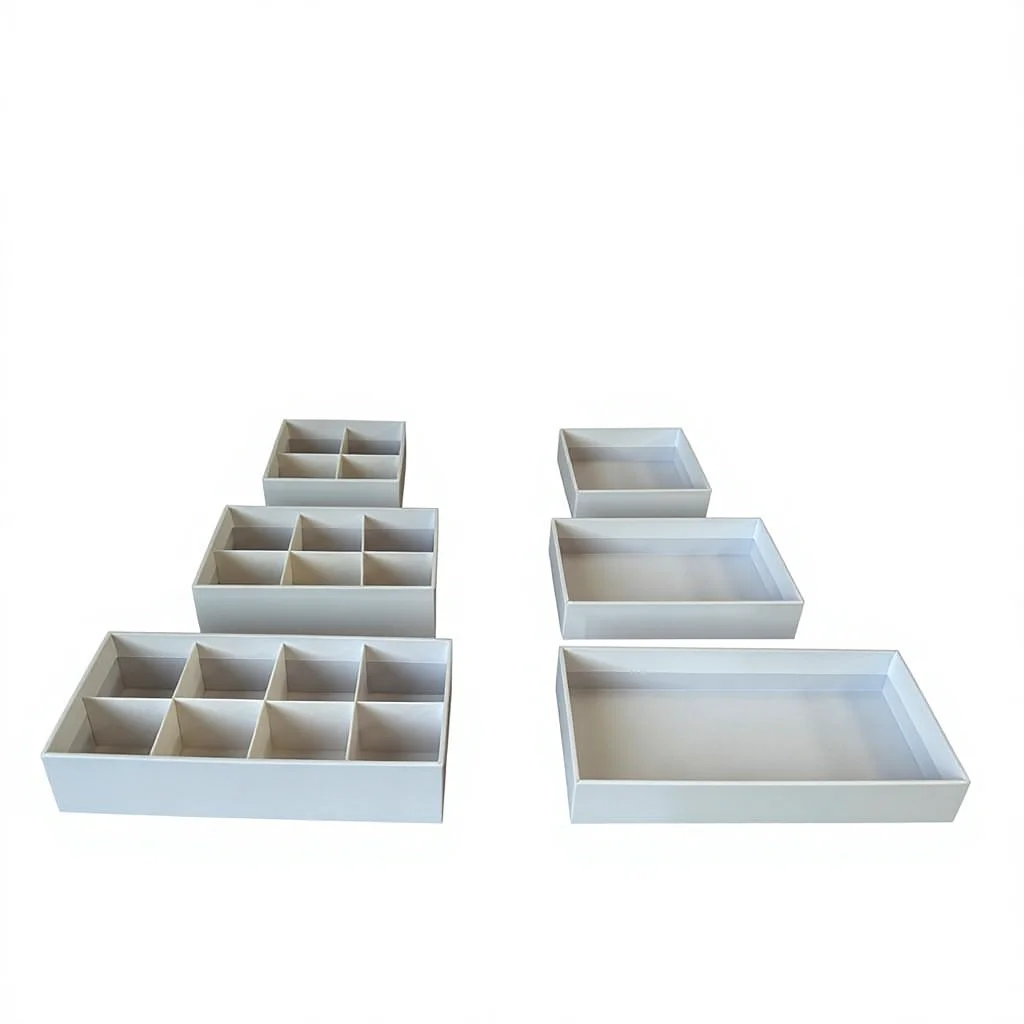
For example, fragile products demand protective solutions such as rigid boards or custom inserts. Once protection is secured, consider the impression you want to leave:
- Minimal, natural materials communicate sustainability and restraint
- Bold colors and distinctive structures suit lifestyle or trend-driven brands, grabbing attention instantly
To organize your thinking, ask these questions:
| Key Question | What to Consider |
|---|---|
| Does the product need extra protection? | Corrugated board, EVA, foam, molded inserts |
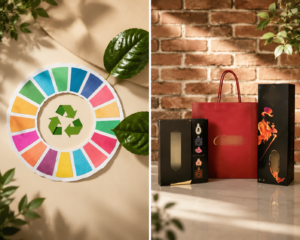
| Does the brand emphasize sustainability? | Recycled or biodegradable materials |
| Which visual style fits the brand? | Color, shape, texture supporting brand identity |
A small amount of upfront planning leads to packaging that is both functional and visually compelling.
How Do You Choose the Right Packaging Materials?
The right materials don’t just protect your product — they strengthen brand communication.
From eco-friendly paper to premium surface finishes, every brand has a material solution that fits its positioning.
When selecting materials, align product needs with brand values:
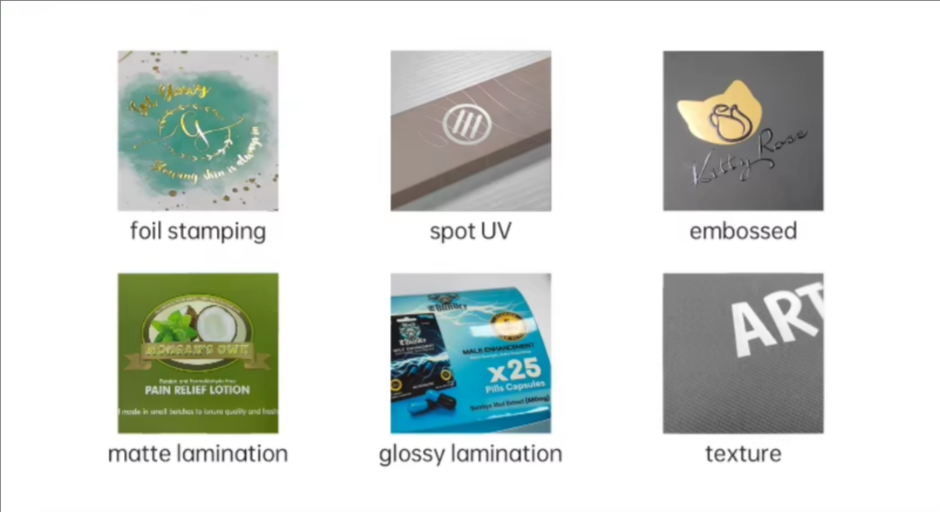
Material selection goes beyond aesthetics — it’s about protection, sustainability, and perception.
Typical material strategies include:
- Fragile products: Double-wall corrugated board, greyboard, EVA, EPE, blister inserts
- Lightweight products: Standard paperboard or cardstock
- Premium products: Soft-touch finishes, foil stamping, spot UV
Surface finishes dramatically change how packaging feels:
- Matte finishes feel refined and understated
- Gloss finishes feel modern and eye-catching
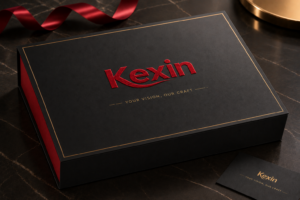
Add a foil-stamped logo, and the design instantly feels intentional and elevated.
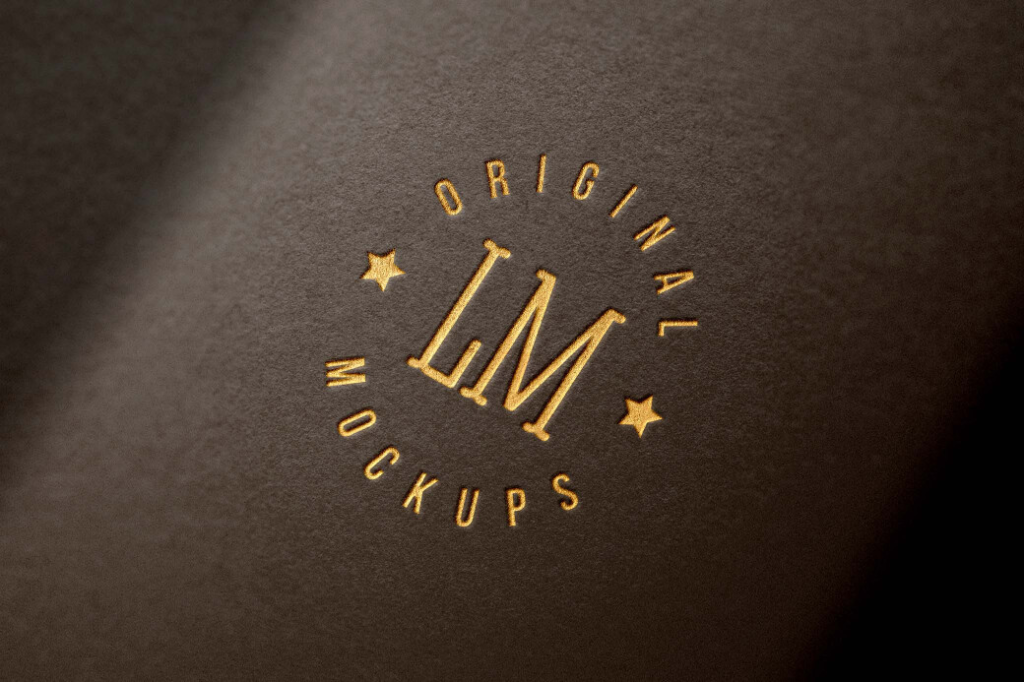
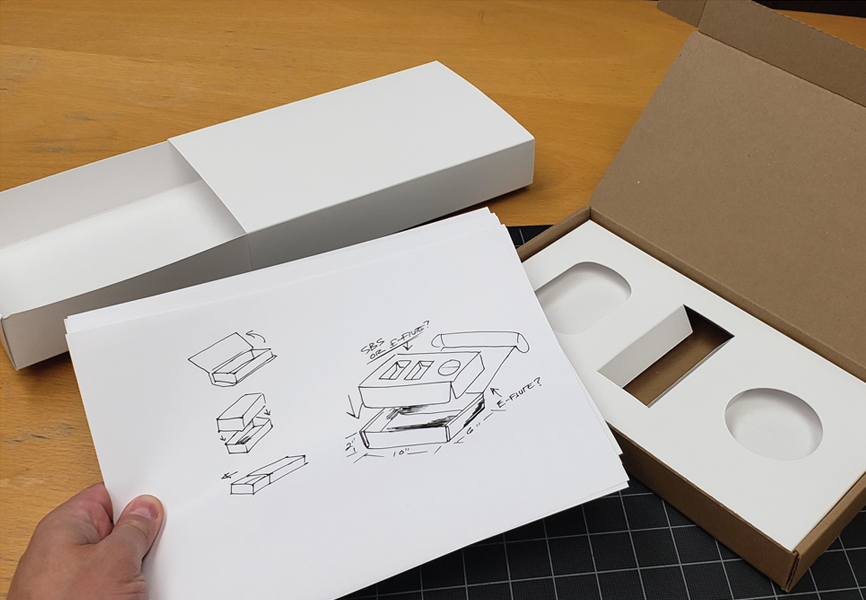
Sampling is strongly recommended. Prototyping helps you find the best balance between durability, cost, and visual impact.
Why Does Design Matter So Much in Custom Packaging?
Design is where packaging truly comes to life.
A cohesive, memorable design attracts attention, communicates your brand story, and makes your brand easy to recognize and remember.
Effective packaging design reflects brand identity and resonates with your target audience. Keep colors, typography, and logo usage consistent, then enhance recognition through thoughtful details — such as die-cutting, embossing, or inside printing.
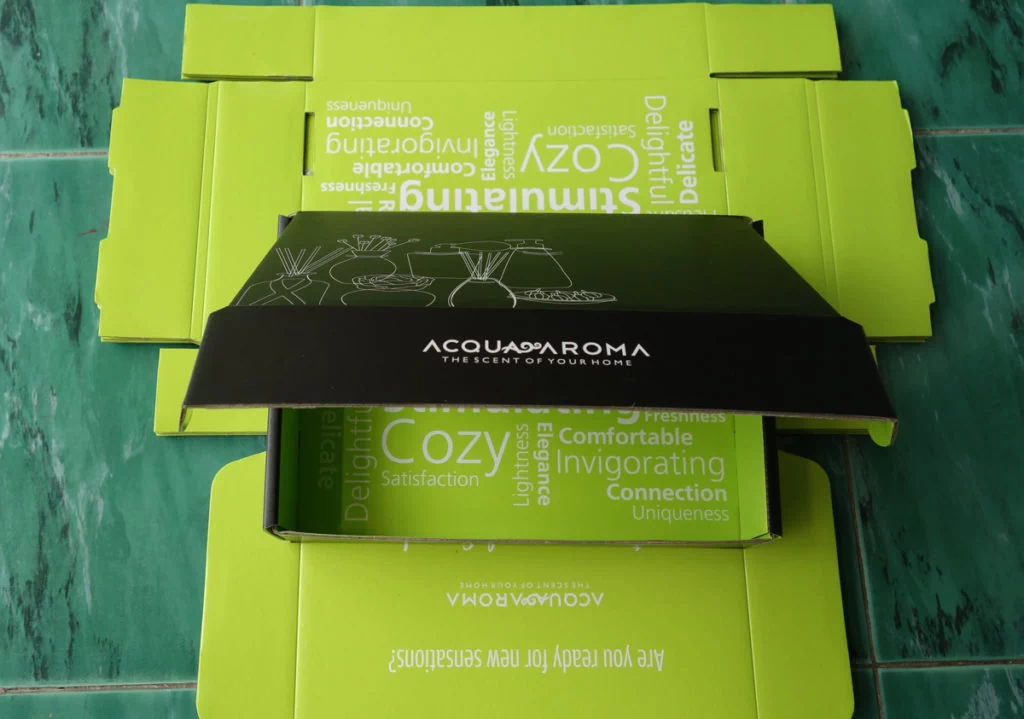
Key design elements that shape brand perception include:
- Color choice: High-saturation vs. low-saturation comparisons
- Typography: Clean, readable brand fonts
- Logo placement: Highlighted with special finishes
- Custom techniques: Die-cutting, embossing, inside printing
- Structural design: Creative openings and layered unboxing
The goal isn’t complexity — it’s instant brand recognition.
Apple’s packaging is a classic example. Premium materials, perfectly fitted inserts, clean white backgrounds, and subtle logos communicate value without excess decoration.
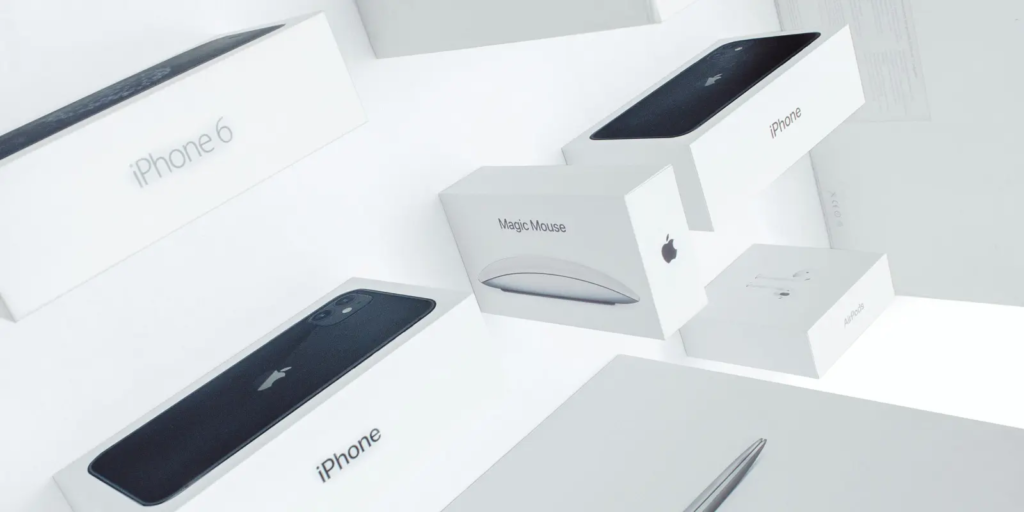
This simplicity requires precision, higher standards, and higher costs. Premium packaging always has a reason behind its price.
Brands in electronics and tech can adapt this philosophy to their own positioning and stand out in crowded markets.
How Does Custom Packaging Elevate the Unboxing Experience?
Unboxing is the first real moment of connection between your customer and your brand.
Custom packaging turns that moment from ordinary into memorable.
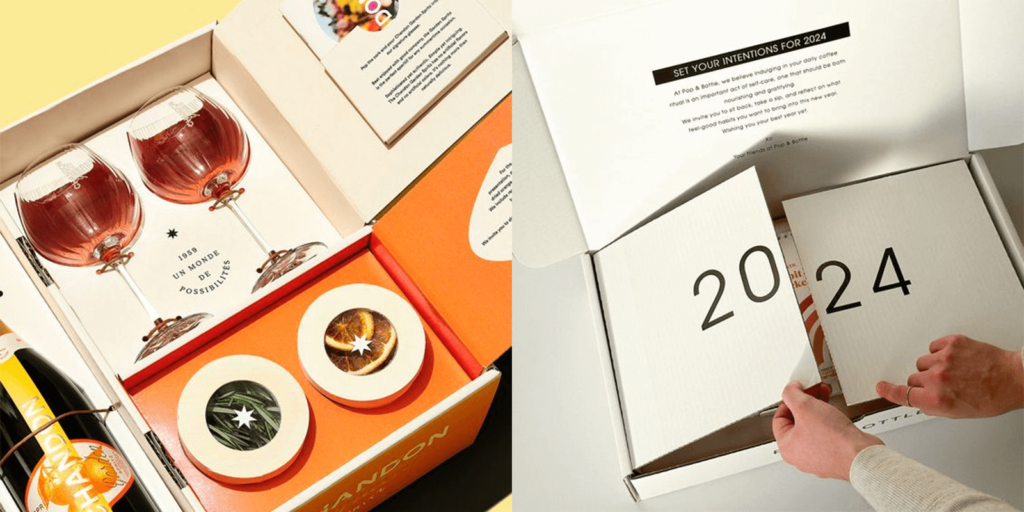
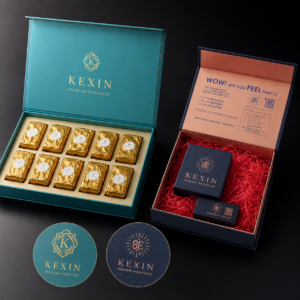
Materials, textures, graphics, structure, branded tissue paper, instruction cards, or thank-you notes all signal care and intention.
These details transform a simple purchase into an experience worth sharing — and strong unboxing experiences directly improve repeat purchase rates and brand loyalty.
Picture this:
A well-crafted box.
Branded tissue paper.
A subtle scent as the box opens.
A thoughtfully placed thank-you card — maybe even a small sample.
Elements that enhance unboxing include:
- Branded tissue paper
- Personalized cards
- Product samples
- Branded seals or stickers
- Subtle fragrance
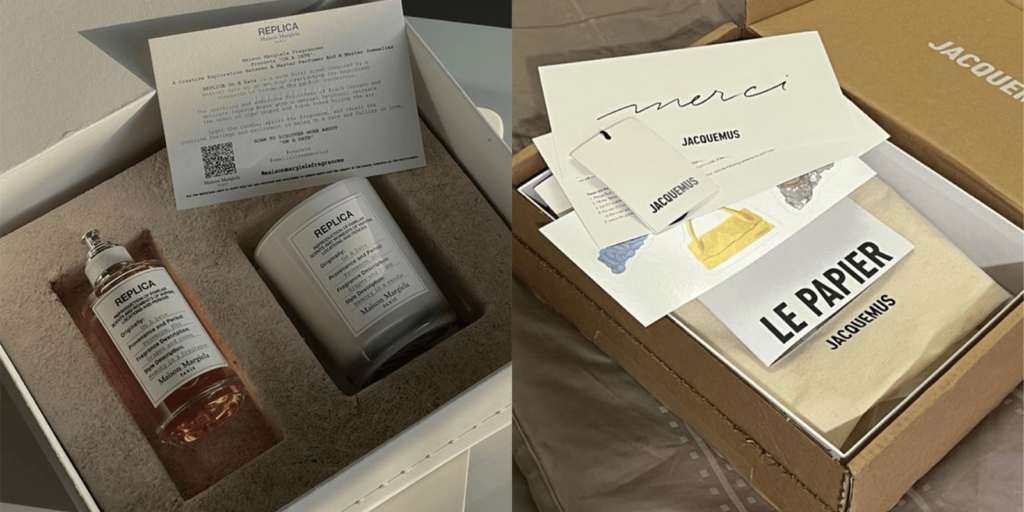
Together, these details create an experience customers want to photograph, share, and remember.
Conclusion
When custom packaging is taken seriously, it becomes a powerful brand asset — not an afterthought.
By approaching packaging strategically — from product needs and brand positioning to customer experience — your packaging becomes part of your brand story.
Connect with Kexin for tailored packaging solutions designed to help your brand be truly seen, felt, and remembered.
Get a Free Quote
Ready to choose the right paper and packaging solution for your project?
Reach out to Kexin Packaging for a free professional consultation. From material selection to mass production, your project is supported end-to-end — helping your brand stand out with every delivery.
📩 sandy.liu@kexinpackaging.com
Let’s elevate your brand through custom printing and packaging — the right way.