Packaging Trends Forecast for 2026
From “Packaging” to a Complete Brand System
By 2026, packaging is no longer just a protective container. It has evolved into a strategic business system that drives brand differentiation, sustainability credibility, user experience, and long-term repurchase behavior.
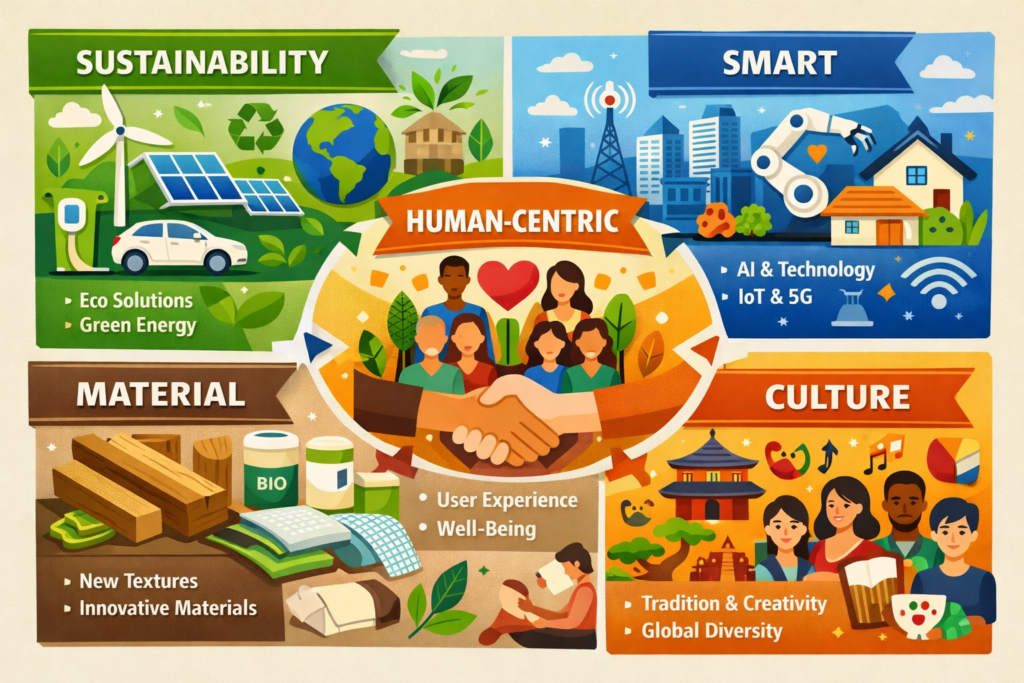
Packaging trends in 2026 are shaped by the convergence of environmental responsibility, intelligent technology, human-centric design, material innovation, and cultural expression.
Especially in healthcare, gifting, and high value-added consumer sectors, packaging has become one of the most visible and immediately perceived components of brand competitiveness.
Brands that truly understand these trends—and can execute them effectively—will gain stronger market recognition, deeper consumer trust, and a more stable foundation for long-term growth.
🌱 1. Sustainability Is No Longer Optional — It’s the Entry Requirement
From Green Messaging to Full Lifecycle Design
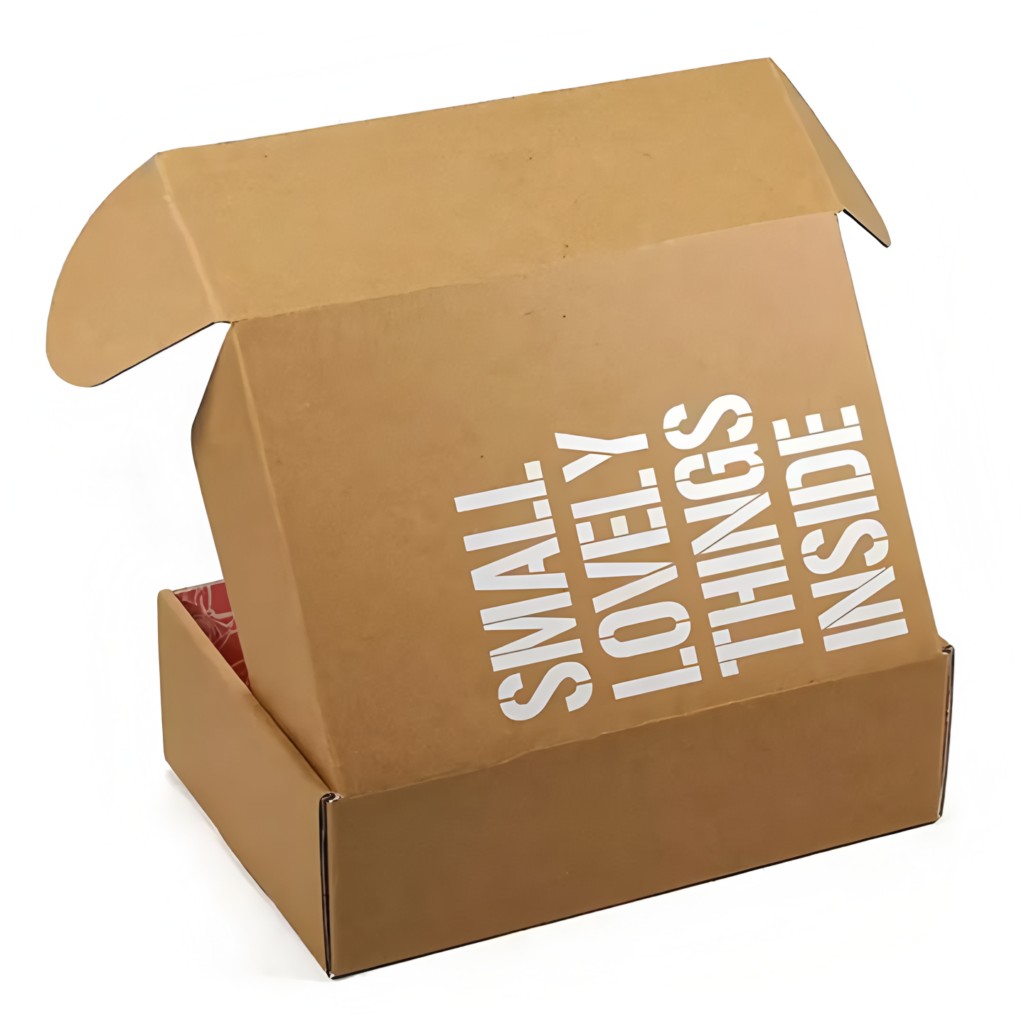
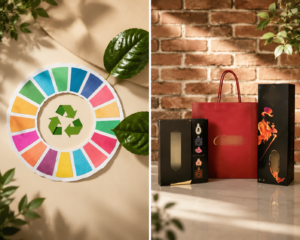
By 2026, sustainable packaging has become the default expectation, not a differentiator.
Consumers, distributors, and international markets now share the same baseline standards:
Recyclable, compostable, mono-material packaging structures are rapidly replacing complex multi-material constructions.
Key Developments:
Material Innovation
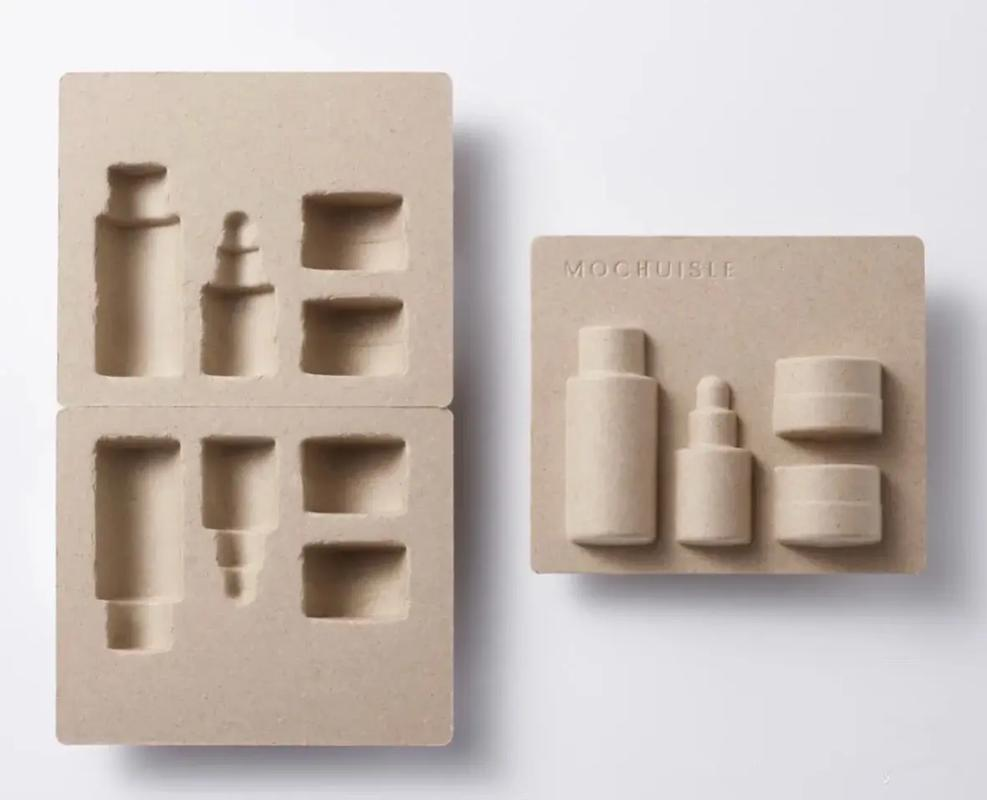
- Mono-material packaging can achieve recycling rates above 90%
- Bio-based materials (plant-based, mycelium, algae) are entering scalable production
- In some cases, carbon footprints are reduced by over 60%
Circular Design Systems
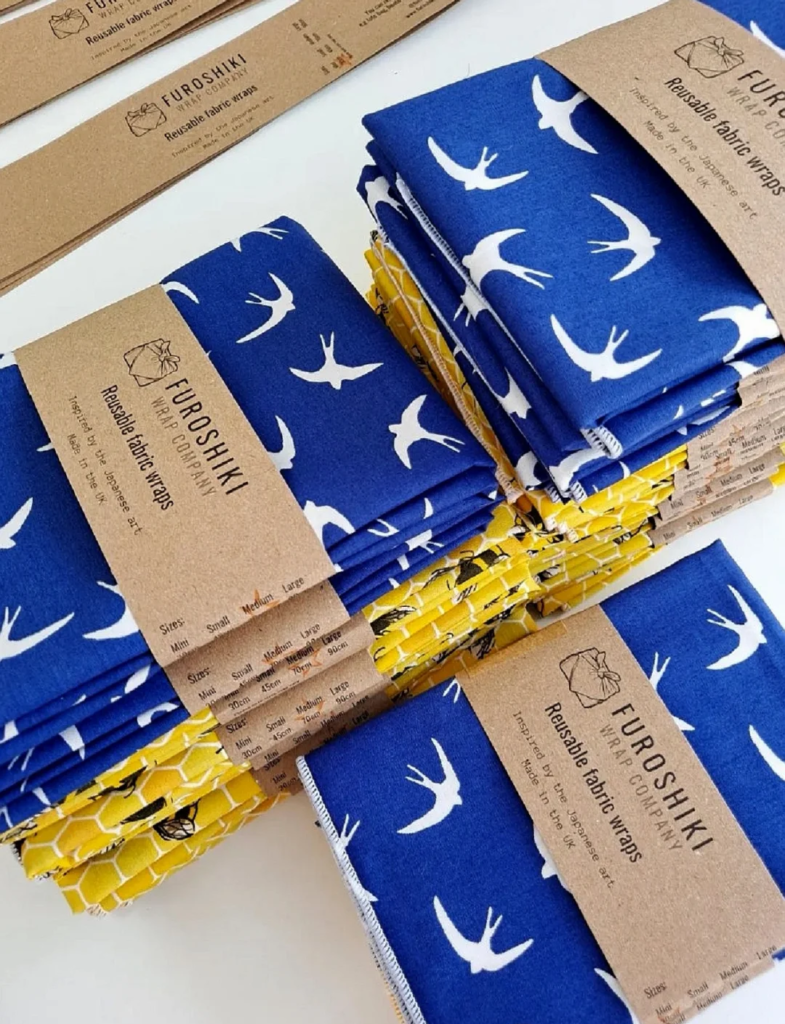
- Refillable and reusable packaging structures are moving from premium segments into mass markets
- These designs directly contribute to higher repurchase rates
Transparency & Compliance
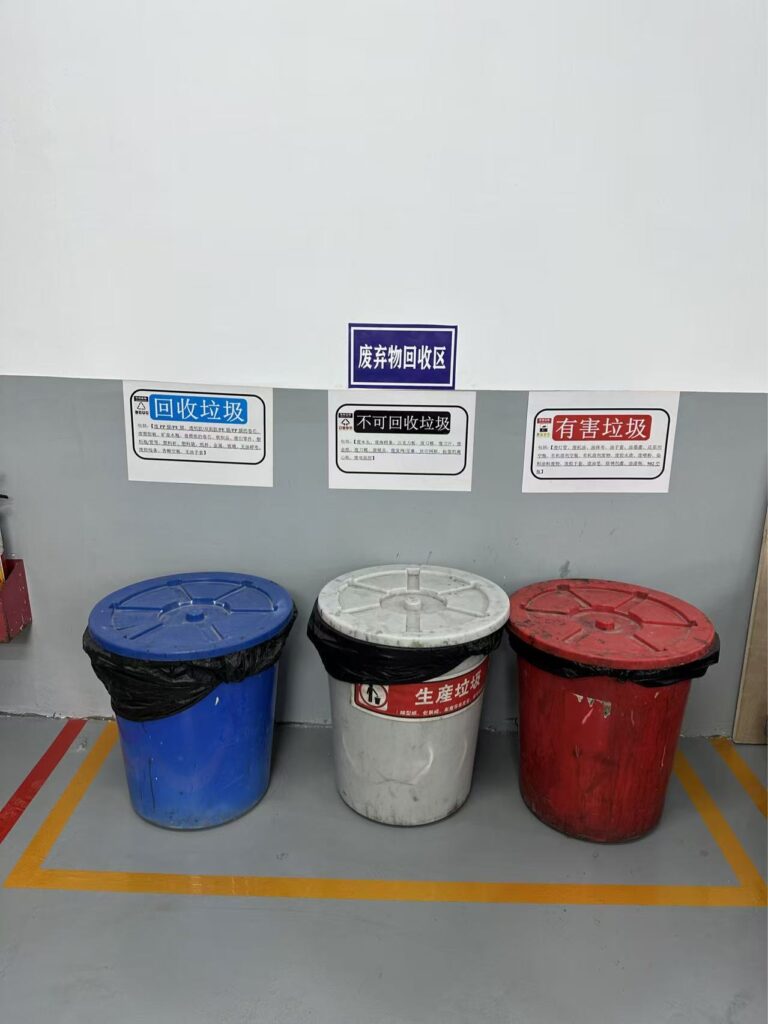
- Carbon footprint labels and sustainability disclosures are no longer “nice to have”
- They are becoming mandatory requirements for global market access
Business Value for Brands:
- Building a credible and verifiable sustainability image
- Proactively addressing increasingly strict global regulations
- Reducing total system costs without compromising quality
Sustainable packaging is not a new concept—but in 2026, it becomes a structural industry shift, not a short-term trend.
Those who move with the trend define their position in the market.
Those who understand it early are more likely to lead—rather than follow.
From material suppliers to packaging manufacturers, brand owners, and distributors, the entire supply chain is entering a self-reinforcing ecosystem:
material innovation drives packaging upgrades, packaging enhances brand value, and brand demand accelerates upstream innovation.
In this loop, seizing the moment means securing a position in the next wave of profit growth.
Green packaging is evolving from a responsibility into a true growth engine.
🌍 2. Mono-Material Structures × Circular Design Become the Standard
One of the defining trends of 2026 is making packaging simpler—and more premium at the same time.
By unifying material types and eliminating unnecessary structural complexity, packaging becomes clearer in recycling efficiency, visual communication, and brand logic.
This approach is increasingly the shared language of brands that are rational, premium, and responsible.
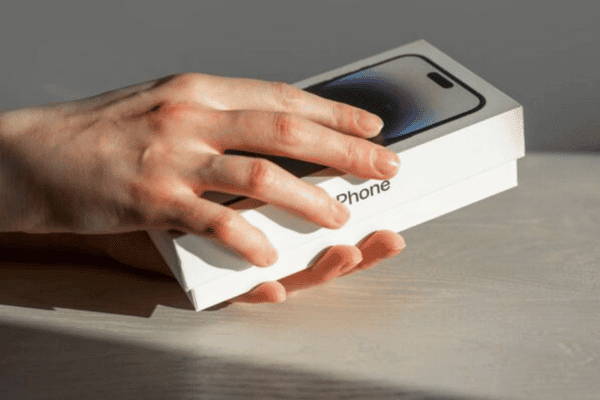
A clear reference point is Apple’s packaging strategy.
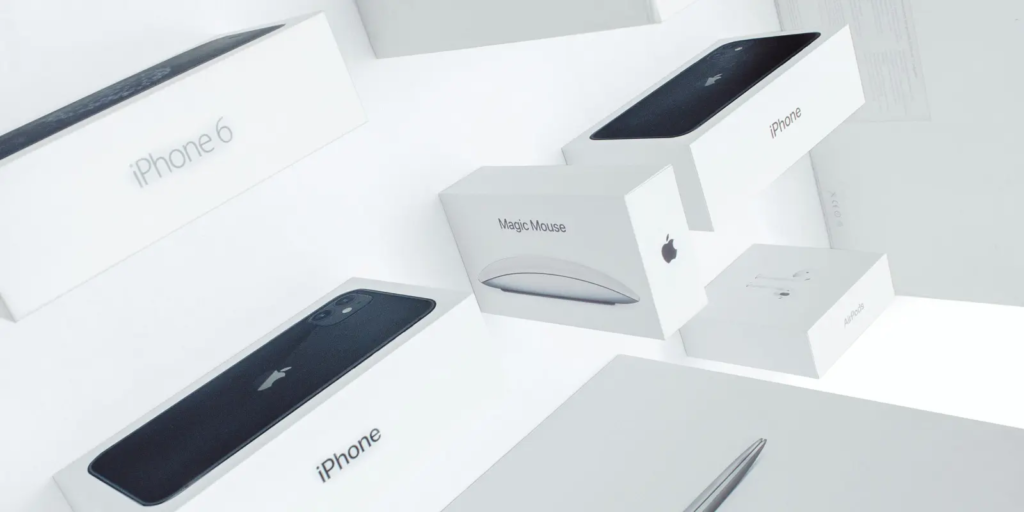
Studying how global leading brands evolve their packaging is often the most effective way to understand where the industry is heading.
In recent years, Apple’s packaging has consistently moved toward:
minimalism, material unification, structural rationality, and recycling efficiency.
Every design decision supports three goals:
better recyclability, stable product protection, and a consistent brand experience.
Business Value for Brands:
- Reduced recycling and sorting complexity
- Optimized material and process cost structures
- Enhanced professional and trustworthy shelf presence
Trends are first validated by market leaders.
The real opportunity belongs to companies that can translate insight into execution.
🤖 3. Smart Packaging: From Information Carrier to Service Gateway
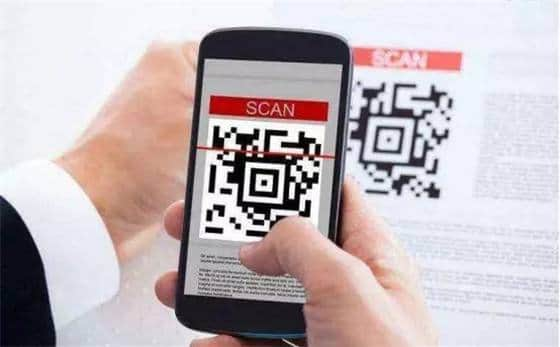
Packaging is transforming from a static display into a digital connection point between brands and consumers.
The rapid expansion of AI has reshaped nearly every industry, and packaging is no exception.
QR codes, NFC, and smart verification systems are redefining how brands interact with users.
Initially, AI in packaging focused mainly on content personalization—
different visuals for different consumer groups.
Today, its influence extends far deeper into the packaging supply chain:
design generation, product visualization, animation, content marketing, and even sales support.
For manufacturers, AI significantly reduces labor costs while increasing efficiency and visual output—sometimes to the point of being indistinguishable from reality.
However, technology is always a double-edged sword.
When everyone uses AI, competition risks shifting toward tool proficiency rather than real capability.
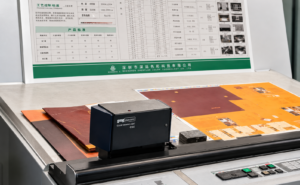
Yet packaging factories ultimately deliver physical, producible, scalable packaging, not AI renderings.
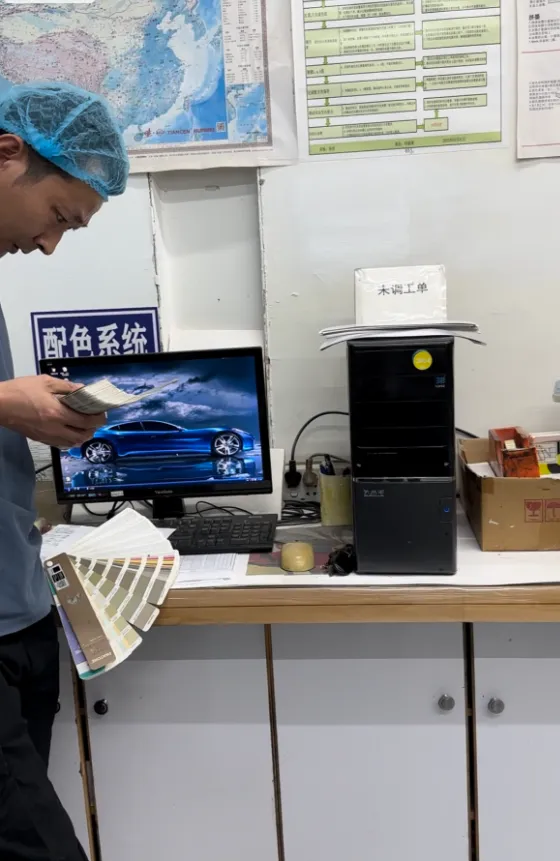
It is increasingly common to see designs that look perfect on screen—but are impossible to manufacture.
For buyers, another challenge emerges:
How to distinguish real factories from AI-generated content?
How to verify whether a packaging case was truly mass-produced or simply digitally created?
The Core Question for 2026:
How to balance AI efficiency with real, reliable, and manufacturable output.
Real Business Value of Smart Packaging:
- Extending consumer interaction beyond the purchase moment
- Strengthening trust and brand engagement
- Delivering more high-value information without increasing packaging size
AI should not replace expertise—it should support it.
True packaging value still comes from deep understanding of products, structures, materials, and real usage scenarios, combined with insight into human behavior.
When technology is used in the right place, smart packaging becomes a credible bridge between brands and consumers—enhancing experience without adding burden.
✨ 4. Purpose-Driven Minimalism, Not Just “Less Design”
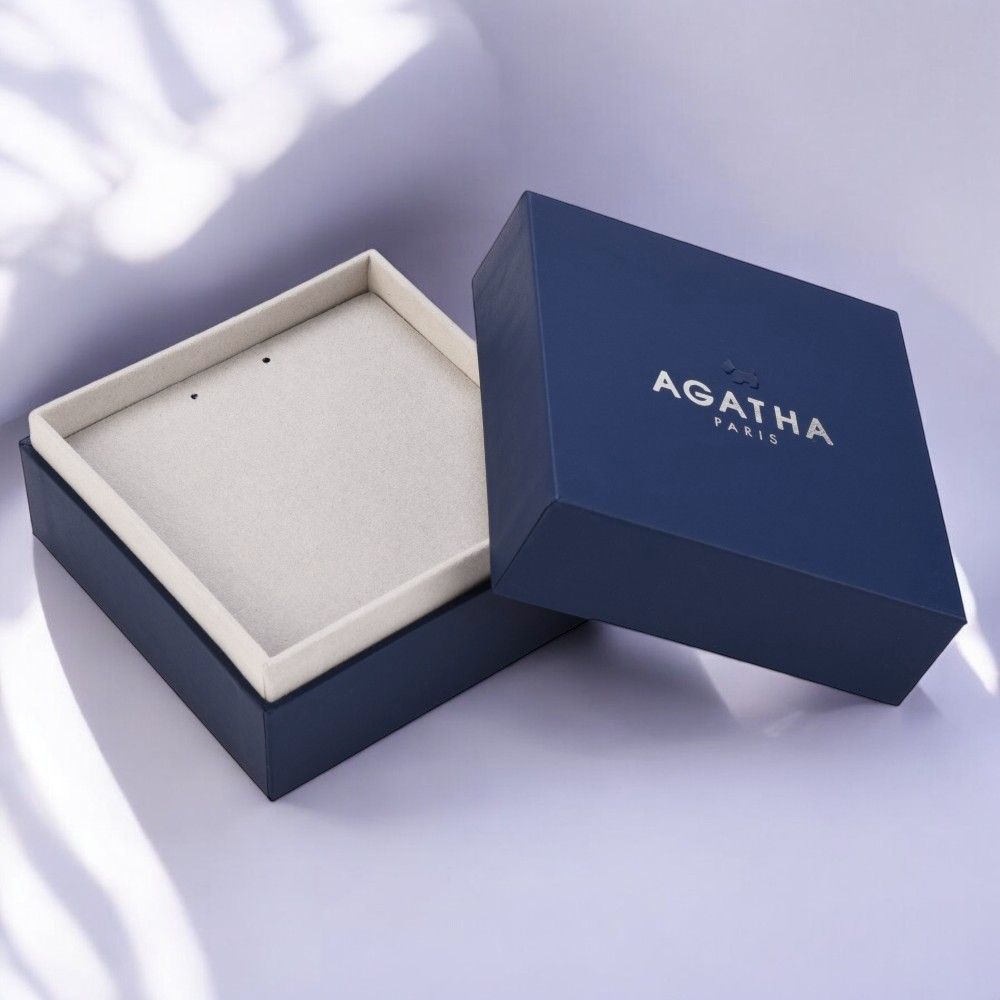
In 2026, minimalism enters a strategic phase.
It is no longer just an aesthetic preference, but a tool that helps consumers understand product value within 3–5 seconds.
Packaging must immediately answer:
What is the key benefit?
Is it sustainable?
Is it professional?
Is it trustworthy?
Through controlled color use, clear information hierarchy, and precise visual focus, minimalist design improves efficiency, clarity, and premium perception.
Business Value:
- Faster purchase decisions at point of sale
- Lower design and production complexity
- Stronger memory of core selling points
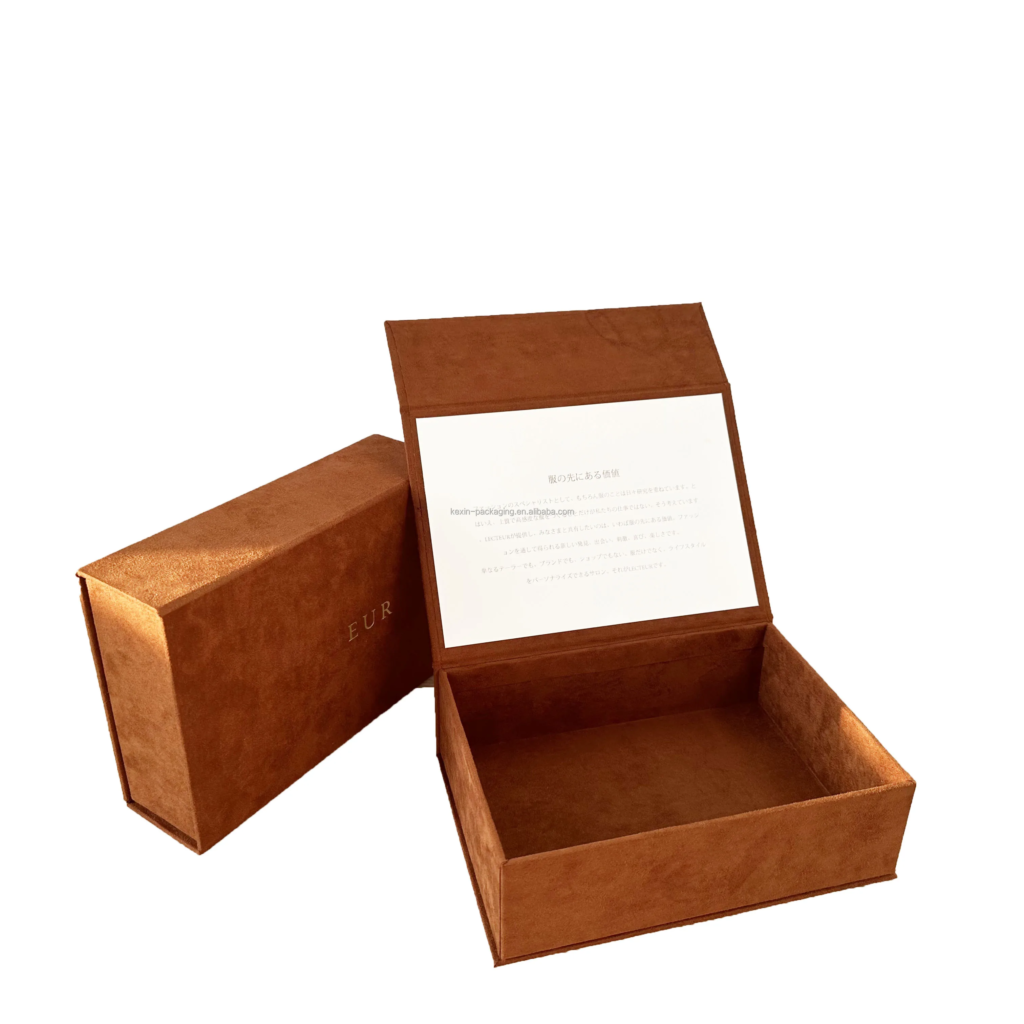
True minimalism is not about removing elements—it’s about communicating value with precision.
Dior’s classic packaging system is a strong example: white tones, textured paper, embossed logos—simple, mature, and unmistakably premium.
🔍 5. Sensory-Friendly Design × Premium Tactile Experience
From “Looks Premium” to “Feels Right”
By 2026, premium packaging relies less on visual impact and more on tactile trust.
Soft-touch finishes, textured papers, embossing, and matte coatings are replacing excessive visual stimulation.
When consumers physically hold a product, the sense of weight, texture, and restraint often speaks louder than graphics.
In an era of visual fatigue, quiet, well-crafted tactile experiences stand out.
Two Key Directions:
Material-Led Quality Perception
Paper texture, thickness, resilience, and resistance strongly influence perceived value.
Inclusive, Sensory-Friendly Design
- Larger fonts and higher contrast for readability
- Easy-open structures to reduce frustration
- Controlled color palettes to reduce sensory stress
These choices may not be loud—but consumers notice immediately.
Business Value:
- Higher perceived product value and pricing power
- Differentiation in highly homogeneous markets
- Memorable unboxing experiences that drive repeat purchase
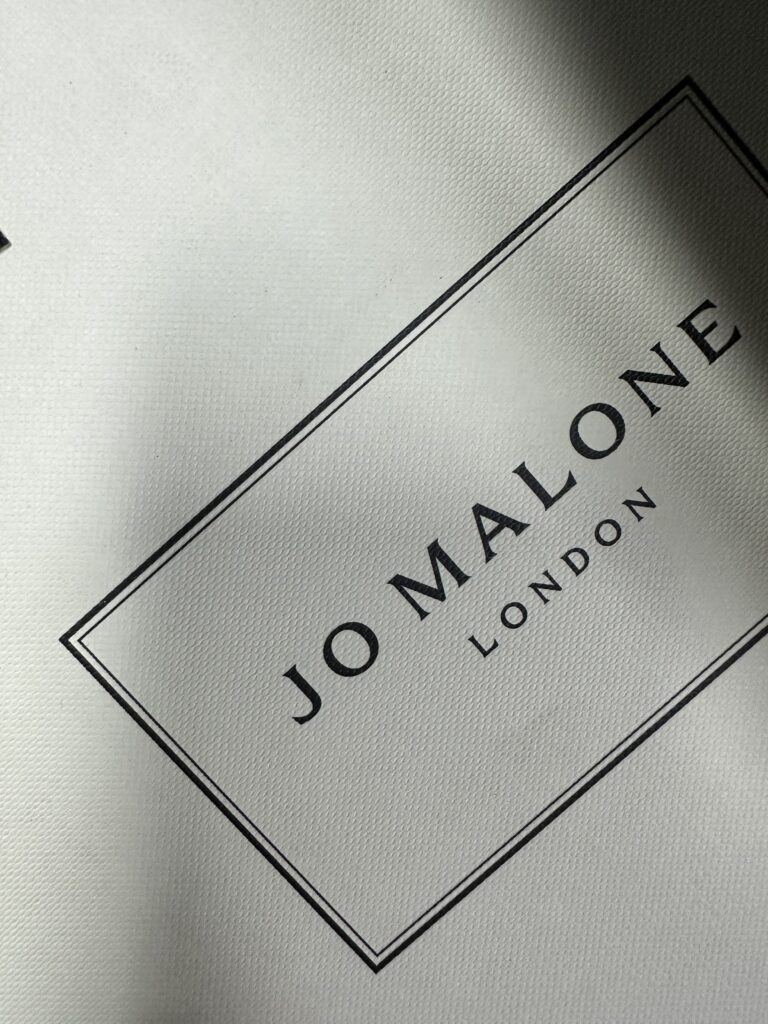
Jo Malone gift packaging is a classic example: textured paper, restrained color, consistent interior language—designed not to impress instantly, but to build trust through touch.
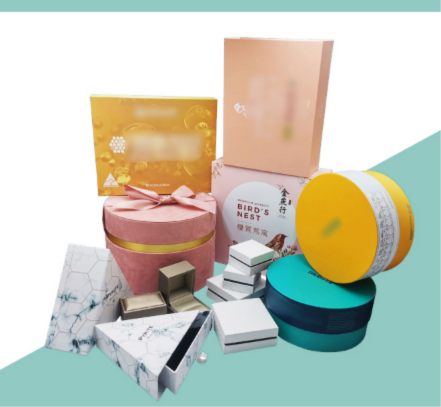
📊 6. Structural Innovation with Function as Priority
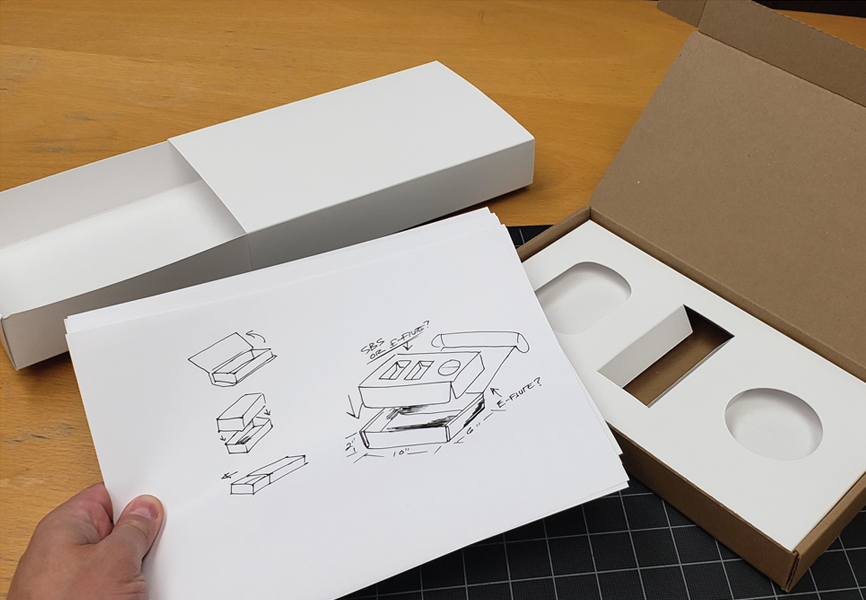
From “Nice-Looking” to “Easy-to-Use”
Packaging structures continue to evolve, but core functions remain unchanged:
protection, transportation, storage, and unboxing experience.
Innovation lies in optimizing these functions, not replacing them.
Whether rigid boxes, book-style boxes, or folding structures, all structural evolution is driven by efficiency and user experience.
Business Value:
- Improved logistics and storage efficiency
- Better end-user handling
- Reduced after-sales costs and damage rates
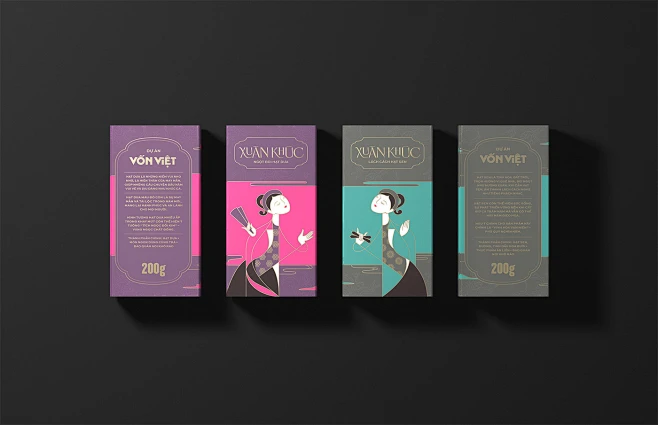
🎎 7. Cultural Expression × Visible Trust
In 2026, culture is no longer decoration—it is a value language.
Eastern aesthetics, traditional patterns, and intangible cultural heritage are being reinterpreted through modern design.
At the same time, certifications, traceability, and compliance information are presented clearly—making trust visible.
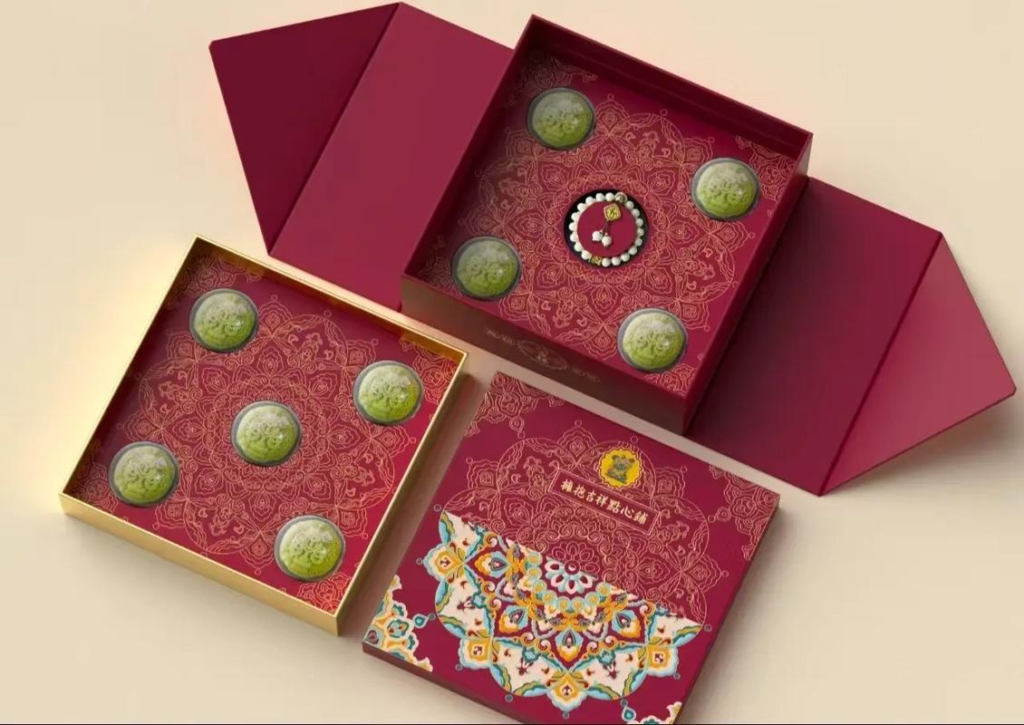
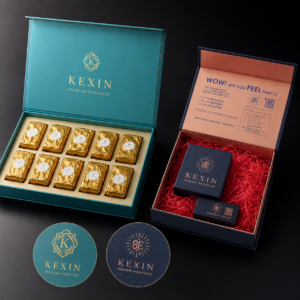
Mid-Autumn Festival mooncake packaging is a strong example, where cultural symbolism, festive emotion, and packaging design align seamlessly.
Business Value:
- Stronger cultural premium and brand depth
- Increased consumer trust
- Higher acceptance in international markets
📌 Key Takeaways for Brands
Packaging in 2026 stands at the intersection of sustainability, technology, experience, and culture.
It is no longer a cost item—but:
👉 The first point of brand trust
👉 The starting point of user experience
👉 A long-term growth asset
Choosing packaging partners who truly understand these trends—and can execute them reliably—allows packaging to deliver sustained commercial value for your brand.