How to Choose a Reliable Packaging Supplier: 5 Key Tips
Have you ever experienced this?
A newly selected supplier turns out to be unreliable—production problems, quality issues, unanswered calls, and messages left on read when something goes wrong.

Many clients have shared similar frustrations. And the truth is, these problems are rarely accidental. In most cases, the warning signs were already there before the cooperation started.
Choosing the right packaging supplier is critical. It directly affects:
- Whether your project runs smoothly
- Whether deliveries are on time
- Whether product quality stays consistent
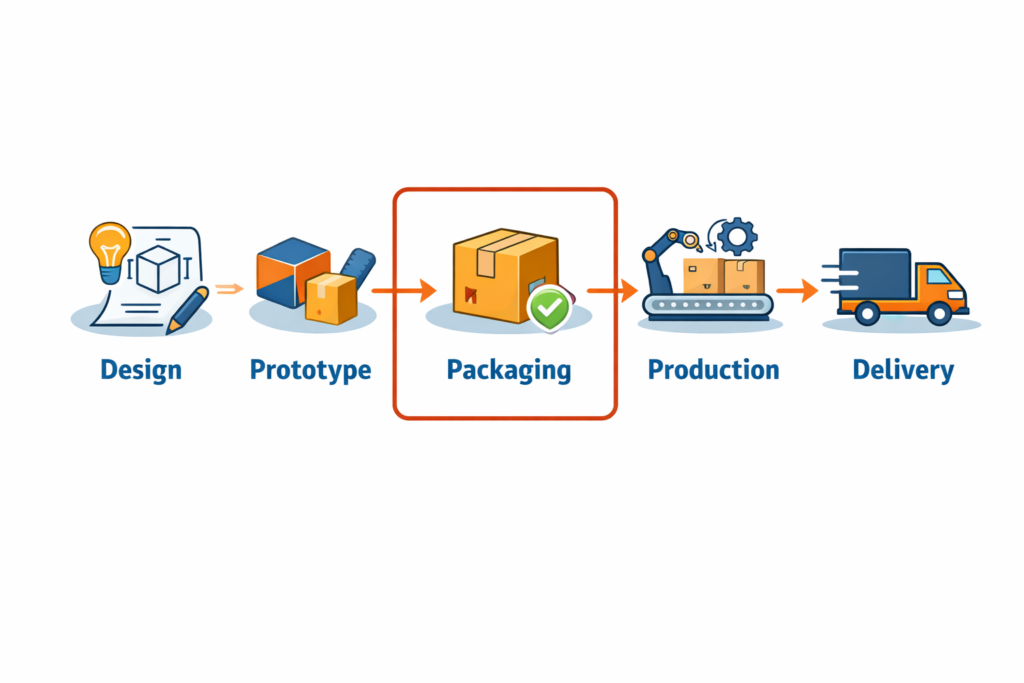
The real challenge is this: How do you identify a truly reliable partner before problems happen?
You shouldn’t wait until production is delayed, quality fails, or the supplier disappears before realizing you made the wrong choice.
To help you avoid unnecessary detours and costly mistakes, here are several practical criteria you can use before cooperation to evaluate whether a packaging supplier is truly reliable.
What to Evaluate When Choosing a Reliable Packaging Supplier
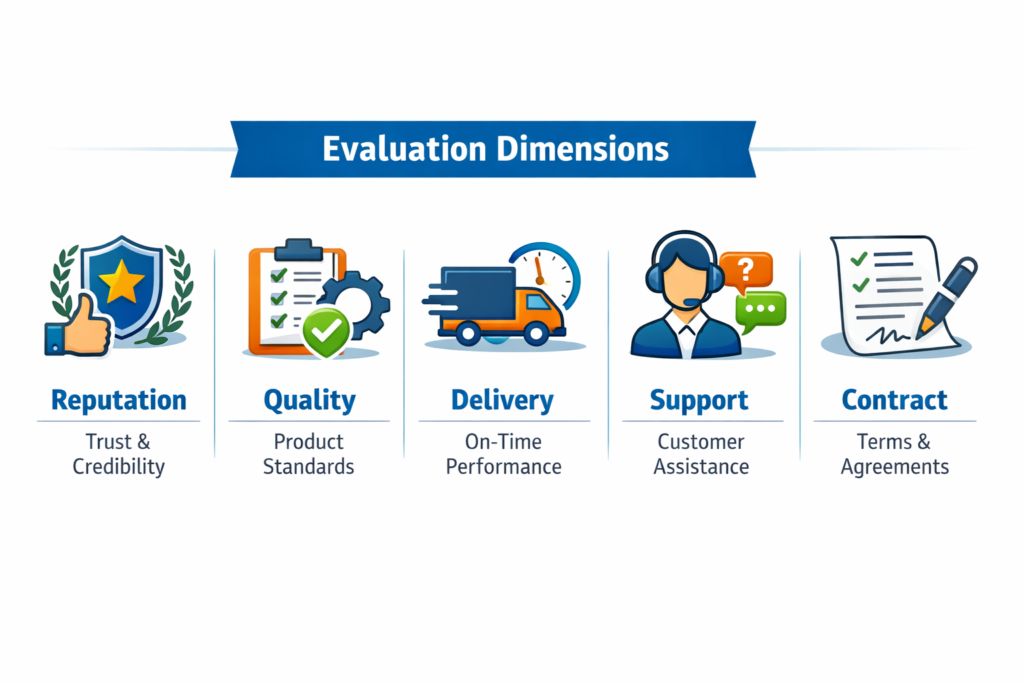
A dependable packaging supplier typically performs well in these key areas:
- Industry reputation
- Quality standards and management systems
- Delivery and production capability
- Customer support and communication
- Sampling and mass-production consistency
- And just as important: clear contracts with real accountability
A trustworthy supplier doesn’t just reduce communication friction and delays—they help protect your brand and support long-term growth.
Let’s break it down step by step.
Why Does a Supplier’s Reputation Matter?
A supplier’s reputation is often the most direct indicator of their reliability, professionalism, and service attitude.
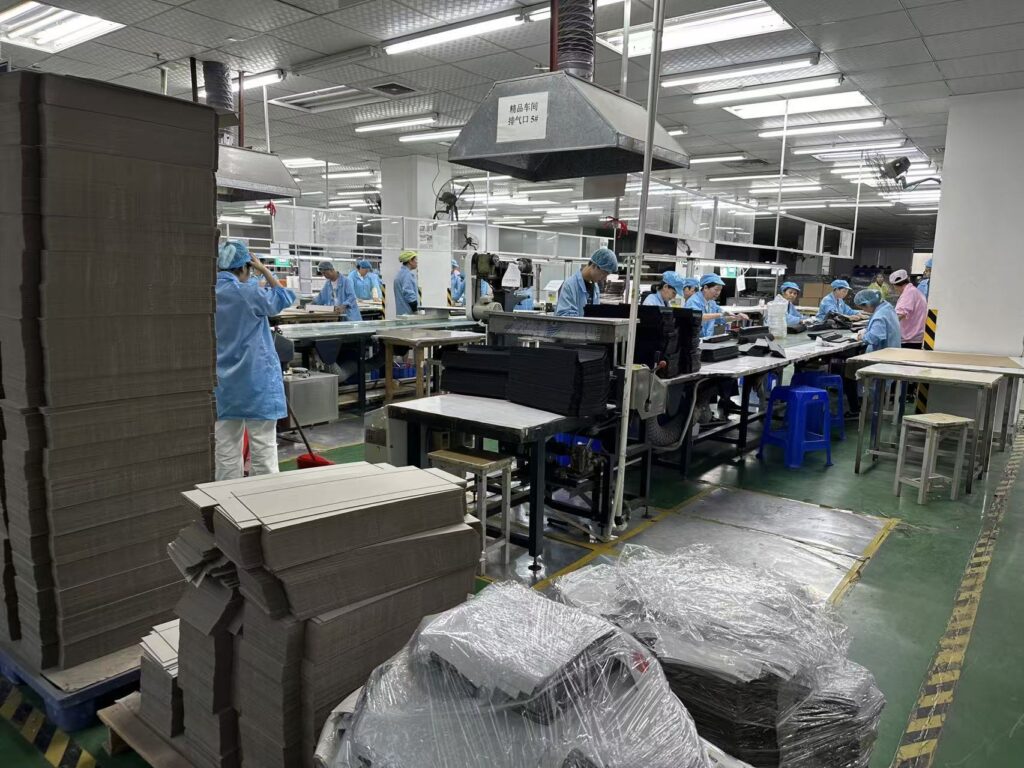
Reputable suppliers usually have:
- Genuine customer reviews built over time
- Long-term cooperative clients
- Basic and compliant industry certifications
These signals show whether a supplier can deliver consistently and take responsibility.
How Should You Read Online Reviews?
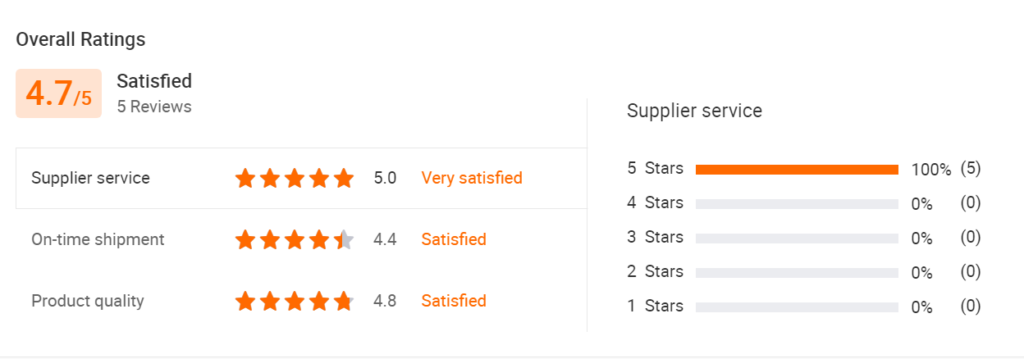
Many buyers think:
“This supplier has only positive reviews—no complaints at all. They must be excellent.”
In reality, this is often a red flag.
Custom packaging production is complex and detail-heavy.
For any factory with years of experience, having zero issues or complaints is unrealistic.
Overly perfect data is often unreliable.
Suppliers with a few real, reasonable complaints—and clear responses and solutions—are often more trustworthy.
Problems in packaging production are normal. What truly matters is:
- Whether the supplier faces issues directly
- Whether they solve problems responsibly
- Whether they improve and prevent recurrence
A supplier with accountability and problem-solving ability is far more valuable than one that looks flawless on paper.
How Do Quality Standards Affect Supplier Reliability?
High quality standards reflect a supplier’s long-term commitment to consistency and professional management.
First: Check Certifications
Reliable packaging suppliers typically hold certifications such as:
- ISO 9001 (Quality Management System)
- FSC Certification (Sustainable Forestry Management)
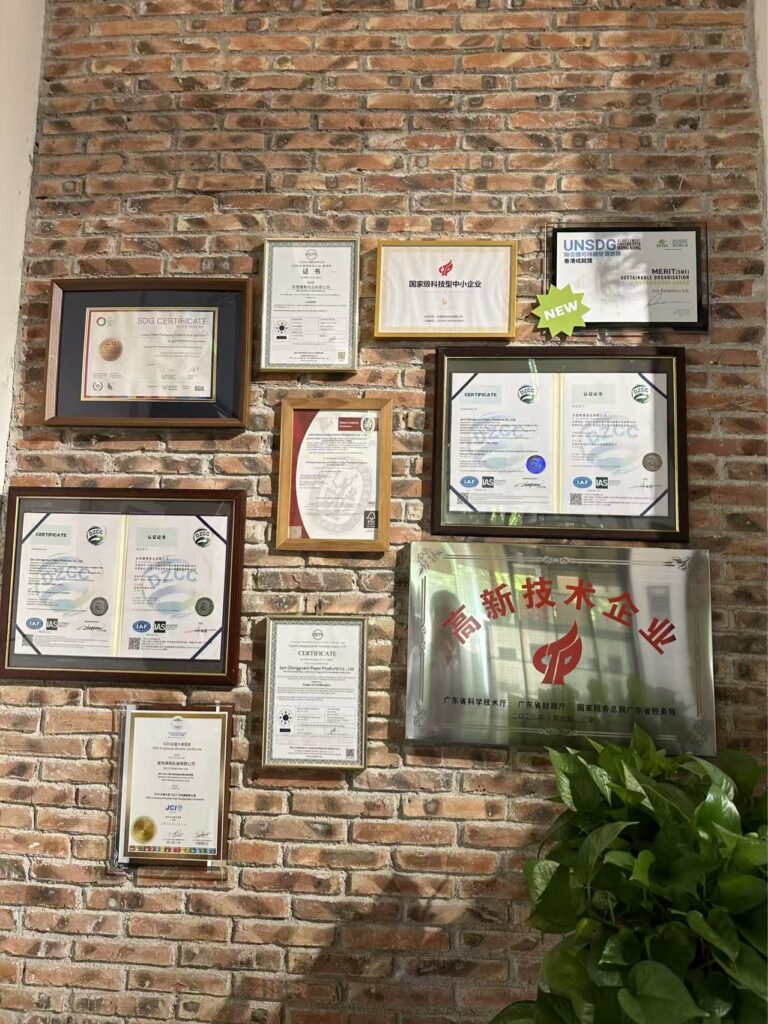
These are not marketing labels. They indicate structured processes, quality control awareness, and basic environmental responsibility.
Second: Review the QC System
A mature supplier usually has a complete quality inspection process, including:
- SCQM-supply chain quality management
- IQC-Incoming material Quality inspection
- IPQC-In-process checks
- Random inspections and patrol inspections
- OQC-Final product inspection
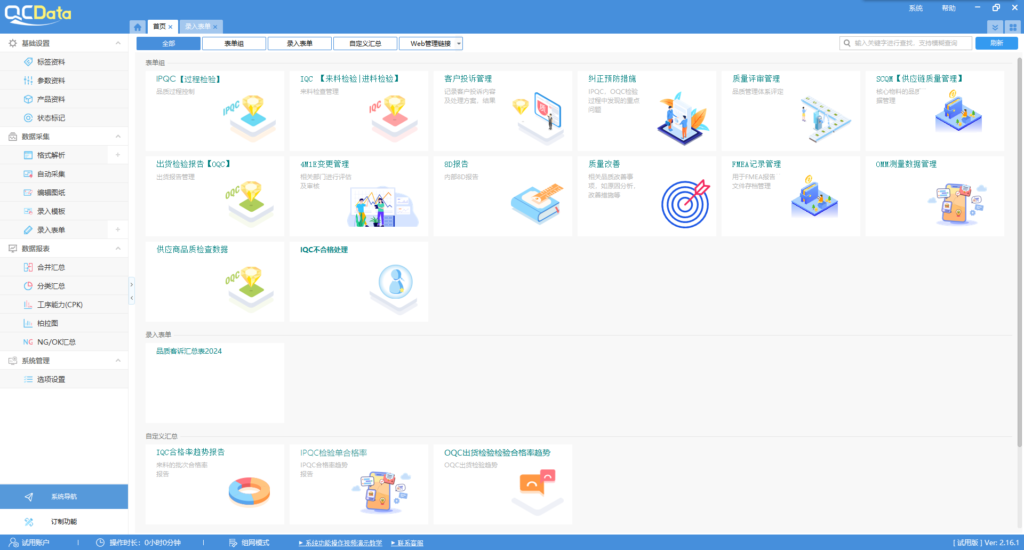
From raw material sourcing to finished goods, every step should be supervised by responsible professionals. This is a key sign of a stable and trustworthy supplier.
Third: Look at Complaint Handling
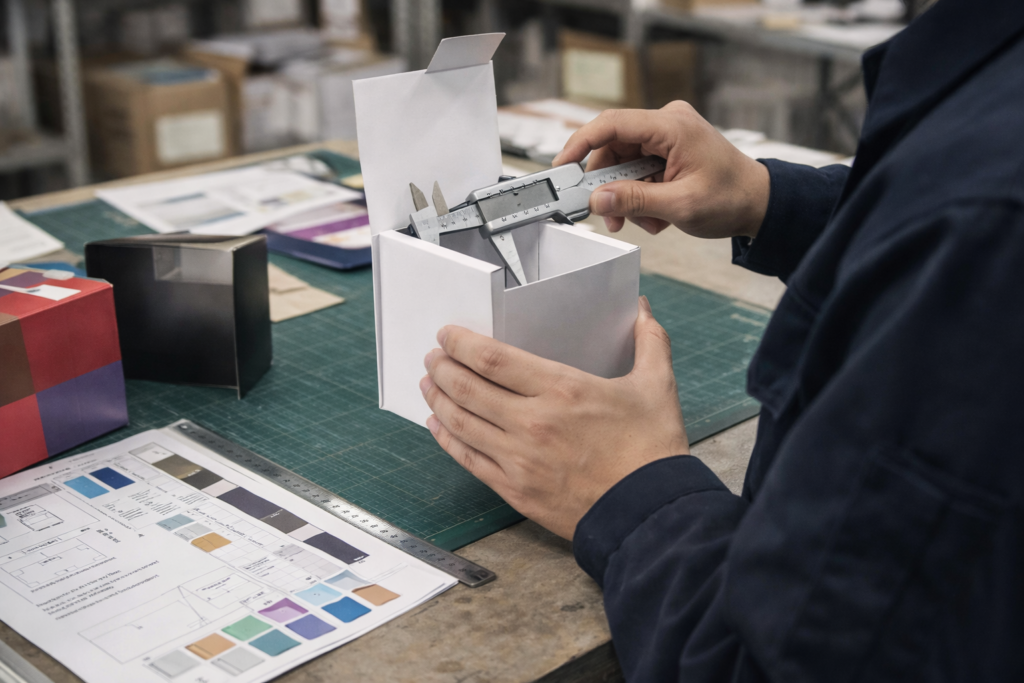
Problems are not the issue—avoidance is.
A reliable supplier will:
- Record issues properly
- Trace root causes
- Provide corrective solutions
- Implement preventive improvements
Mistakes can happen. Repeating them without learning is unacceptable.
Why Is Delivery Capability So Important?
On-time delivery directly determines the stability of your supply chain.
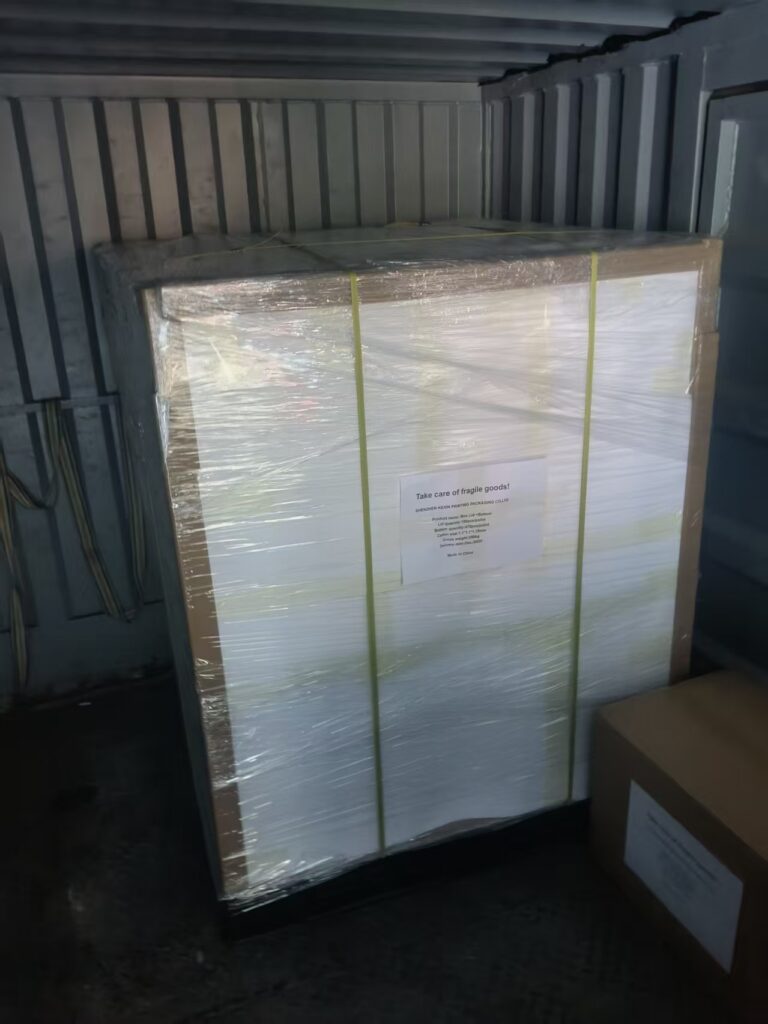
A reliable packaging supplier should provide:
- Clear and predictable lead times
- Transparent production schedules
- Trackable logistics solutions
- Proven delivery performance
Stable delivery capability helps you avoid production stoppages, inventory gaps, and missed customer deadlines.
Professional suppliers will share:
- Detailed production timelines
- Expected delivery dates
- Ongoing production updates
You should never be left guessing where your order stands.
Why Customer Support Determines Long-Term Cooperation
Customer support is one of the most underestimated—but decisive—factors in packaging cooperation.

Strong customer support includes:
- Dedicated account managers
- Fast and consistent responses
- Clear problem-solving processes
More importantly, a reliable supplier should:
- Recommend suitable packaging solutions based on your real needs
- Guide clients away from unrealistic or impractical ideas
- Identify production risks in advance
- Provide regular progress updates
- Respond calmly and responsibly to complaints or urgent requests
During critical moments, strong customer support becomes your anchor.
Why Sampling Matters—but Shouldn’t Be the Only Test
Samples are one important way to assess a supplier’s capability.
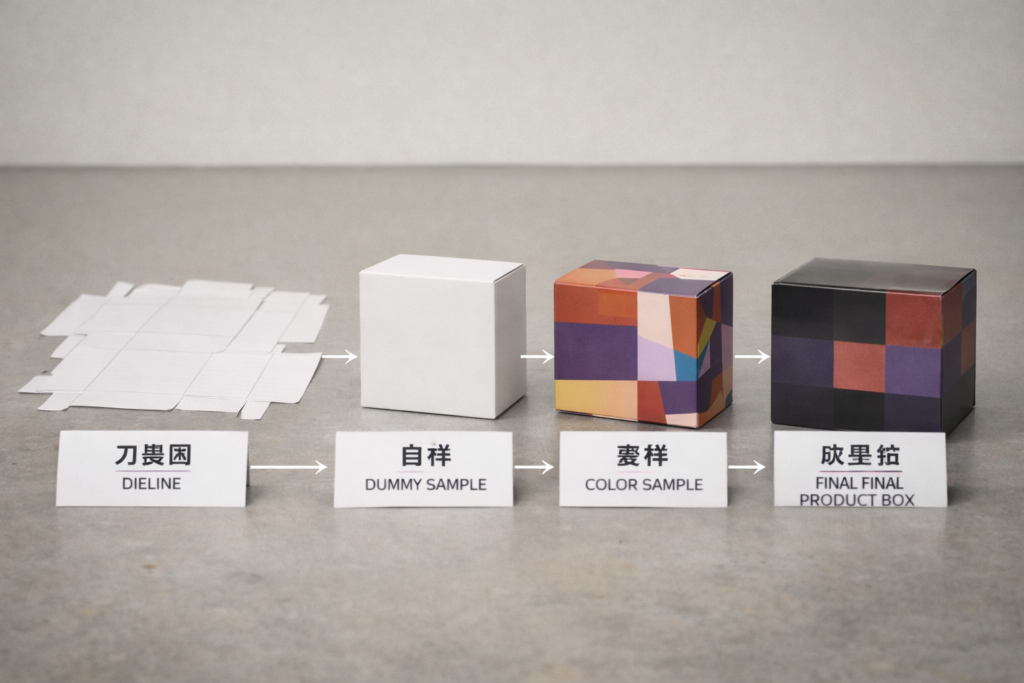
Through sampling, you can evaluate:
- Material feel and structural strength
- Printing accuracy and color consistency
- Finishing quality and detail execution
Sampling reduces risks—but it should not be your only criterion.
In reality, some suppliers:
- Outsource samples but lack mass-production capability
- Make mistakes in transferring sample specs to bulk production
- Cut corners during mass production to reduce costs
That’s why samples must be evaluated together with reputation, systems, and accountability.
Contracts and Responsibility: Your Final Safeguard
A truly reliable supplier is not afraid of responsibility.

Be cautious if a supplier:
- Avoids signing contracts
- Uses contracts that only restrict the buyer
- Provides vague delivery terms like “around,” “approximately,” or “maybe”
- Repeatedly changes promised conditions
These are warning signals you should not ignore.
Conclusion
Some buyers say:
“Just choose a large factory with many certifications.”
The reality is more complex.
Large factories and certifications do not guarantee zero problems.
Big suppliers face quality issues too—and sometimes offer poor service, slow responses, or selective treatment.
Scale and certificates are references, not guarantees.
No method can completely eliminate risk.
Only time and real cooperation reveal a supplier’s true reliability.
A trustworthy partner ensures stable production, consistent quality, and long-term brand value.
At Kexin, reliability and professional service are not slogans—they are standard practice.
If you’re looking for a packaging partner you can trust long-term, it may be time to reassess how your packaging projects can be optimized.