

The Hidden Costs of Poor Packaging Choices (And How to Avoid Them)
Packaging is an essential part of your product journey, from protecting items to showcasing your brand. However, poor packaging choices can lead to hidden costs that damage your reputation and profits. This guide explores these risks and how to avoid them effectively.
Poor packaging results in financial, operational, and customer trust losses. By investing in high-quality, sustainable, and innovative packaging solutions, businesses can mitigate risks, protect profits, and enhance customer satisfaction.
Let’s explore the full spectrum of hidden costs and practical solutions for each.
Why Cheap Packaging Can Cost You More in the Long Run
Cheap packaging might save upfront costs, but the long-term impact is damaging.
Low-quality packaging increases costs through damaged goods, customer complaints, and additional shipping. Investing in durable materials saves money in the long run.

When packaging fails to protect products, businesses face replacement and reputation repair expenses.
Investing in Durability
For instance, a furniture retailer that opts for thin cardboard may experience breakages during shipping. Using reinforced corrugated boxes and corner protectors could prevent product loss, saving both time and money.
How Poor Packaging Impacts Your Brand Reputation
Packaging is a direct reflection of your brand values.
Low-quality packaging creates a negative impression, diminishing trust and loyalty. Superior packaging shows commitment to quality, helping build a reliable brand image.
Customers often associate packaging quality with product value.
Customer Perception Matters
A beauty brand using sleek, recyclable packaging communicates luxury and eco-consciousness. Meanwhile, flimsy or unattractive packaging undermines product appeal, even if the product inside is excellent.
The Financial Burden of Frequent Packaging Failures
Frequent failures in packaging design or material drain company resources.
Packaging failures increase operational costs through returns, replacements, and lost sales. Investing in tested solutions minimizes these disruptions.
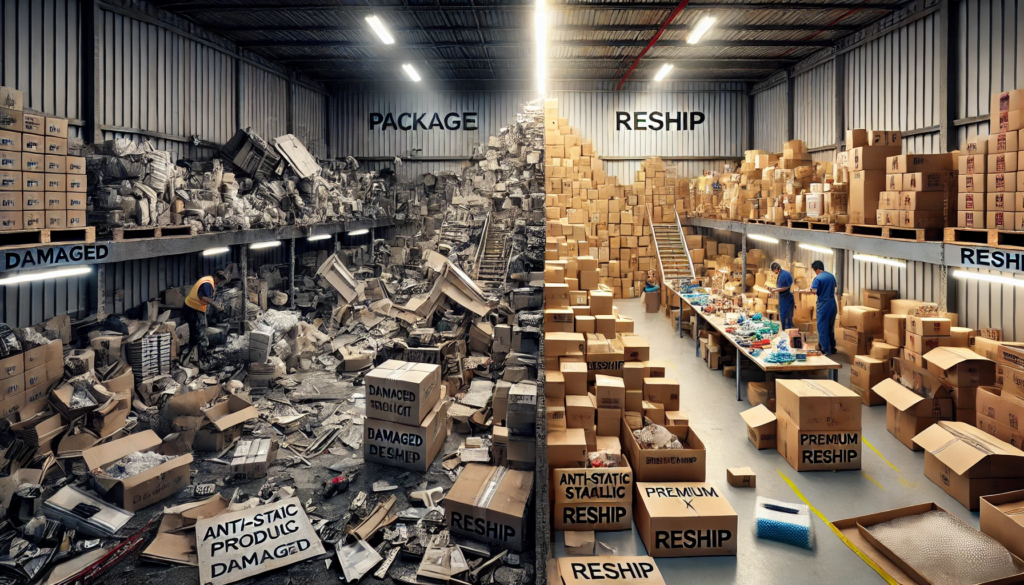
Breakages and mishandling lead to dissatisfied customers and additional shipping costs.
Practical Solutions
For instance, electronics companies often use anti-static foam and impact-resistant cases to protect sensitive components. This investment prevents costly replacements and enhances customer satisfaction.
Lost Customers: The Price of Damaged Deliveries
Damaged goods during delivery erode trust and loyalty.
Delivering damaged products leads to customer dissatisfaction, negative reviews, and lost revenue. Durable packaging secures items and protects customer relationships.

Customer loyalty depends heavily on a seamless delivery experience.
Safeguarding Deliveries
Adding cushioning materials, such as bubble wrap or molded inserts, significantly reduces the risk of damage during transit. Reliable packaging also prevents return costs and negative feedback.
Supply Chain Disruptions Caused by Subpar Packaging
Substandard packaging can disrupt smooth supply chain operations.
Poor packaging increases handling issues, slows down logistics, and causes transit delays. Quality materials and smart designs improve supply chain efficiency.
Mislabeling, poor durability, or improper sizes create bottlenecks and delays.
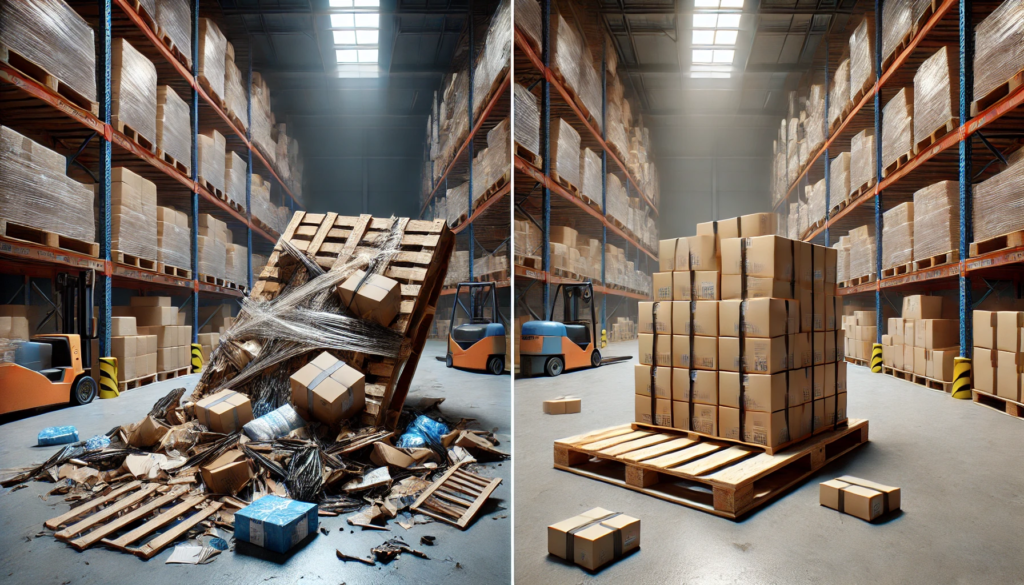
Streamlining Supply Chains
Using standardized, stackable boxes and clear labeling helps improve inventory management and transit safety. For bulk shipments, customized pallets reduce movement-related damage.
Legal Risks: Packaging That Doesn’t Meet Regulations
Non-compliance with packaging regulations can lead to severe penalties.
Failing to meet legal standards results in fines, recalls, and lost sales. Ensure your packaging adheres to local and international requirements.
Ignoring regulations affects both cost and market access.
Staying Compliant
For instance, food brands must follow strict guidelines for labeling allergens. Working with a certified supplier ensures compliance and avoids regulatory setbacks.
Hidden Costs of Inefficient Packaging Design
Inefficient packaging design increases waste and operational costs.
Bulky or poorly designed packaging inflates shipping, storage, and material costs. Optimized designs maximize efficiency while protecting products.
Inefficient designs often result in excessive filler materials or wasted space.
Optimizing for Efficiency
Switching to compact, lightweight packaging designs reduces shipping fees and waste. E-commerce brands benefit from flat-pack options that combine strength and space savings.
How Poor Packaging Increases Return Rates
Return rates often correlate with packaging failures.
Inadequate packaging leads to damaged products and dissatisfied customers. Investing in protective solutions reduces returns and enhances satisfaction.
High returns result in logistical headaches and lost revenue.
Proactive Measures
Adding tailored inserts or shock-absorbing layers minimizes damage risks. Conducting stress tests on packaging ensures items remain intact during transit.
The Environmental Cost of Low-Quality Packaging
Non-recyclable packaging damages your brand’s environmental image.
Cheap, non-sustainable packaging adds to waste and alienates eco-conscious customers. Eco-friendly alternatives reduce environmental impact and boost brand appeal.

Sustainability is a growing concern for modern consumers.
Going Green
Biodegradable options like kraft paper or corn-starch packing peanuts meet customer demand for eco-friendly products. These materials also reduce waste-related penalties in environmentally regulated markets.
Why Product Losses from Poor Packaging Can Hurt Profits
Every damaged product represents lost revenue.
Product losses from packaging failures impact profitability and customer satisfaction. Durable packaging materials reduce breakages and financial waste.
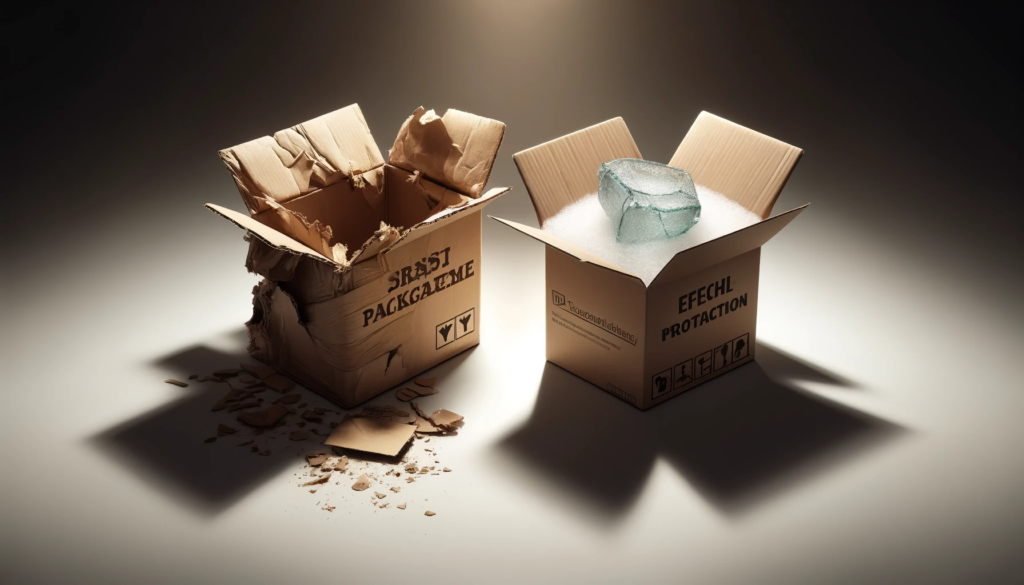
Lost items are often unrecoverable, directly affecting margins.
Minimizing Losses
Fragile goods like ceramics benefit from double-walled boxes and foam inserts. Simple upgrades like tamper-evident seals further protect product integrity.
The Role of Packaging in Expensive Shipping Errors
Improper packaging often leads to misclassification or shipping errors.
Poorly sized or mislabeled packaging causes delays, extra fees, and customer dissatisfaction. Smart packaging prevents these costly errors.
Shipping carriers may impose penalties for oversized or improperly labeled packages.
Addressing Common Issues
For example, shipping large quantities of small items in over-sized boxes inflates costs. Right-sizing solutions like custom-fit boxes avoid dimensional weight surcharges.
Unboxing Disasters: How Packaging Affects Customer Experience
The unboxing moment can make or break customer impressions.
Substandard packaging diminishes the unboxing experience, reducing brand loyalty. Attractive, protective designs create memorable moments that foster repeat business.
Unboxing is now a critical marketing opportunity for brands.
Enhancing Unboxing Experiences
Luxury brands often use tissue paper, ribbons, and branded inserts to elevate the unboxing experience. Durable materials ensure the product reaches the customer in pristine condition.
Avoiding Repackaging Costs with the Right Materials
Repackaging costs add unnecessary expenses to your supply chain.
High-quality materials eliminate the need for repackaging due to damage or inefficiency. Smart designs reduce waste and save money.
Frequent repackaging increases labor and material costs.
Preventing Repackaging
Using durable, eco-friendly materials like recycled cardboard or reinforced plastics ensures items withstand shipping challenges, reducing the need for secondary packaging.
Missed Marketing Opportunities Due to Generic Packaging
Plain or generic packaging misses critical branding opportunities.
Custom packaging increases brand recognition and customer loyalty. A branded design turns packaging into a marketing tool.
Packaging serves as a silent salesperson for your product.
Leveraging Custom Designs
Using branded logos, colors, and taglines helps distinguish your product. QR codes on packaging also drive customer engagement through promotional content or loyalty programs.
Why Poor Packaging Fails to Protect Against Counterfeiting
Subpar packaging increases counterfeiting risks.
Weak packaging makes duplication easier. Secure packaging designs protect against tampering and maintain product integrity.
Counterfeiting leads to lost revenue and trust.
Counterfeit-Resistant Solutions
Features like holographic seals, tamper-proof closures, and serialized barcodes deter counterfeiters and ensure product authenticity.
The Labor Costs of Fixing Packaging Problems
Substandard packaging often requires additional handling and labor.
Labor costs increase when packaging fails, requiring fixes or repackaging. High-quality designs improve efficiency and reduce workforce strain.
Fixing packaging issues takes time and resources away from other operations.
Streamlining Labor Efforts
Implementing automation for packaging processes, like sealers or labeling machines, reduces human error and labor intensity, improving overall efficiency.
How Substandard Packaging Affects Bulk Orders
Bulk shipments are particularly vulnerable to poor packaging.
Substandard packaging for bulk orders increases the risk of damage, delays, and additional costs. Strong, customized solutions ensure bulk order protection.
Bulk shipments demand sturdier packaging to prevent catastrophic losses.
Securing Bulk Shipments
Reinforced pallets and shrink-wrapped bundles ensure stability during transit. Companies should also use weather-resistant materials for outdoor storage.
Avoiding Penalties from Non-Compliant Packaging Standards
Non-compliance penalties can be costly for businesses.
Packaging that doesn’t meet standards can result in fines, product rejections, or shipping delays. Staying compliant protects profits and reputation.
Regulatory oversight varies across regions and industries.
Meeting Standards
Working with experienced packaging suppliers ensures compliance with regulations, such as child safety laws for toys or FDA standards for food contact materials.
The Long-Term Cost of Neglecting Packaging Innovation
Ignoring packaging innovation limits growth opportunities.
Failure to innovate packaging can lead to inefficiency, lost market share, and reduced competitiveness. Staying ahead with innovative designs drives long-term success.
Innovation ensures packaging meets evolving customer and market demands.
Staying Competitive
For example, smart packaging solutions like QR codes or augmented reality (AR) enhance customer interaction. Lightweight, eco-friendly materials further reduce costs and appeal to sustainability-conscious consumers.
Expert Tips to Identify and Avoid Hidden Packaging Pitfalls
Identifying and addressing packaging pitfalls saves time and money.
Work with reliable suppliers, prioritize quality testing, and stay updated on industry trends to avoid common packaging problems.
A proactive approach minimizes risks and optimizes results.
Practical Guidance
- Test for durability: Conduct stress tests for your packaging in various conditions.
- Choose the right supplier: Partner with experts who provide reliable materials and designs.
- Stay informed: Regularly review regulations and customer feedback to align packaging with expectations.
Conclusion
Poor packaging choices cost businesses in revenue, reputation, and efficiency. By prioritizing high-quality, innovative, and sustainable solutions, companies can avoid these hidden costs and ensure long-term success.
Email: sandy.liu@kexinpackaging.com
Phone: 15817411992