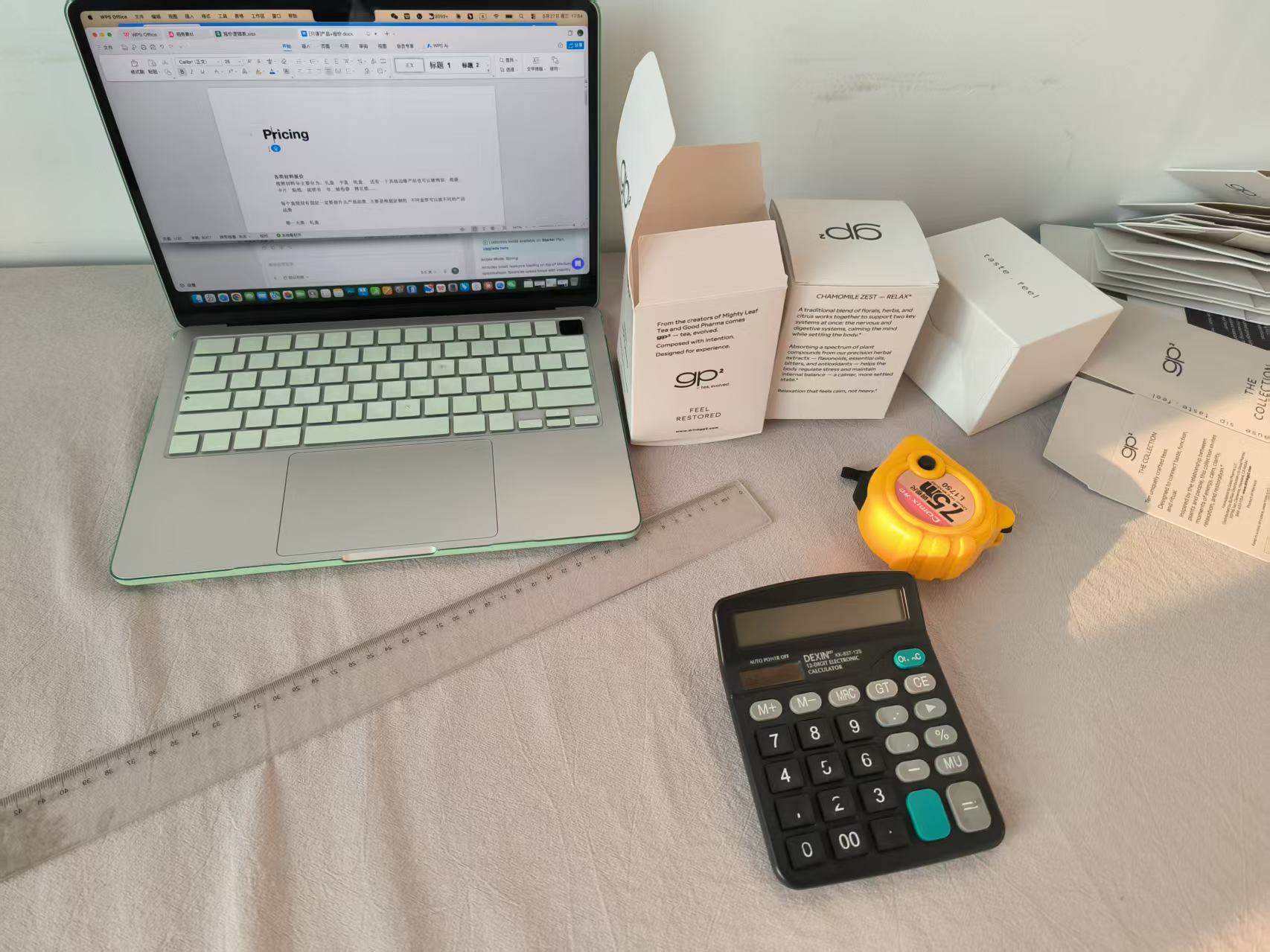

When working on a packaging project, clients often say: although this solution looks great, the budget is limited — is there any way to reduce the price?
Cutting packaging costs can feel like walking a tightrope—you want to save money without jeopardizing the quality that represents your brand. The good news? It’s possible.
Reducing packaging costs without sacrificing quality involves smart material choices, process optimizations, and creative designs. Techniques like bulk purchasing, eco-friendly materials, and minimalist designs help balance affordability and quality while boosting brand perception.
Ready to dig deeper? Let’s explore these strategies step by step.
10 Smart Ways to Save on Packaging Materials
Packaging costs often hinge on material choice. By opting for cost-effective and sustainable materials, you can significantly reduce your expenses.
Switch to lightweight, durable materials like kraft paper or thinner cardboard. Experiment with hybrid designs that combine recycled elements with sturdy components for savings without compromising performance.

For example, molded pulp trays can replace plastic inserts, or biodegradable films can protect products at a lower cost. By optimizing your materials, you align with sustainability trends and cut unnecessary expenses.
However, unfortunately, whether it is molded pulp trays or biodegradable films, the minimum order quantities are extremely high, and the required mold costs are also significant.
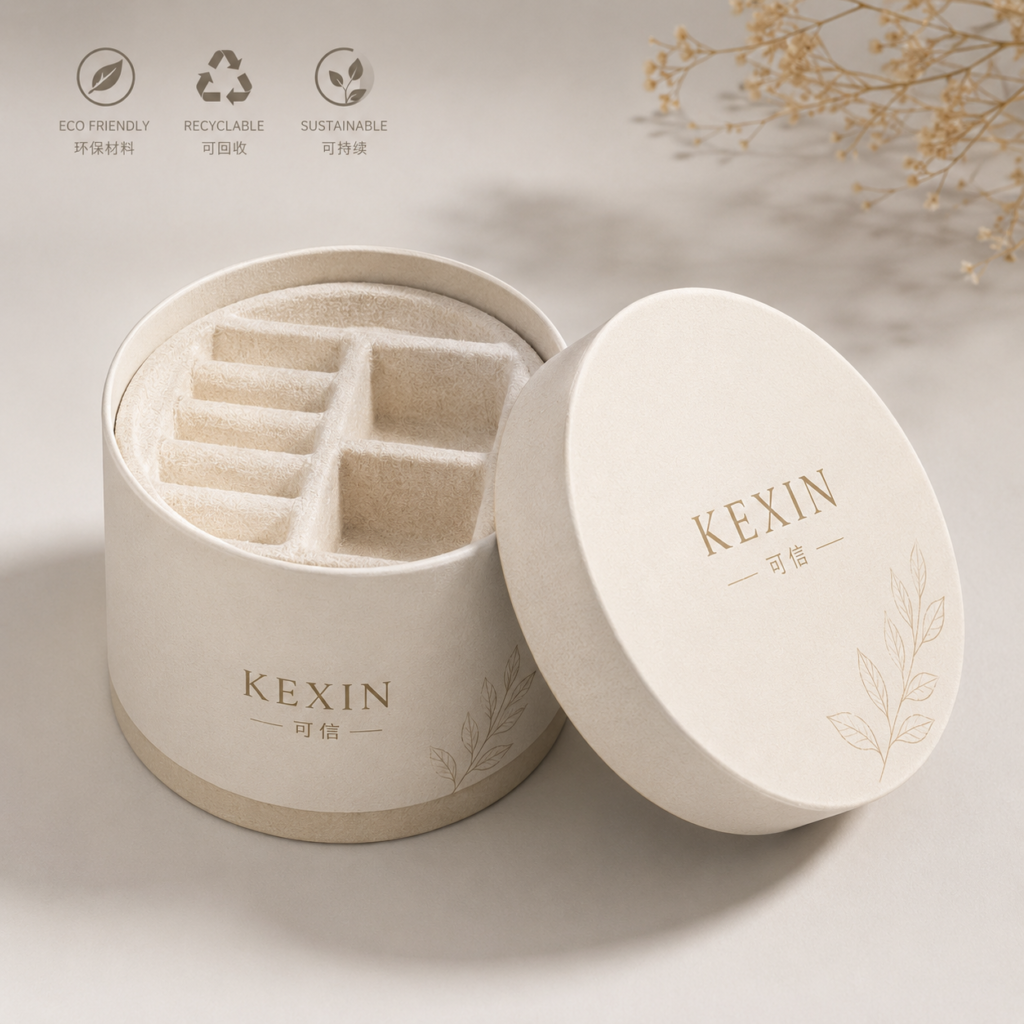
This leads to relatively low adoption rates. Only when the order volume is large enough can these solutions truly become both eco-friendly and cost-effective. For many small businesses, these requirements are simply difficult to meet.
Yet the reality is that only by continuously adopting molded pulp trays and biodegradable films, and increasing their market usage, can the minimum order quantities and mold costs gradually decrease. When that happens, smaller businesses will also be able to use these materials, making it possible to achieve both environmental responsibility and cost efficiency in packaging.

How to Choose Cost-Effective Packaging Without Compromising Durability
Durability doesn’t have to be expensive. Strategic testing and material substitution can save costs while maintaining quality.
Focus on packaging tailored to your product’s specific needs. For fragile items, use corrugated cardboard instead of rigid options, or invest in protective inserts that reduce material waste.
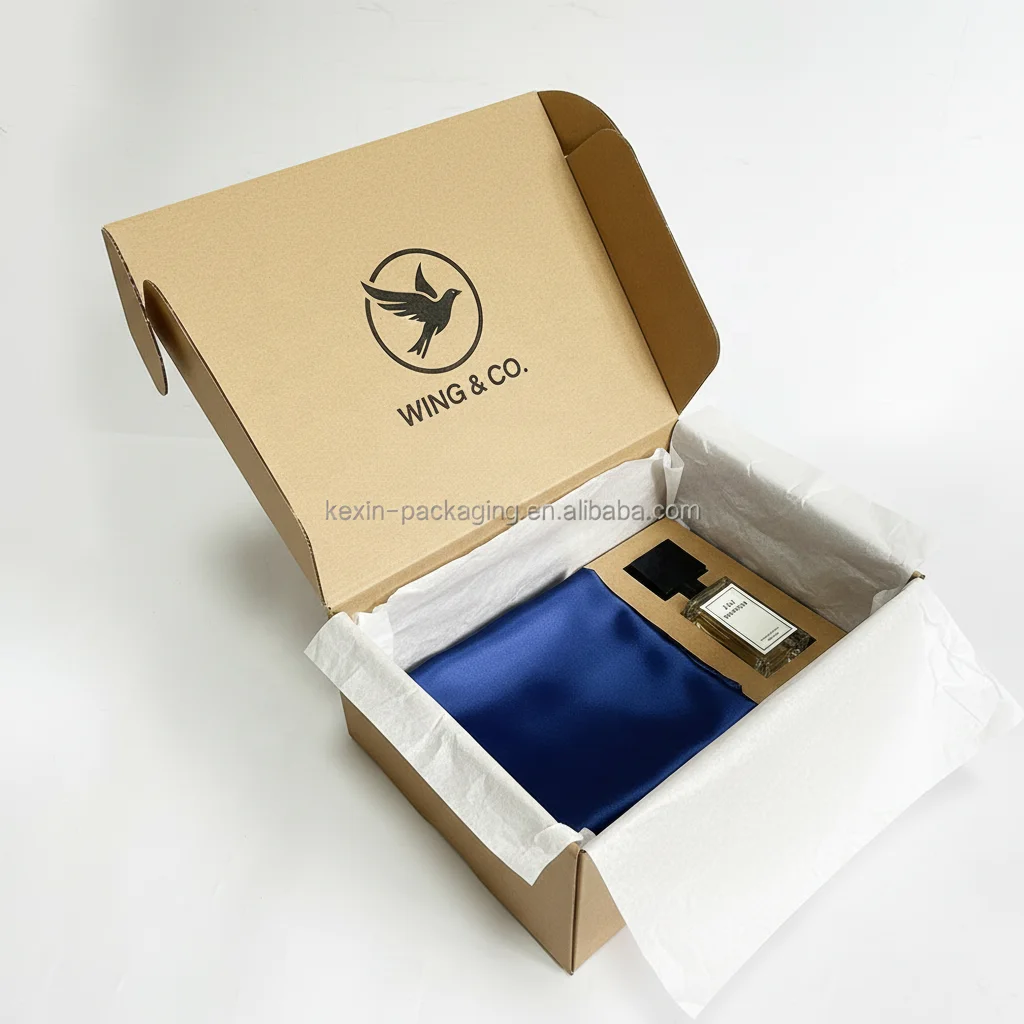
Streamlined packaging designs also prevent overuse of materials while ensuring safety during transit. Think less fluff, more function.
That’s why many large companies choose to hire experienced packaging engineers.
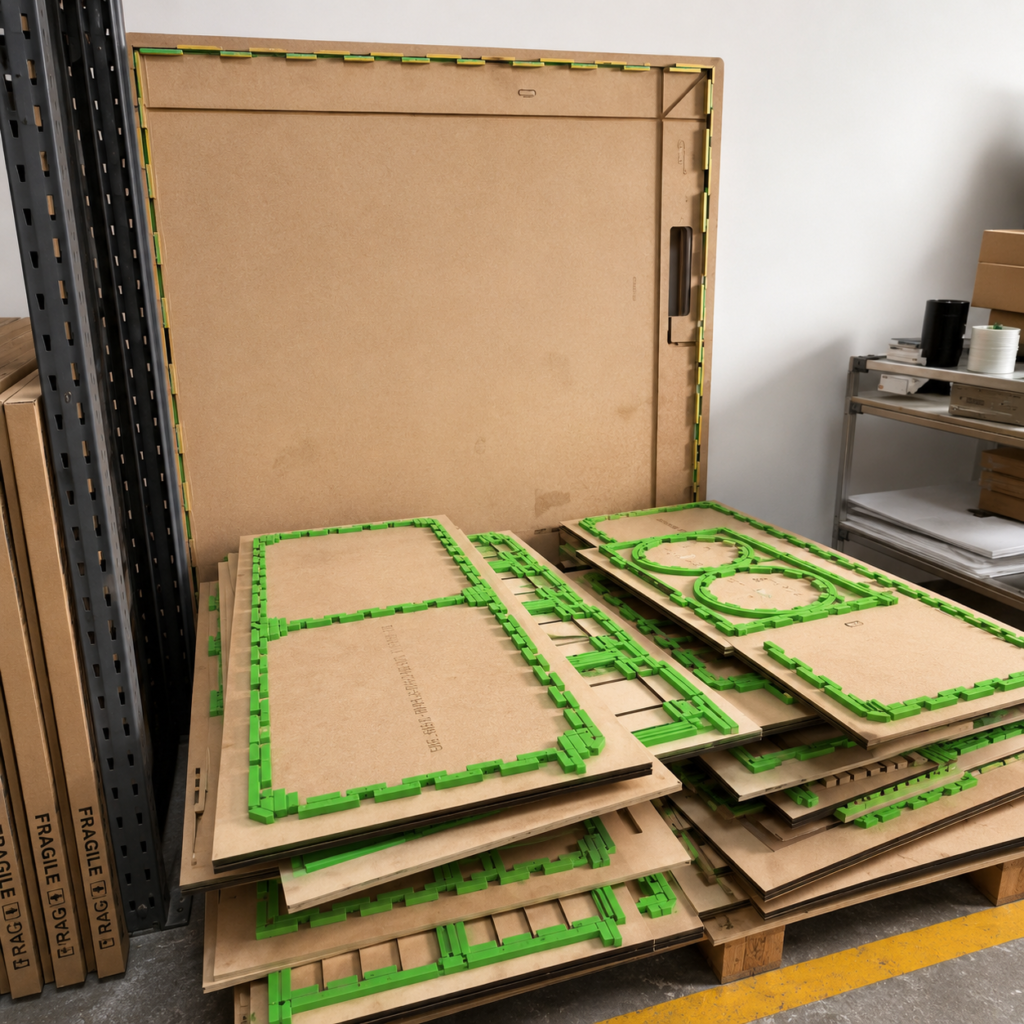
A skilled packaging engineer may only need to make small adjustments to the box structure or material, yet those changes can significantly improve the packaging — achieving a better balance of appearance, product protection, and cost efficiency at the same time.
Streamlining Packaging Processes for Maximum Savings
Efficient production processes are a key factor in reducing costs. The less time and resources required in manufacturing, the greater the cost savings that can be achieved.
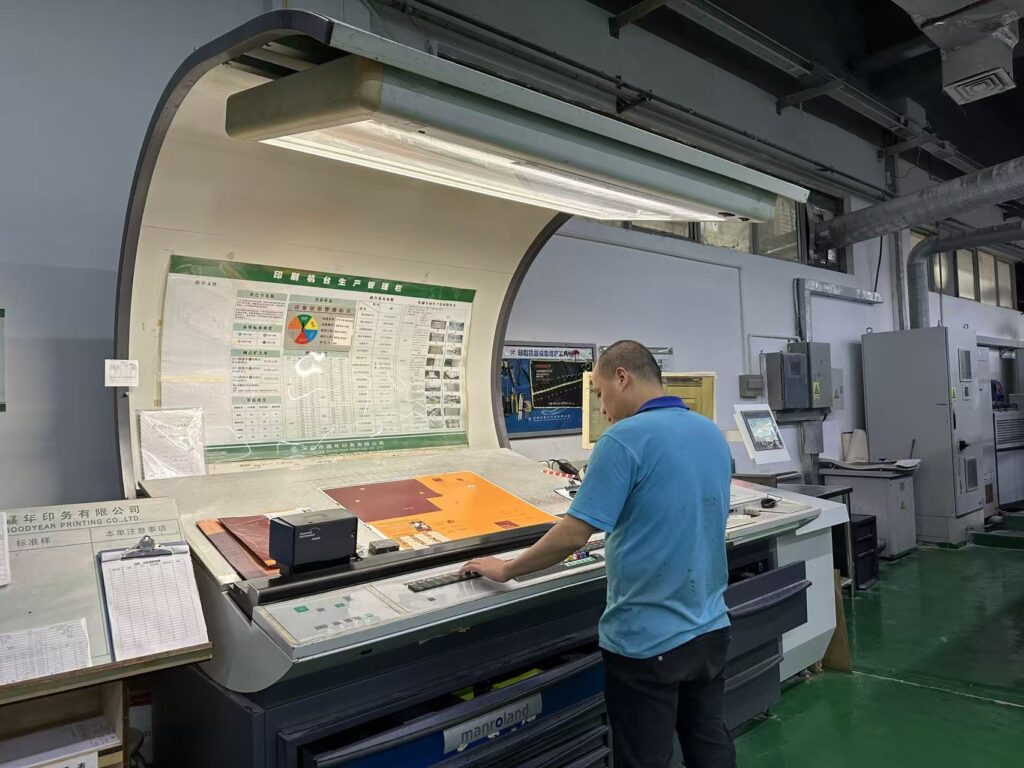
One of the most effective ways to build an efficient production workflow is through repeat orders. In our factory, craftsmen and machine operators in each stage of production constantly refine the workflow and adjust the sequence of operations. Regular production reviews help identify waste, bottlenecks, or inefficiencies, allowing the team to continuously optimize production capacity.
This is also why complex rigid gift boxes often generate little or no profit during the first production run. However, once the order is repeated — second, third, or even fourth production runs — the same box can be produced faster, more efficiently, and at a lower cost. Workers become increasingly familiar with the process, team leaders optimize the workflow, and departments across the production chain coordinate more smoothly. Over time, this leads to higher output, improved quality, and meaningful cost reductions.
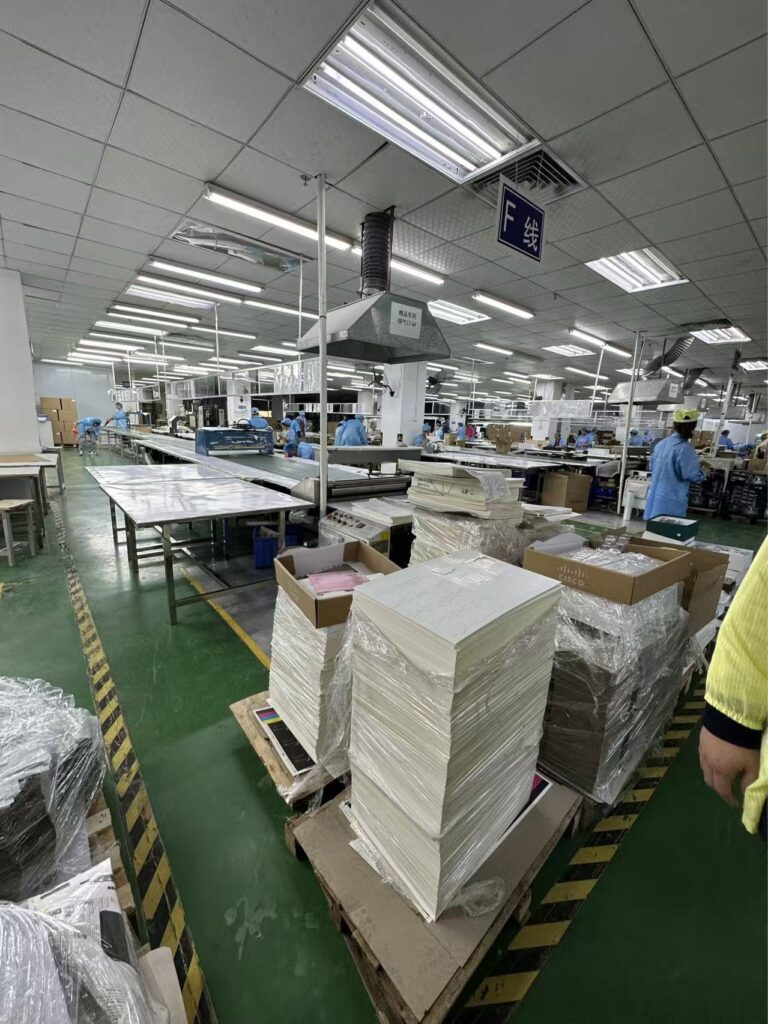
In addition, automation can replace certain manual processes, reducing labor costs while improving consistency. However, automated production usually requires a higher minimum order quantity, because factories must maintain sufficient production volume to make automation economically viable.
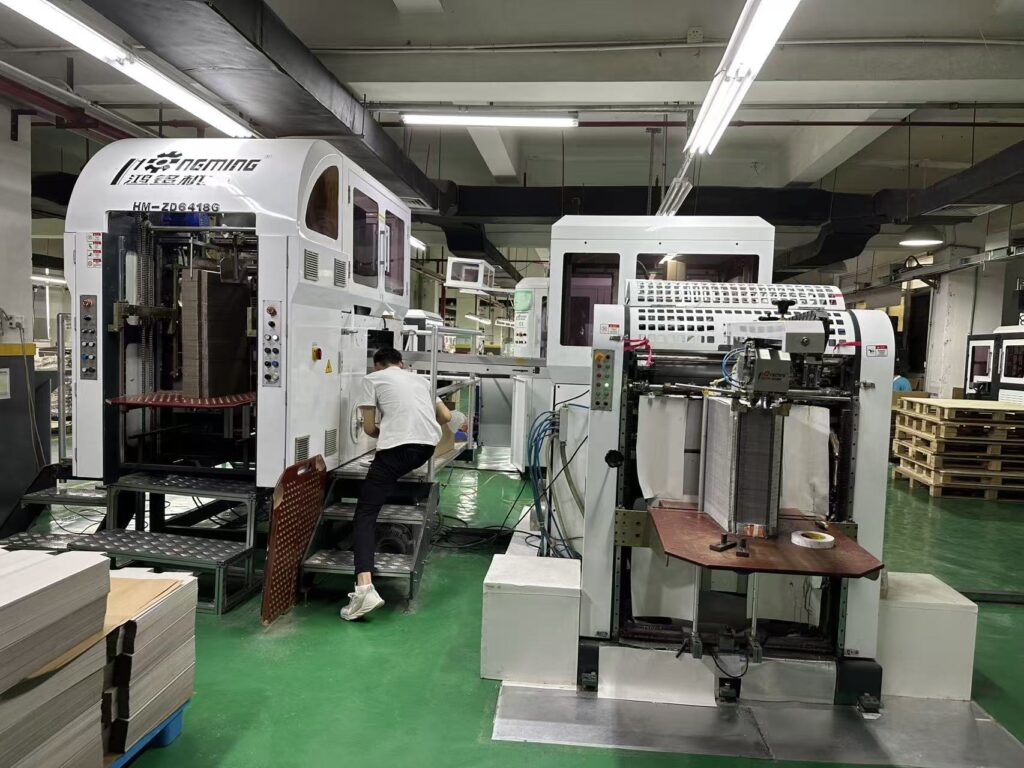
At the same time, using equipment that can adjust packaging specifications according to the product dimensions helps reduce internal empty space inside the packaging, which can significantly lower transportation and logistics costs..
The Role of Minimalist Design in Reducing Packaging Costs
Minimalism isn’t just trendy—it’s practical. Streamlining your packaging design saves materials, time, and money.
Minimalist designs eliminate nonessential elements, focusing on clean aesthetics and function. This reduces material usage while delivering a modern, eco-friendly appearance.
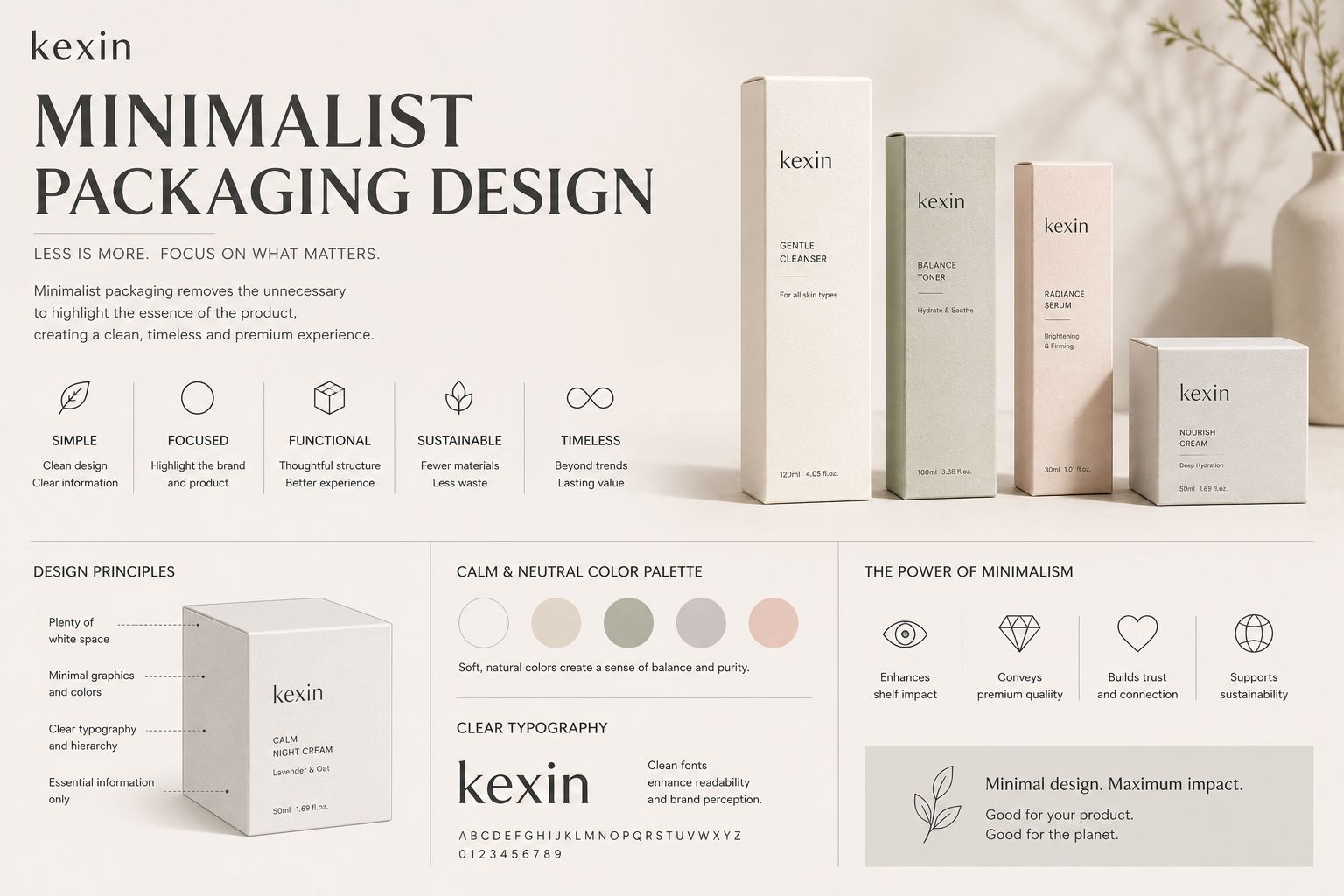
For instance, consider using embossing instead of heavy ink coverage or adopting single-layer packaging that maintains durability while cutting costs.
Today, many well-known brands are increasingly moving toward minimalist packaging. This shift is not only an aesthetic evolution, but also a response to the growing need for cost efficiency, operational optimization, and sustainable development.
This trend is becoming more visible even in luxury packaging. Well-known brands such as Chanel, Jo Malone London, and Louis Vuitton often use packaging designs that follow a minimalist philosophy.
Although the designs appear simple, they still deliver a strong sense of premium quality and brand identity. At the same time, this approach helps companies reduce unnecessary materials and production complexity, ultimately saving costs while maintaining a high-end brand image.
Eco-Friendly Options That Save Money and Boost Your Brand
Eco-conscious packaging can be budget-friendly while aligning with consumer preferences for sustainability.
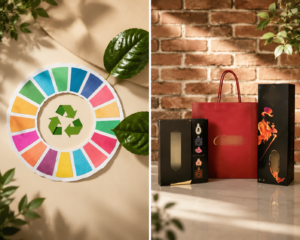
Materials like recycled cardboard, biodegradable plastics, or kraft paper are cost-effective and environmentally responsible. Bulk sourcing of such materials reduces per-unit costs.
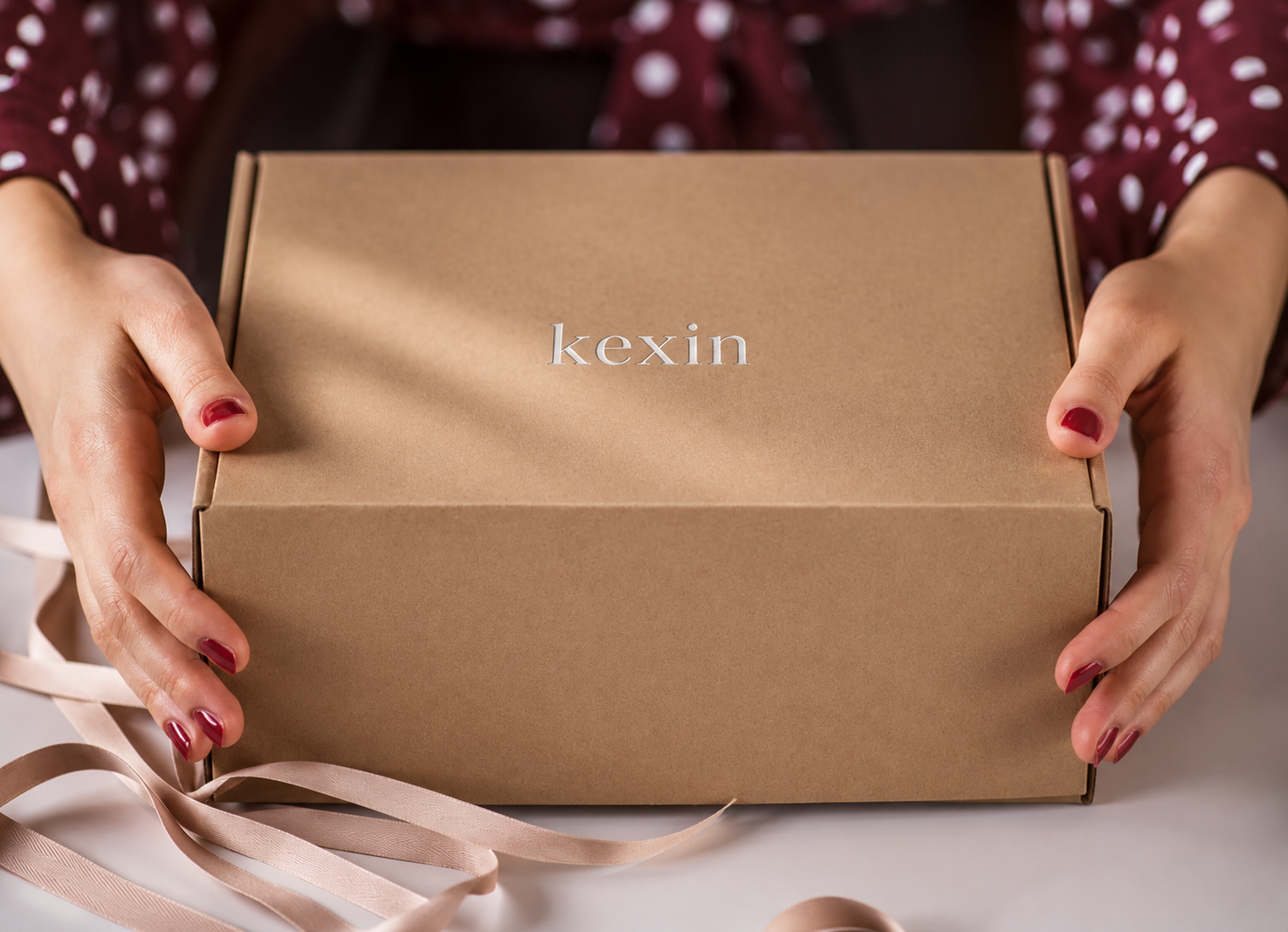
Eco-packaging enhances your brand’s reputation while lowering waste and raw material expenses.
However, as mentioned earlier, eco-friendly materials usually come with relatively high minimum order quantity requirements. If your company’s purchasing volume is limited and the budget is constrained, this option may not be practical at the moment.
Reducing Packaging Waste: A Cost-Saving Guide
Excess packaging waste is a drain on resources. Cutting it not only saves money but also boosts efficiency.
To reduce waste, minimize unused space and opt for right-sized packaging. Transition to digital proofing to avoid trial-and-error printing costs.
In addition, leftover materials can be reused more effectively. For example, offcuts and remaining paperboard can be repurposed as protective cushioning, or used to produce smaller components such as thank-you cards, inserts, or instruction leaflets.

This approach helps reduce material waste while improving overall cost efficiency in the packaging production process.
How Bulk Ordering Can Significantly Lower Packaging Expenses
Buying in bulk often translates to lower costs per unit, especially for standardized packaging.
Negotiate volume discounts with your supplier to secure better deals. Bulk orders also minimize shipping and procurement costs.
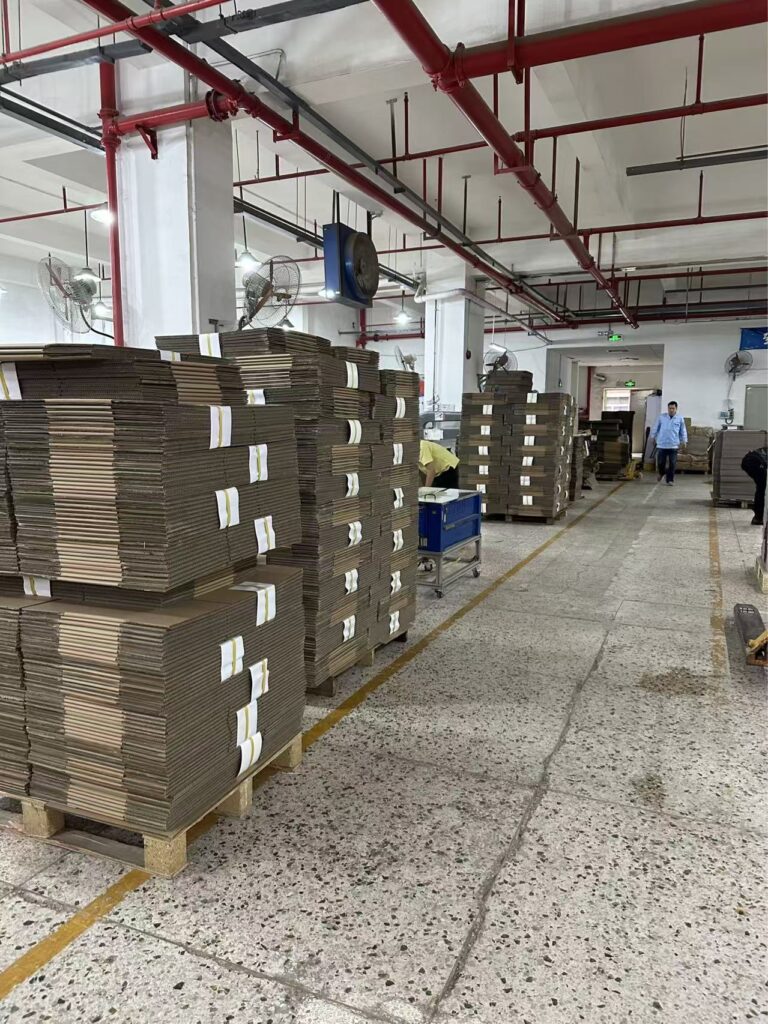
At the same time, as mentioned earlier, if your company has the capacity to place large-volume orders, it essentially gains access to eco-friendly and cost-effective biodegradable materials. This not only supports sustainability goals but also helps reduce overall packaging costs through scale advantages.
Be sure to assess storage capacities to ensure bulk orders don’t lead to logistical headaches.
The Hidden Costs in Packaging—and How to Avoid Them
Sometimes, certain costs quietly appear within the packaging budget without being immediately noticed.
Common hidden costs may include, but are not limited to:
Excessive printing processes:
Some clients prefer to set nearly every color as a spot color, even for very small elements such as tiny dots that are barely visible. However, spot colors require specially mixed inks. For small areas or colors that are not highly sensitive, standard CMYK printing can usually achieve the same effect.
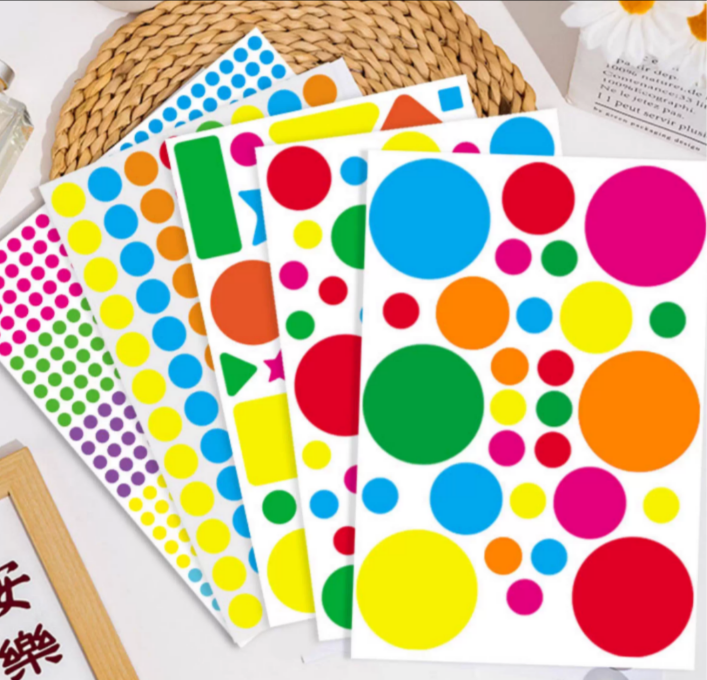
For example, one client previously submitted artwork designed with CMYK + 8 spot colors, which resulted in extremely high printing costs. After our recommendation and several print tests, the client accepted a revised solution of CMYK + 2 spot colors, which significantly reduced the overall cost.
Unreasonable transportation packaging design:
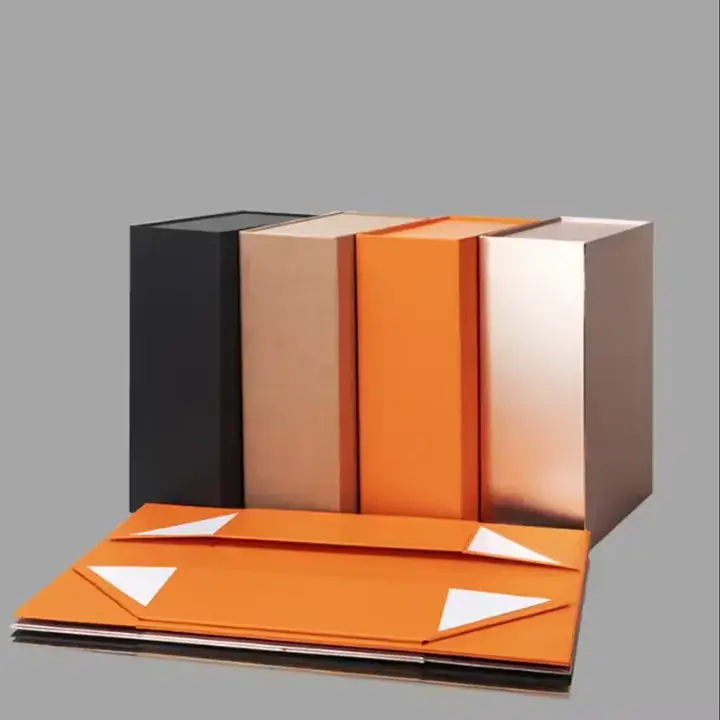
In some cases, very large rigid boxes can be redesigned as foldable boxes, or smaller boxes can be packed inside larger master boxes more efficiently. Adjustments like these can immediately reduce packaging and storage costs by more than 75%.
Unnecessary customization:
Adding too many personalized elements or special processes that do not significantly improve the user experience can increase costs without creating real value.
Inefficient layout planning:
For example, a single printing sheet might realistically fit 24 boxes, but due to lack of experience or improper layout planning, only 12 boxes are arranged on the sheet. This inefficiency directly increases costs across printing, surface finishing, and post-processing.
Regularly reviewing supplier quotations can help companies identify these hidden expenses.
At the same time, working with a reliable and experienced packaging supplier helps reduce these risks and ensures better cost control throughout the project.
Innovative Alternatives to Expensive Packaging Materials
Innovation opens the door to cost-effective solutions that still deliver on quality and design.
Explore options like compostable films, air cushions for padding, or even paper-based tapes instead of plastic. New technologies often introduce cheaper and greener materials.
Experimenting with unconventional choices can yield surprising results.
As a packaging supplier with more than a decade of experience, reducing costs simply by switching to cheaper materials is usually the least effective strategy.
In many cases, a brand can achieve similar or even greater savings by optimizing and simplifying the packaging structure. A well-designed structure often delivers the same cost reduction that low-grade materials might bring, but without sacrificing product protection or visual quality.
More importantly, structural optimization allows packaging to maintain a premium appearance while improving functionality and efficiency—achieving cost control without weakening the brand image.
How to Optimize Packaging Dimensions to Cut Costs
Overpacking is an easy way to waste money. Right-sizing ensures every inch of material and space is put to use.
Use software tools to calculate precise dimensions based on product size and shape. Standardize dimensions to streamline production and save costs.
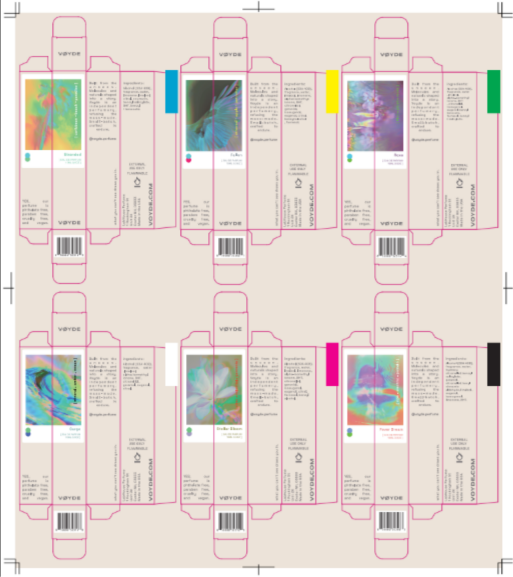
Right-sized packaging also reduces shipping expenses, further stretching your budget.
Do not underestimate a 1–2 cm adjustment in packaging dimensions. Reducing the box size by just 1–2 cm may significantly improve the sheet layout efficiency during printing and surface finishing, allowing more boxes to fit on each printing sheet and greatly reducing production costs.
At the same time, that small size reduction can also make a difference in logistics efficiency. With a slightly smaller box, more units may fit into a single carton or pallet, which helps reduce storage space and transportation costs.
In packaging design, small dimensional optimizations often lead to surprisingly large savings across the entire supply chain.
Conclusion
Reducing packaging costs isn’t about cutting corners; it’s about working smarter. From material choices to streamlined processes and innovative designs, there are countless ways to save without compromising quality.
In real production, one very practical truth is that a reliable and professional factory will help design a reasonable packaging solution from the very beginning of the collaboration.
An experienced supplier understands which dimensions are most efficient for printing layouts, which sizes create unnecessary waste, which materials deliver the best balance between quality and cost, and what type of packaging can look attractive while remaining practical and functional.
Reducing quality simply to cut costs is often the least effective strategy. In many cases, choosing the right supplier means gaining access to the most cost-effective packaging solution—one that balances appearance, protection, and budget without compromising the brand.
At Kexin, we specialize in creating high-quality, cost-effective packaging solutions tailored to your needs. Visit us at www.kexinpackaging.com or reach out today to learn how we can help your brand stand out while saving on costs!