Walk into a supermarket and look at the laundry aisle.
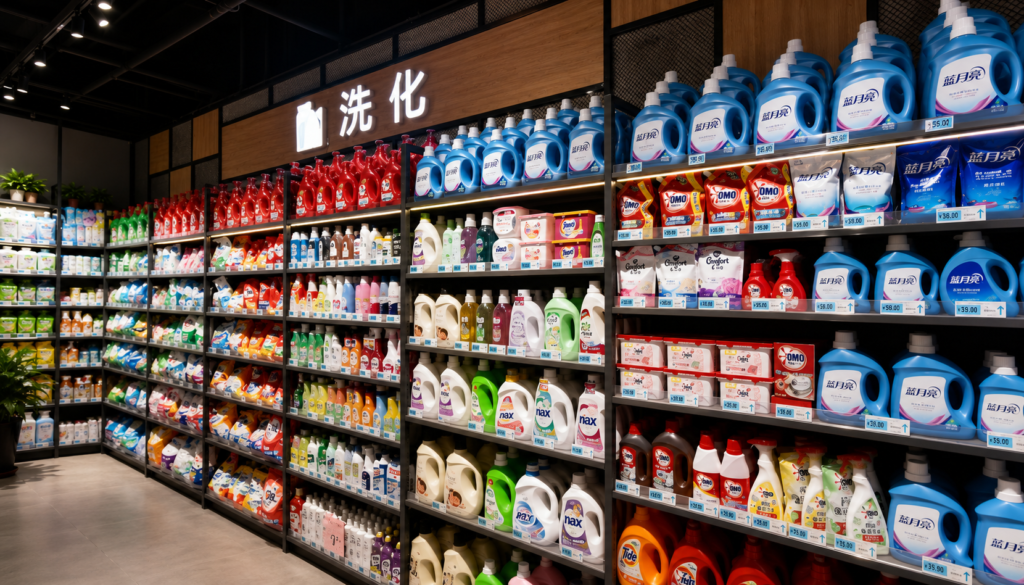
As a consumer, which product would attract your attention first — a cheap plastic bag of laundry powder, or a well-designed bottle of liquid detergent with premium packaging?
According to 2025 market data, liquid laundry detergent holds 57.1% of the cleaning products market share.
Beyond cleaning performance alone, attractive and user-friendly packaging has played a major role in helping liquid detergents capture consumer demand.
The same logic applies to the cosmetics industry. Many cosmetic brands invest heavily in product formulas, yet underestimate the importance of packaging. In reality, in a retail environment, consumers usually notice the packaging first before deciding whether to learn more about the product.
Beautiful and functional cosmetic packaging is the key to winning consumer attention and trust.
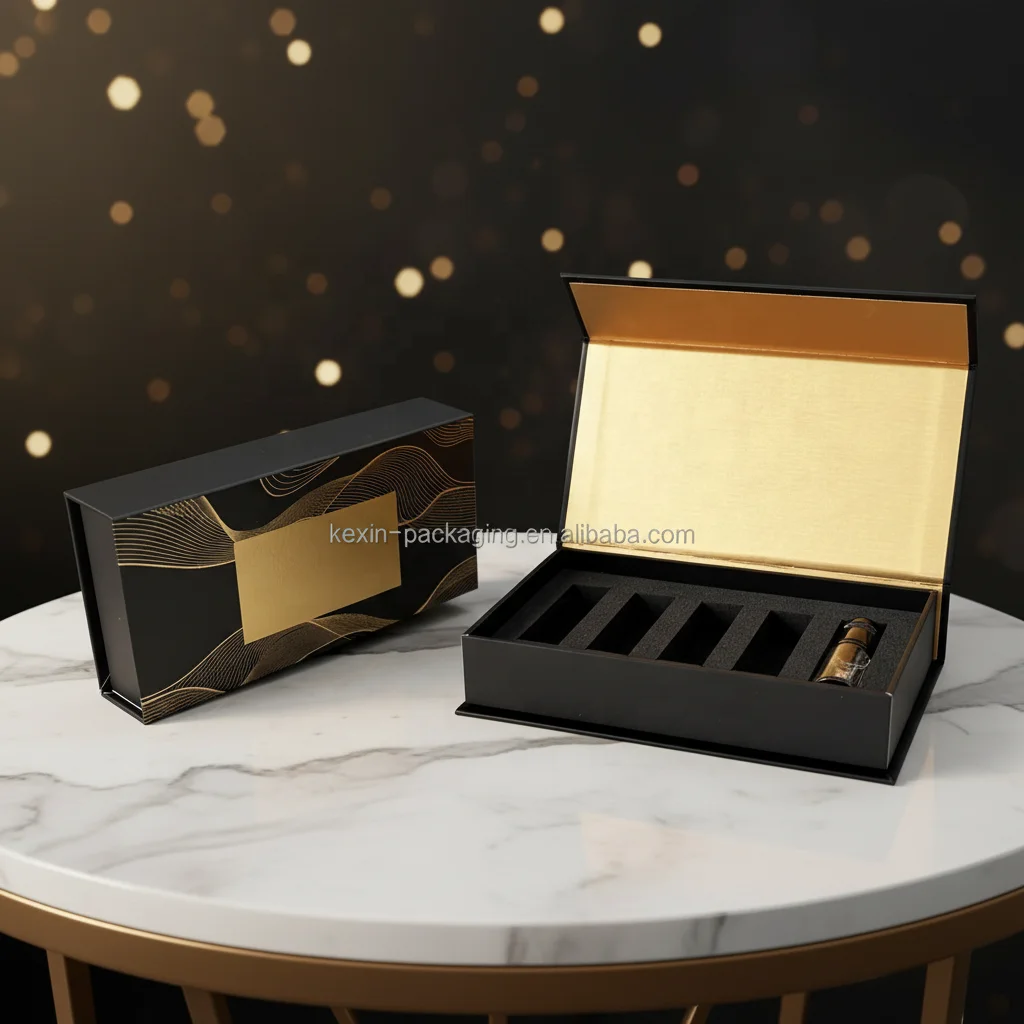
However, some common mistakes in packaging design can negatively impact a brand’s image and product sales.
Avoiding these 10 common errors will ensure your cosmetic packaging not only stands out but also meets customer expectations and market standards.
1. Ignoring Target Audience Preferences
Failing to align your design with your target audience’s tastes can alienate potential buyers.
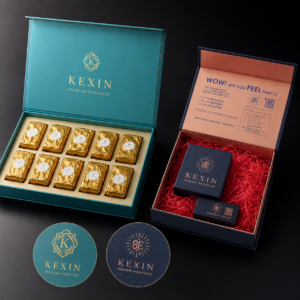
Cosmetic packaging should resonate with your audience. Luxury consumers value elegance and minimalism, while younger buyers may prefer bold, vibrant designs.
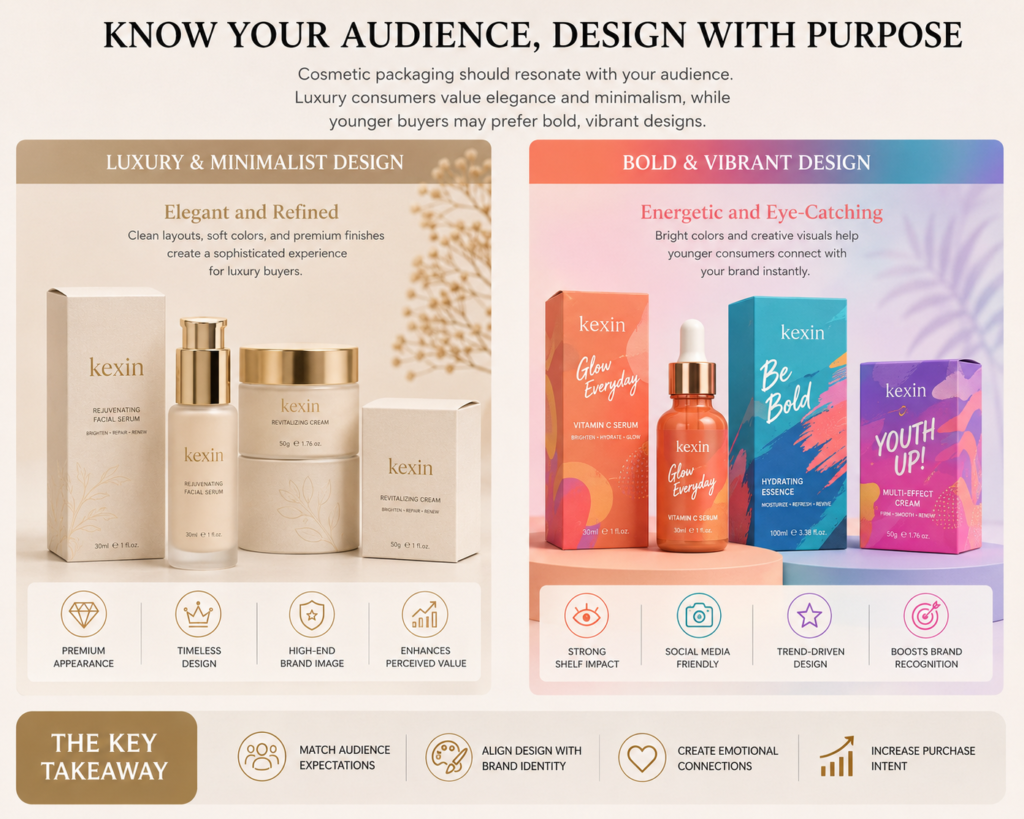
Aligning Packaging with Buyer Personas
To succeed, conduct audience research. For example:
- Millennials might gravitate towards bold, eco-friendly designs.
- Mature audiences may prefer timeless, luxurious aesthetics.
Customize your packaging style, colors, and materials to match their values and lifestyles.
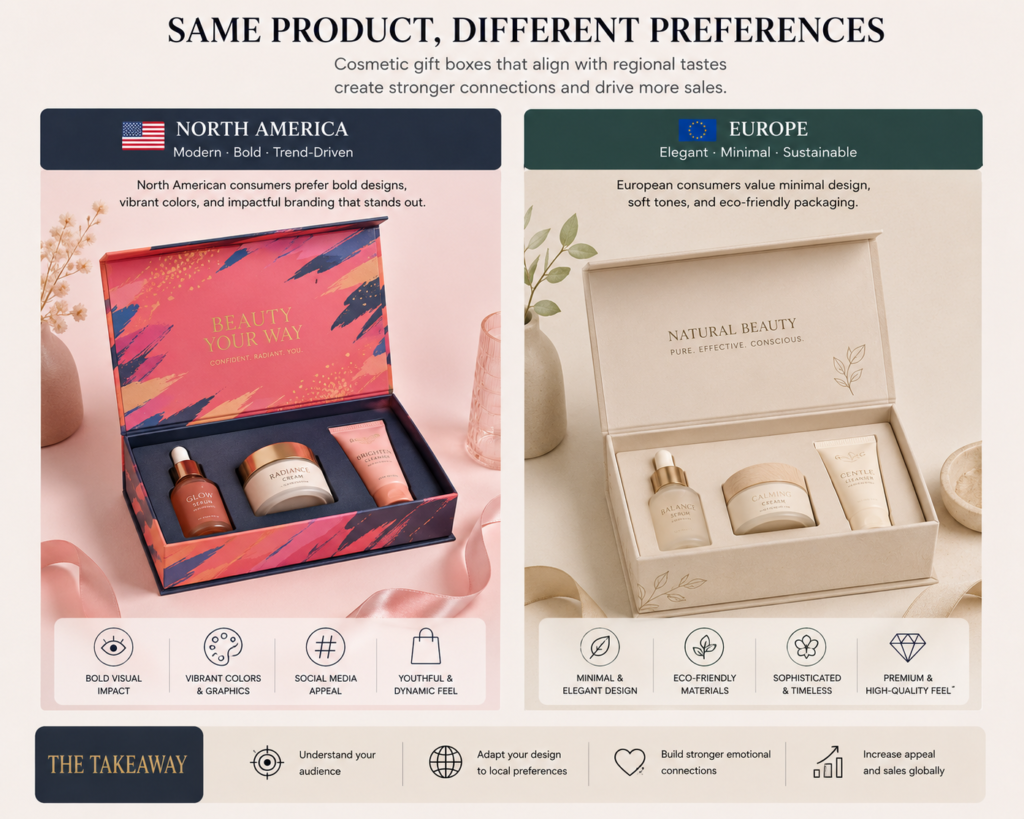
In real packaging projects, different markets show clear preferences in packaging styles.
For example, European brands tend to favor minimalist designs and low-saturation color palettes, while North American brands are more open to bold color schemes and strong visual contrasts.
2. Overcomplicating the Design
A cluttered design overwhelms customers and distracts from the product itself.
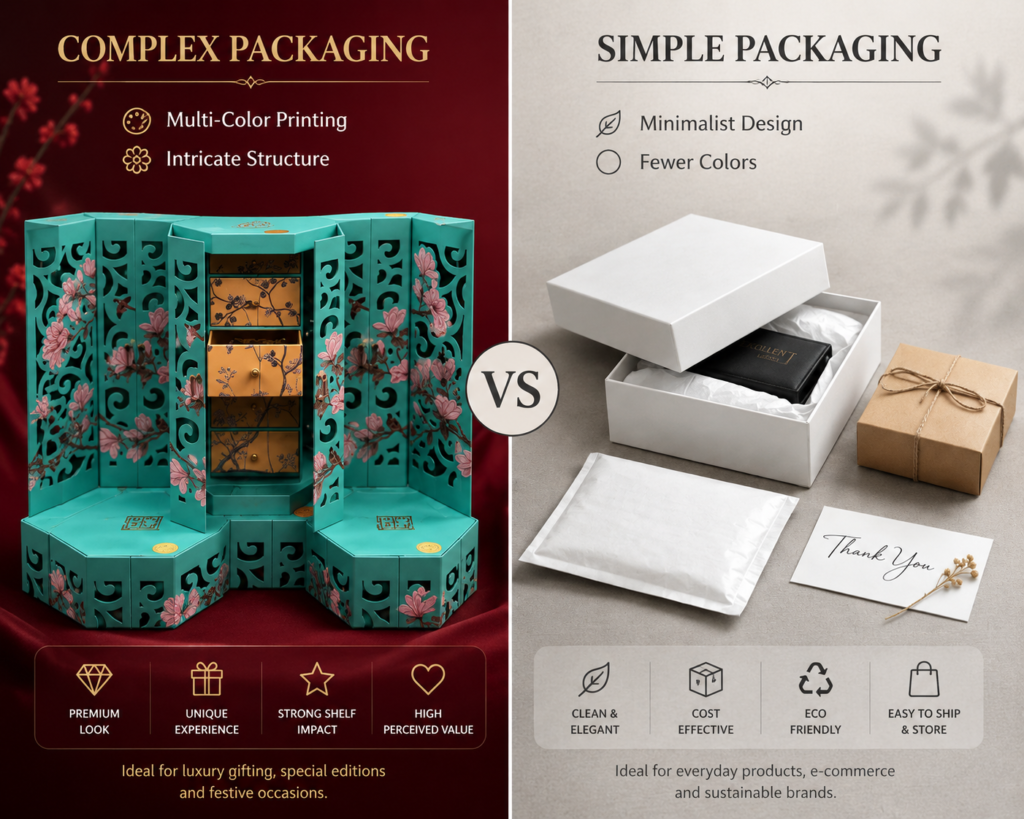
Simple and clean packaging attracts attention and is easier to comprehend. Overloading your design with multiple fonts, colors, or elements can confuse potential buyers.
Tips for Simplifying Cosmetic Packaging
- Limit fonts to two or three styles.
- Highlight key information like product name and benefits.
- Use whitespace strategically to create a sleek appearance.
Minimalist design not only appears more premium but also communicates a stronger sense of brand professionalism.
From a production perspective, overly complicated designs can affect both visual clarity and manufacturing efficiency. For example, combining multiple special finishing techniques—such as foil stamping, embossing, and UV coating—adds complexity to the printing process and increases overall costs.
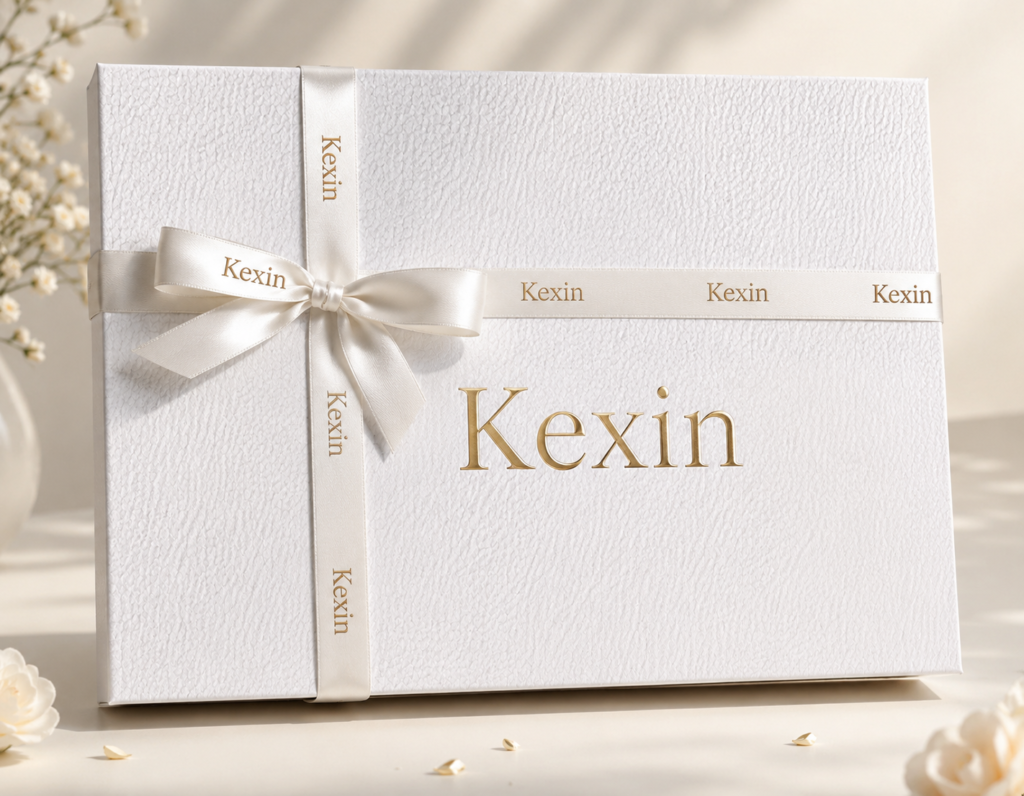
Many luxury brands take a smarter approach. Their packaging designers often select specialty papers with unique textures, avoid excessive decorative graphics, and simply apply a subtle foil stamp or debossed brand logo. This restrained design approach creates a timeless and sophisticated appearance while maintaining production efficiency.
3. Neglecting Eco-Friendly Packaging
Ignoring sustainability can alienate eco-conscious consumers.
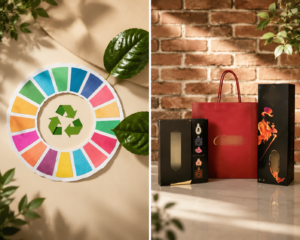
Sustainable packaging appeals to modern buyers who care about the environment. Using biodegradable, reusable, or recyclable materials enhances your brand’s reputation.
In recent years, more and more brands have begun to proactively ask about recyclable or biodegradable materials when making packaging inquiries.
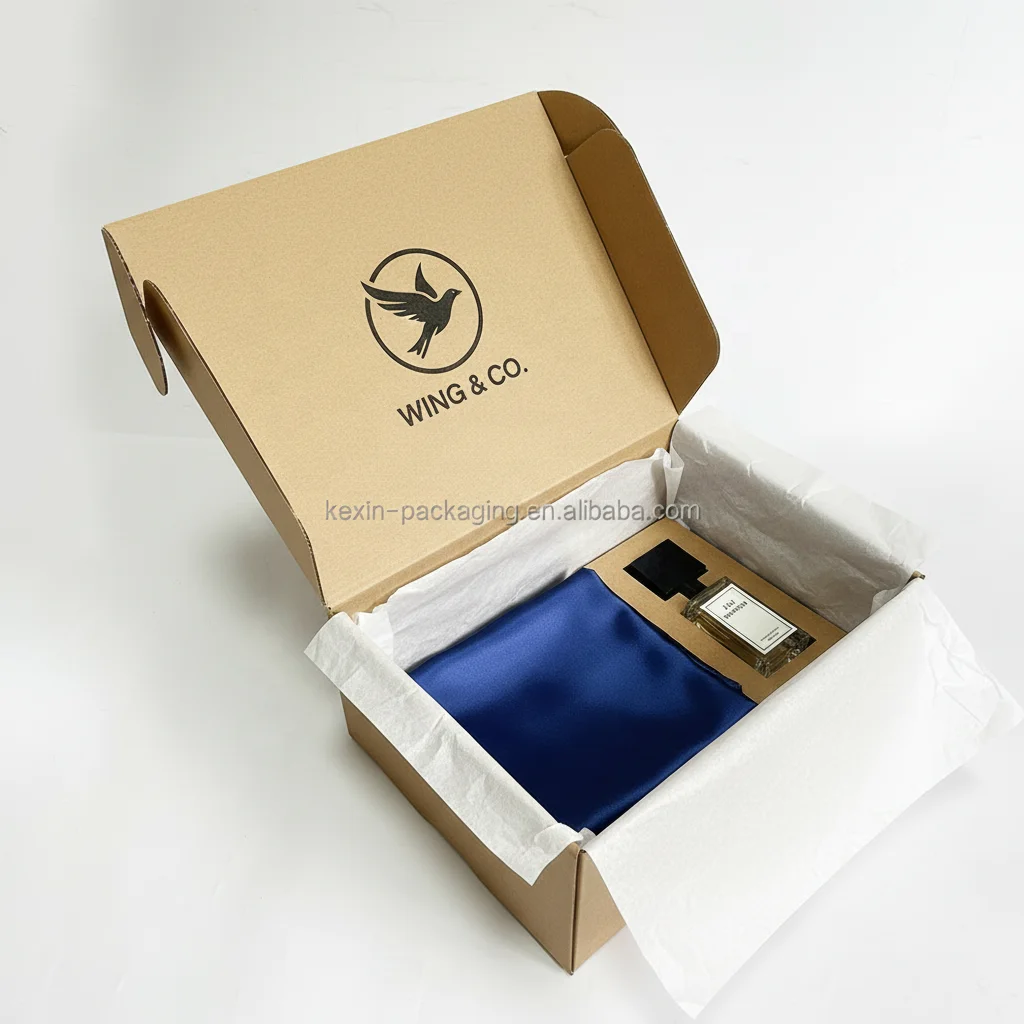
Especially in the European market, sustainable packaging has gradually shifted from being a “value-added advantage” to becoming a basic requirement.
Eco-Friendly Packaging Solutions
- Use recyclable paper boxes for items like soaps and creams.
- Choose glass jars over plastic for premium products.
- Minimize unnecessary packaging layers.
Clearly label your packaging as eco-friendly to appeal to green consumers.
4. Overlooking Product Protection
Damaged products harm your reputation and lead to costly returns.
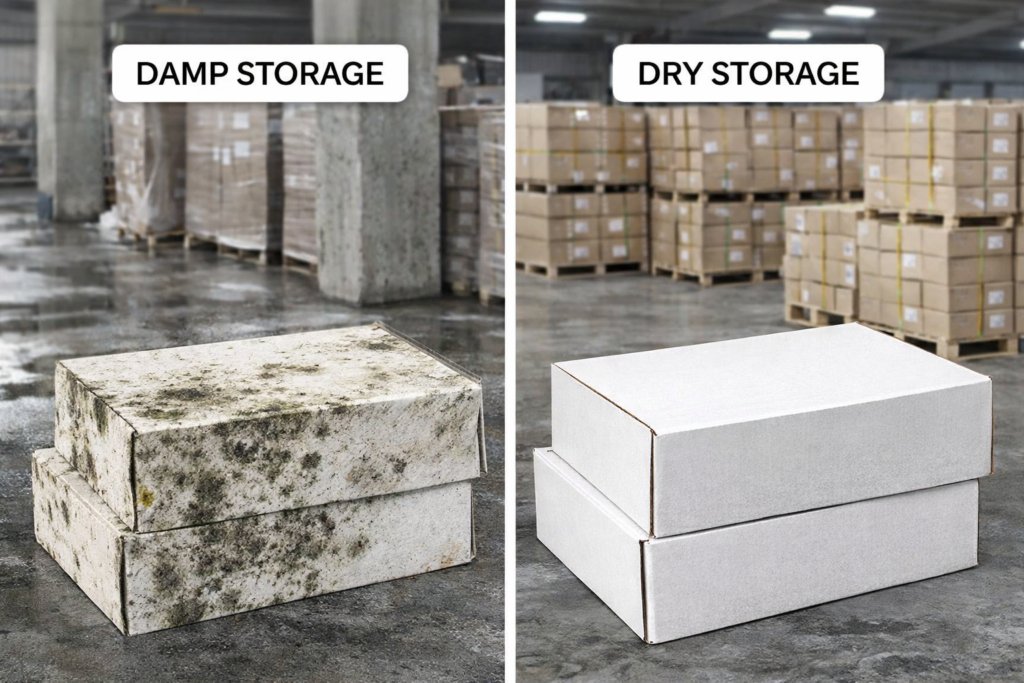
Ensure your packaging protects your product during shipping and storage. Poorly sealed or flimsy materials can result in leaks, contamination, or breakage.There are also cases where boxes develop mold in extremely humid environments, or crack due to excessive dryness.
Ensuring Durability Without Sacrificing Style
- Add secure closures for liquid cosmetics.
- Use shock-resistant inserts for fragile items like glass bottles.
- Conduct drop and compression tests for packaging robustness
- Based on the final usage environment of the packaging, it is recommended to conduct high- and low-temperature simulation tests.
- For special materials, additional treatments such as sterilization, dehumidification, and storage in controlled temperature and humidity conditions should also be applied to ensure packaging stability and product safety.
Prioritize both aesthetics and functionality to enhance customer satisfaction.
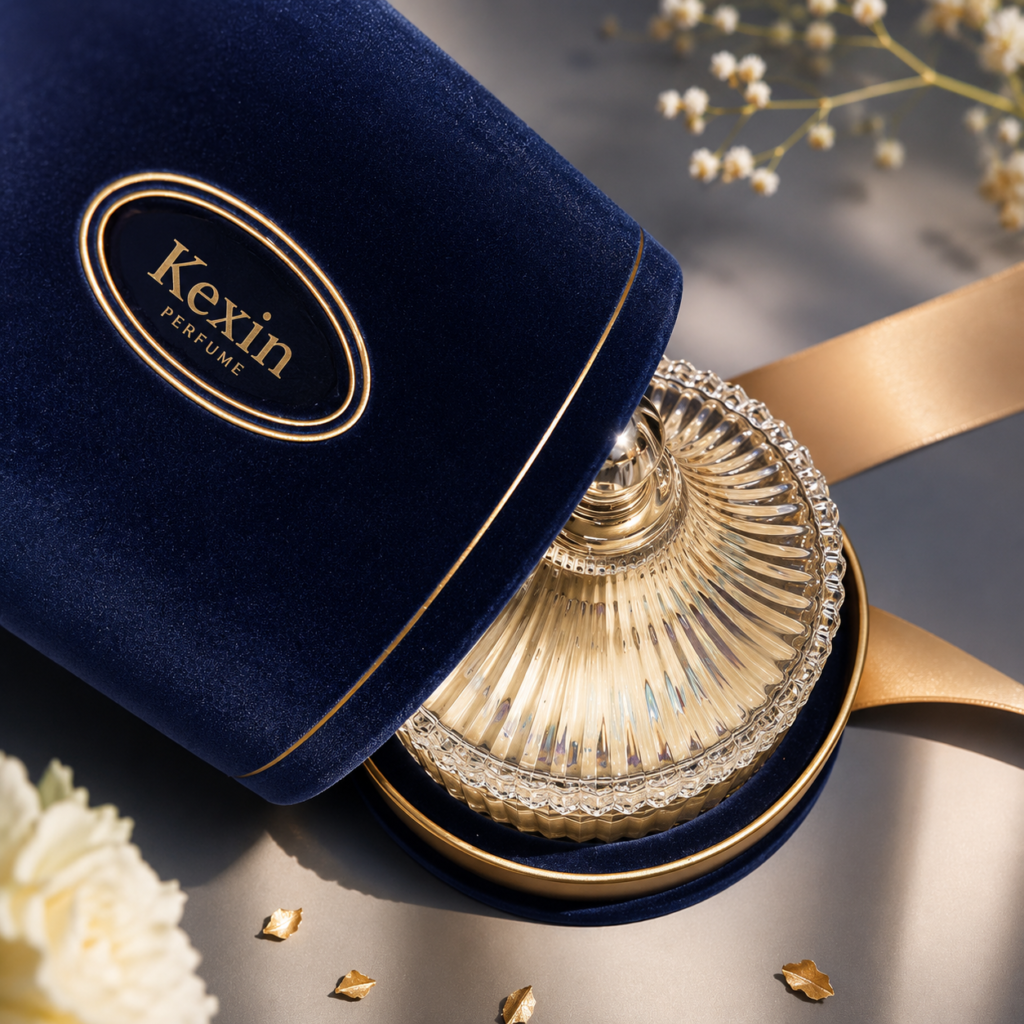
In cross-border shipping projects, product protection becomes especially critical.
For example, glass bottle products can easily be damaged during long-distance transportation if the packaging does not include a properly designed internal insert or support structure.
5. Using Inconsistent Branding
Inconsistent branding confuses customers and weakens your identity.
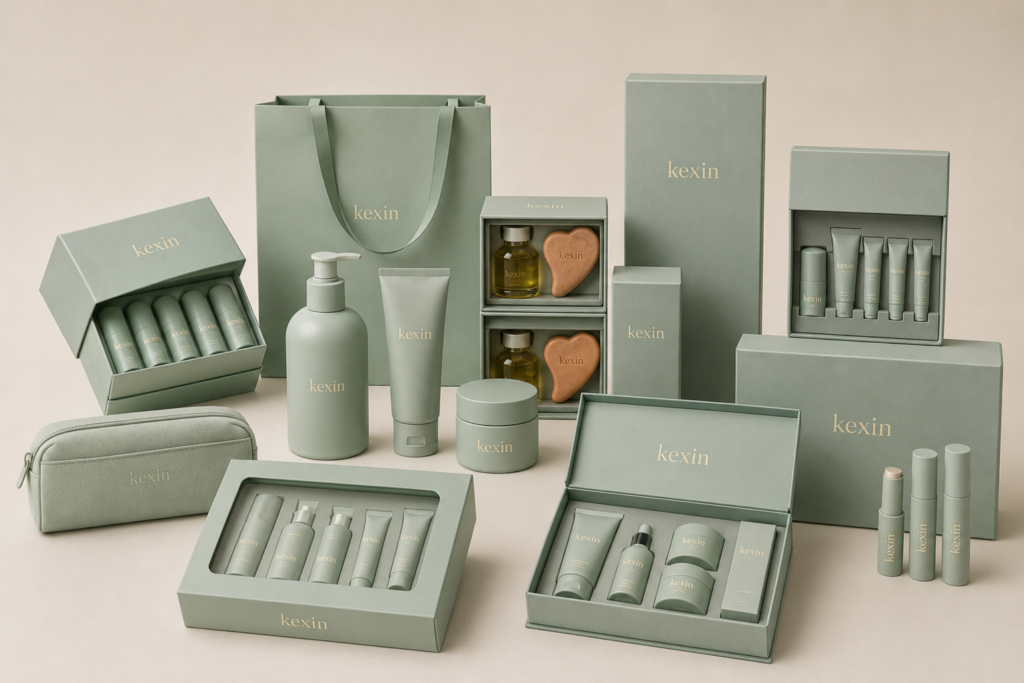
Consistent use of logos, colors, and fonts across all products helps build recognition and trust.
Maintaining Brand Identity
Create brand guidelines to standardize your designs. For instance:
- Use the same typography for all product lines.
- Maintain uniform color schemes across packaging.
Consistency strengthens your brand image and sets you apart in a crowded market.
Many emerging brands often face inconsistent packaging styles during the process of expanding their product lines.
However, as a brand grows, establishing a unified visual system often becomes a key step in strengthening brand identity and supporting long-term brand development.
6. Skipping Regulatory Compliance
Non-compliance with regulations can lead to penalties or recalls.
Cosmetic packaging must meet legal standards in each target market. Missing information like ingredients, safety warnings, or expiration dates can hurt your credibility.
Navigating Compliance
- Research regional laws (e.g., FDA rules in the U.S., EU labeling standards).
- Ensure allergen disclosures are clear and accurate.
- Highlight safety certifications if required.
Working with legal advisors ensures your packaging adheres to all guidelines.
7. Forgetting Practical Usability
Packaging that is hard to use frustrates customers.
User-friendly packaging enhances the customer experience, leading to positive reviews and repeat purchases.
Prioritizing Functionality
- Opt for pump dispensers for creams and serums.
- Ensure resealable packaging for items like makeup wipes.
- Avoid overly tight caps or difficult-to-open seals.
Test your designs with real users to ensure they’re practical and intuitive.
8. Ignoring Shelf Appeal
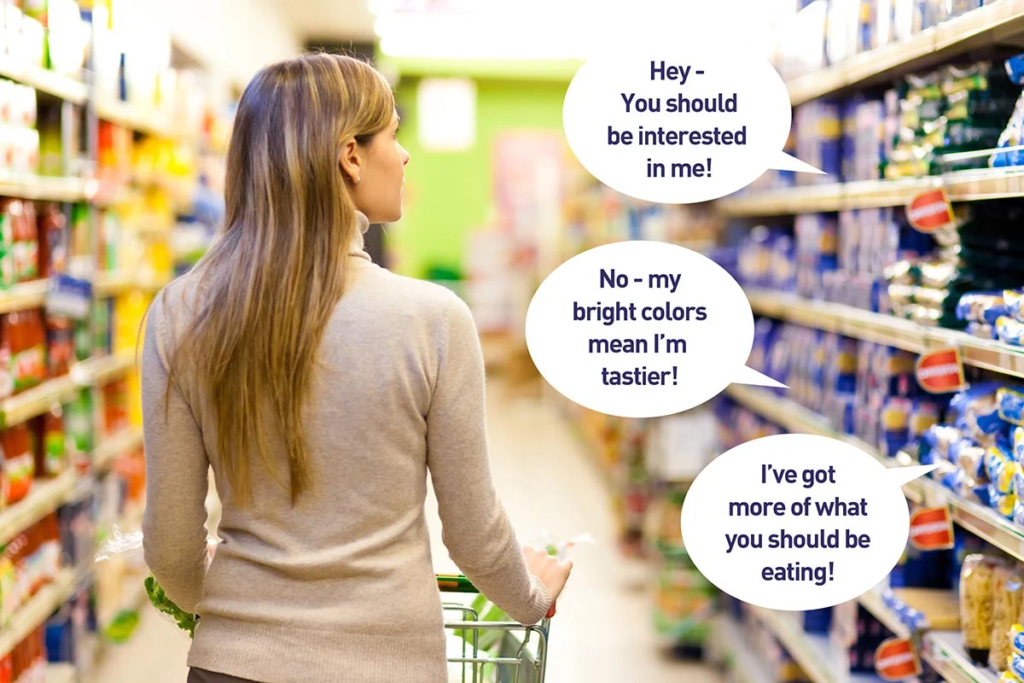
Unattractive or generic designs are easily overlooked on crowded shelves.
Packaging must capture consumer attention at first glance.
The visual appeal can be enhanced through the following approaches:
- Bold Color Schemes:
Experienced marketing and operations professionals understand a simple truth — images and visual impact attract attention far more effectively than plain text. Eye-catching color combinations can capture traffic and customer interest much more efficiently than words alone.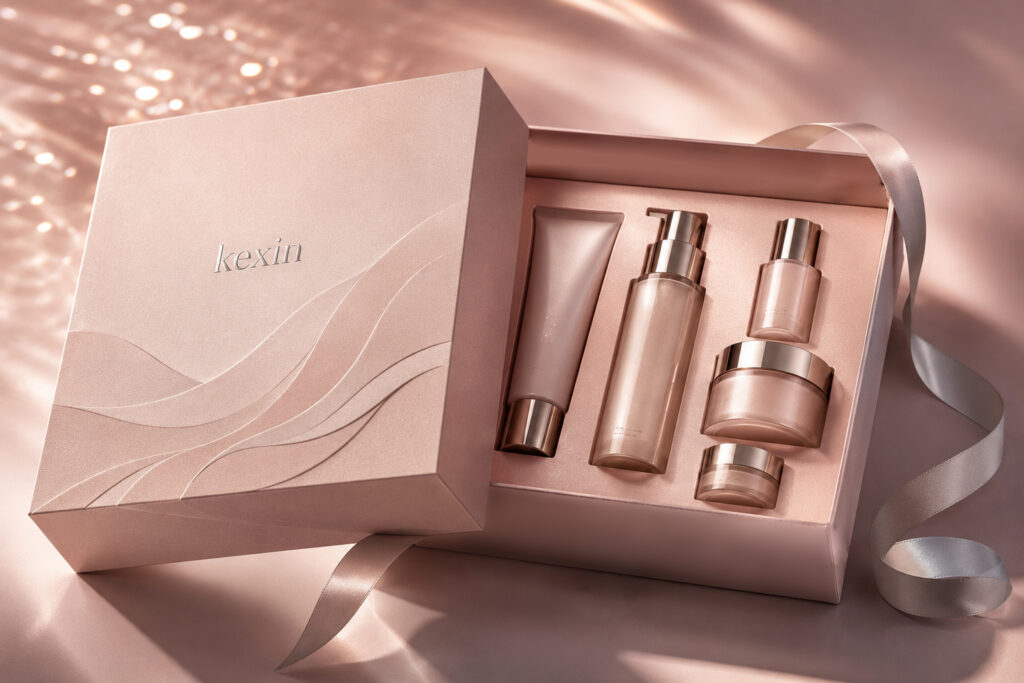
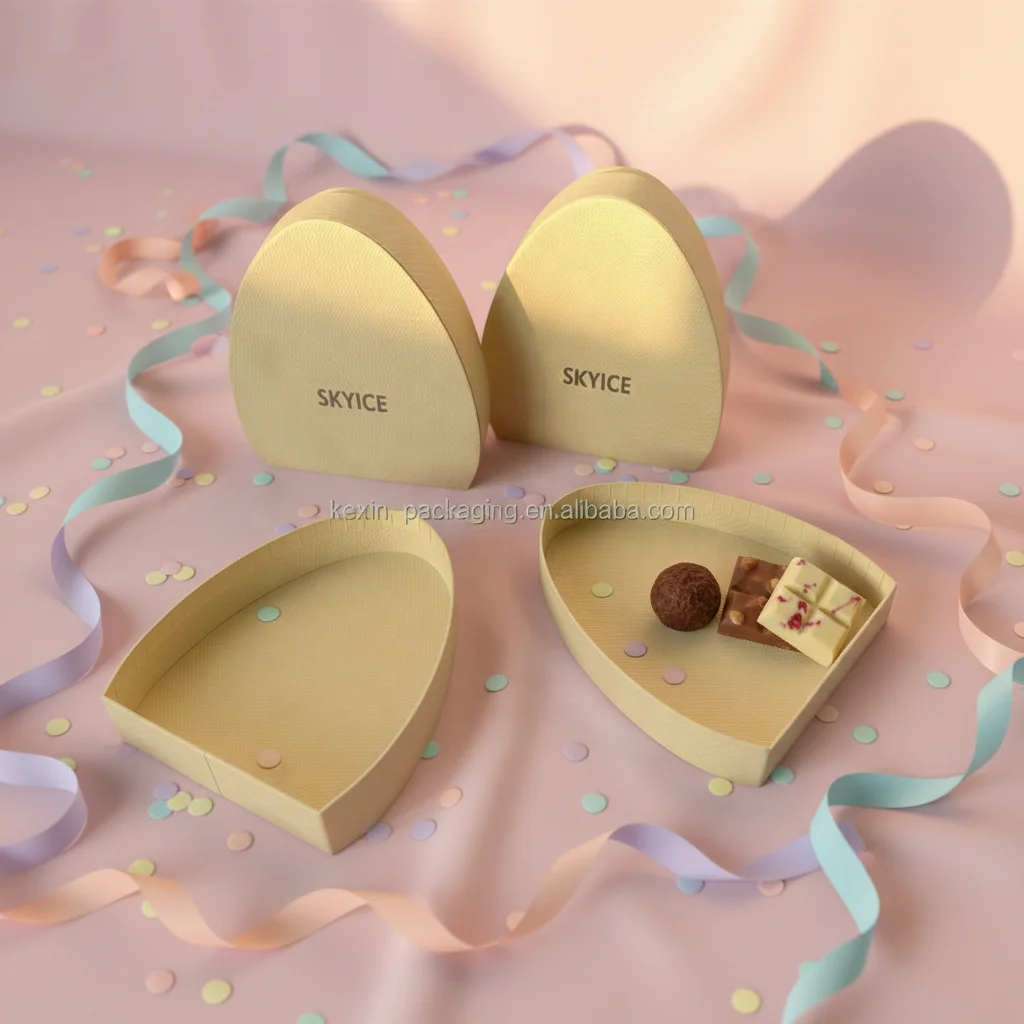
- Unique Structural Design:
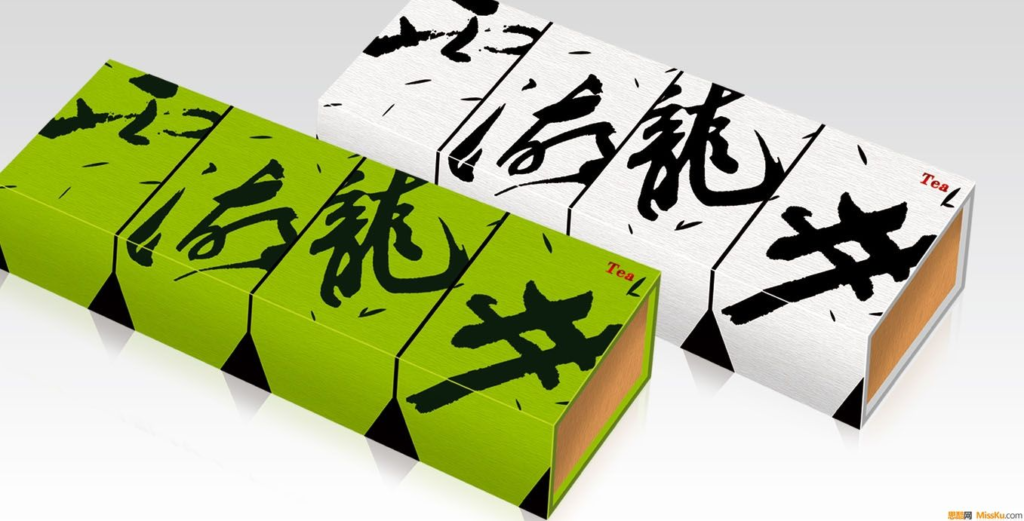
In Chinese culture, there is an ancient story called “Buying the Casket but Returning the Pearl.” It tells of a buyer who was so impressed by the beautifully crafted and uniquely shaped box that he chose to keep the box and return the pearl inside. This story highlights how distinctive packaging design can significantly increase a product’s perceived value.
- Striking Typography:
Just like the finishing touch in a painting, well-designed typography can bring both the product and its packaging to life, making the overall presentation more memorable and visually engaging.
Maximizing Shelf Impact
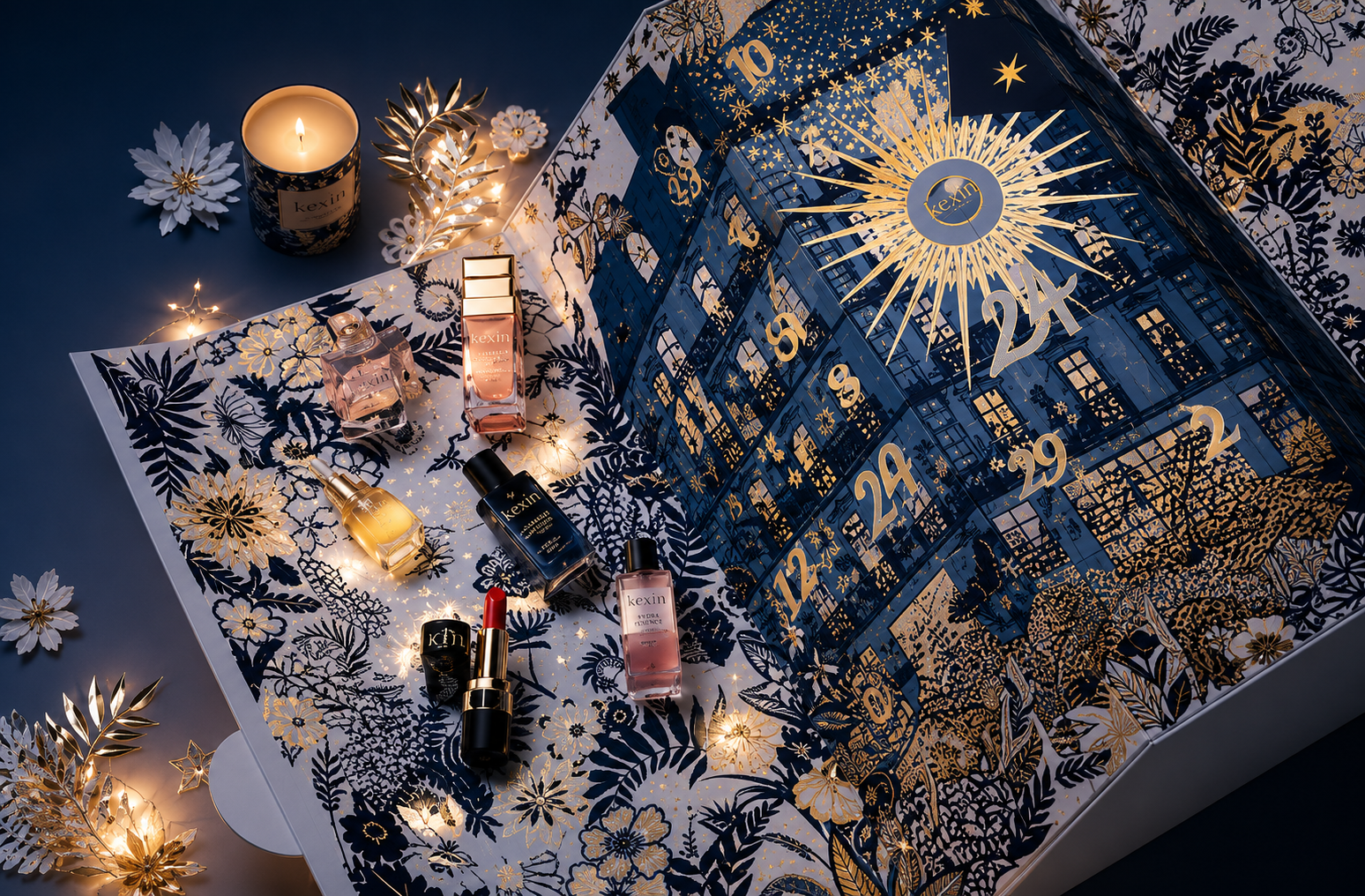
- Use metallic finishes or embossing to add luxury.
- Create unique shapes that draw attention, such as curved bottles.
- Focus on clear messaging to instantly communicate benefits.
Shelving simulations can help you evaluate your design’s visibility.
9. Overlooking Online-Friendly Packaging
Packaging that isn’t optimized for e-commerce may not translate well to online shoppers.
With the rapid growth of e-commerce sales, packaging is no longer designed only to stand out on physical store shelves. It must also deliver strong visual appeal in product photos and videos. As a result, many brands now prioritize e-commerce presentation during the packaging design stage.
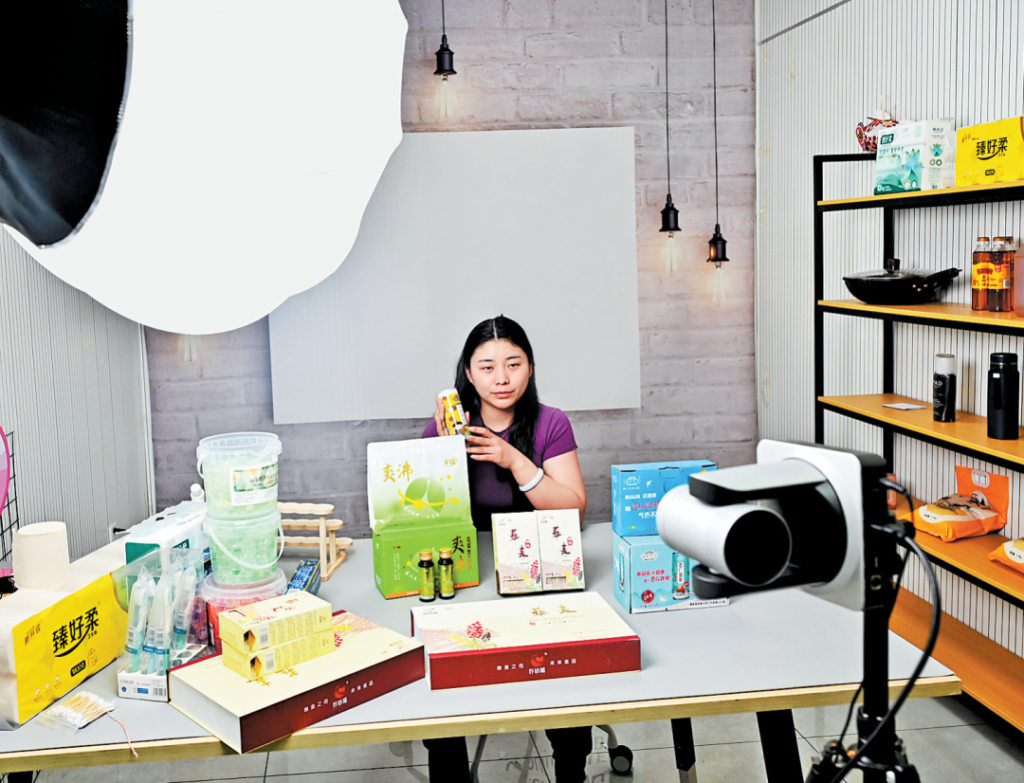
Packaging needs to perform equally well in photographs and in video content.
If the old marketing rule was “images attract more attention than text,” the reality today is evolving even further: videos outperform images, and live streaming often outperforms videos.
In live-stream environments, eye-catching packaging becomes a silent salesperson. Sometimes, a striking package can communicate product value more effectively than even the most enthusiastic host describing the product in great detail.
Designing for Digital Platforms
- Use high-contrast colors and legible fonts for small screens.
- Ensure your packaging looks good in 360-degree product images.
- Include QR codes or scannable elements to engage customers.
Think beyond the shelf—your design must shine on websites and social media platforms.

10. Skipping Customer Testing
Releasing a product without testing its packaging risks failure.
Customer feedback is crucial to identify flaws and refine your design.
Importance of Testing
- Conduct focus groups to gather opinions.
- Distribute prototypes to real customers for usability feedback.
- Use A/B testing to determine which design resonates best.
Investing in testing ensures your packaging succeeds in both form and function.
Years of packaging project experience show that successful packaging does more than protect the product—it becomes an essential part of the brand’s value.
A carefully designed package can significantly enhance market appeal and strengthen a product’s premium positioning, allowing the brand to achieve greater differentiation and higher perceived value in the marketplace.

Conclusion
Avoiding these 10 mistakes will help you design packaging that protects your product, attracts buyers, and elevates your brand. Focus on usability, sustainability, and audience preferences to create designs that make a lasting impression.
We’d love to help bring your vision to life:
Email: sandy.liu@kexinpackaging.com
Phone: 15817411992