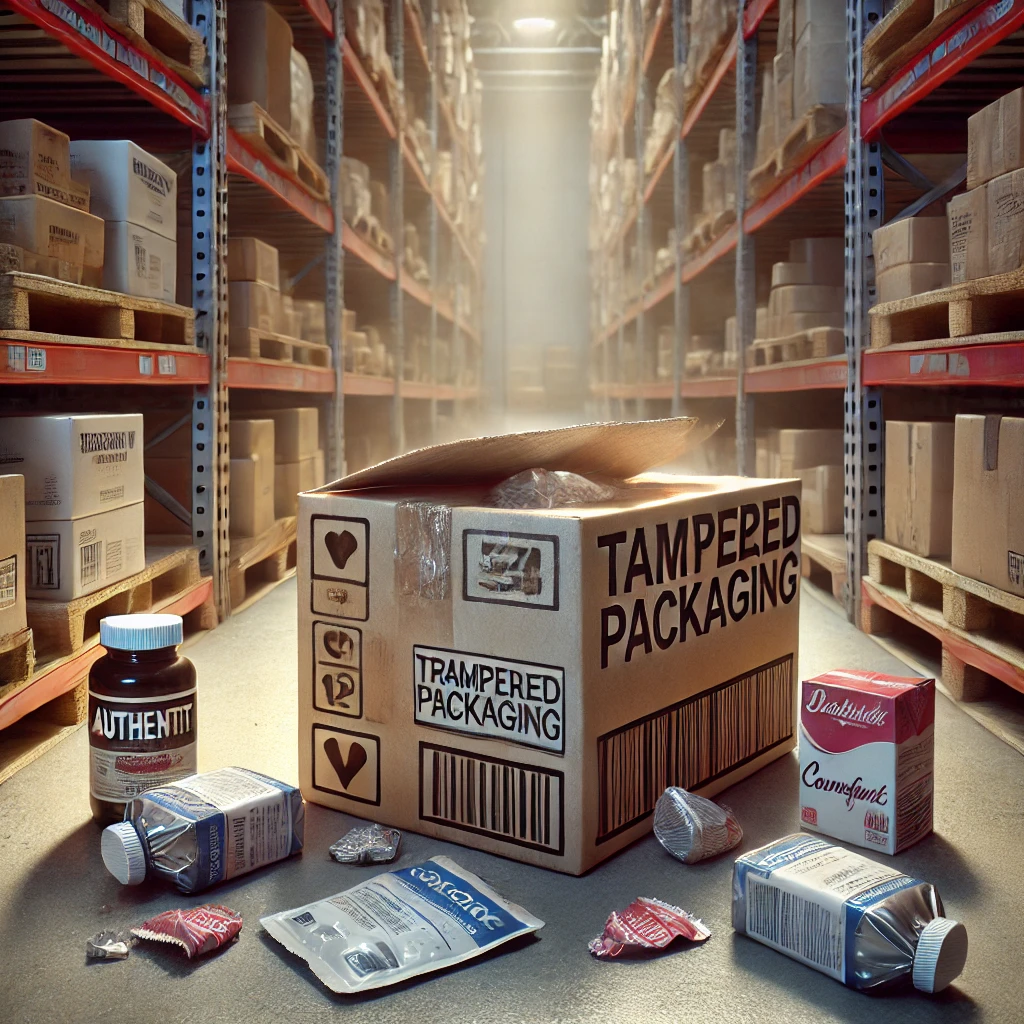

In today’s globalized world, packaging isn’t just about protecting products—it’s about protecting brands. Confidentiality has become a critical standard for global importers aiming to safeguard intellectual property and maintain a competitive edge.
Confidentiality in packaging ensures that sensitive brand information, proprietary designs, and supply chain details are protected. By incorporating secure practices like NDAs, tamper-evident features, and discreet packaging, businesses can minimize risks of replication, fraud, and breaches. It’s a must-have for global importers operating in high-stakes industries.
In real export business, it’s quite common that clients require a Non-Disclosure Agreement (NDA) before sharing files or product details.
With counterfeit and copycat products flooding the market, such concerns are absolutely justified. With the protection of an NDA, suppliers are more disciplined throughout the entire production process, ensuring stricter control over client information and proprietary designs.
While signing an NDA cannot guarantee that your product will never be copied or misused, it significantly strengthens the protection of your intellectual property and design. More importantly, it allows your brand to enter the market first with unique and differentiated products—capturing early advantages.
On the other hand, clients who overlook these details often end up paying a heavy price.
One of our peers in the U.S. electronics sector experienced exactly this. Their product was highly innovative and quickly gained market traction. However, due to a lack of anti-counterfeiting and confidentiality measures, the market was flooded with imitations just one year after peak sales. The result? Brand value diluted, margins collapsed, and profitability disappeared.
For businesses—especially those in high-tech industries—confidentiality agreements and anti-counterfeiting strategies are not optional. They are essential safeguards for long-term growth and market control.
Let’s explore why confidentiality is now the cornerstone of modern packaging strategies.
The Risks of Packaging Breaches for Global Importers
A breach in packaging security can cause irreparable damage to a brand.
Packaging breaches expose products to tampering, counterfeiting, and intellectual property theft. This leads to financial losses, legal issues, and a tarnished brand reputation. For global importers, these risks are magnified by cross-border complexities.

Imagine a luxury watch brand’s packaging being replicated, resulting in counterfeit products flooding the market. Such breaches erode consumer trust and diminish exclusivity. By prioritizing confidentiality, importers can proactively shield themselves from these vulnerabilities, securing both their products and reputation.
Many clients require factories not to display their samples in showrooms or showcase their products on websites.
While this may seem strict at first, it is in fact a serious and necessary approach to protecting product confidentiality and safeguarding brand assets.
How Confidentiality Enhances Brand Protection in Packaging
Brand protection starts with secure packaging practices.
Confidential packaging safeguards proprietary designs, deters counterfeiting, and ensures product integrity. This protection extends beyond the physical product to the brand’s reputation, fostering consumer trust and loyalty.

Consider tech companies shipping sensitive components. Secure packaging prevents interception, tampering, and premature exposure of innovative products. Similarly, incorporating anti-counterfeiting measures—like holograms or QR-code verification—ensures authenticity at every step. Confidential packaging is more than a safeguard; it’s a strategic brand asset.
As a responsible packaging supplier, we are strongly advised to extend confidentiality protection across the entire process—from inquiry and design to production and logistics—by incorporating clear NDA terms at every stage.
Any gap in this chain creates exposure. True confidentiality is only achieved when every step is covered without exception.
Custom Packaging Solutions Designed with NDAs in Mind
Custom packaging is key to maintaining confidentiality, especially when coupled with NDAs.
Non-disclosure agreements (NDAs) bind packaging partners to strict confidentiality, ensuring designs, materials, and supply chain details remain secure. Custom packaging solutions tailored under these agreements further enhance brand security.

For instance, a cosmetics brand might collaborate with a packaging supplier under an NDA to develop unique, unreleased product designs. This agreement ensures exclusivity while preventing leaks. Such practices not only protect intellectual property but also build trust between importers and suppliers, ensuring long-term collaboration.
Protecting Intellectual Property Through Secure Packaging Design
Intellectual property (IP) theft can derail a brand’s success, but secure packaging provides a frontline defense.
Secure packaging includes tamper-evident seals, unique identifiers, and non-replicable designs to protect IP. These features make it harder for counterfeiters to duplicate products or misappropriate designs.
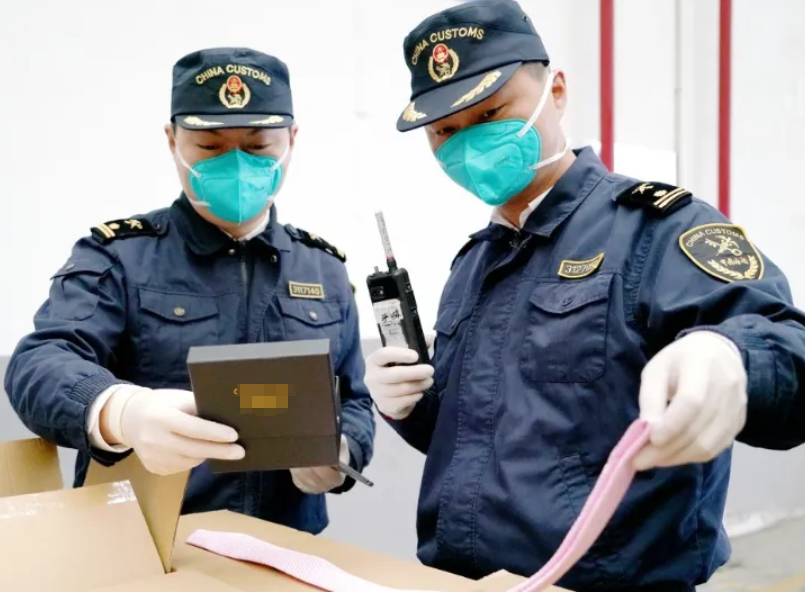
Take pharmaceutical companies as an example. Their packaging often includes serialized codes and holographic elements that confirm authenticity. These safeguards not only protect IP but also comply with regulatory standards, reducing legal risks. Importers relying on secure packaging create an ecosystem of trust and safety.
In one of our previous projects, we produced jewelry boxes for a German client who wanted their logo to be embedded in a discreet way within the final product.
The goal was clear: ensure the mark could identify the source of the product without affecting its appearance or performance. Our solution was to emboss the initial letter of the client’s company name on the bottom of the jewelry box. This mark is perfectly concealed by the inner cushion and remains invisible unless intentionally checked.
This approach achieves a smart balance—protecting the client’s packaging design and intellectual property, while fully preserving the integrity and user experience of the end product.
Conclusion
Confidentiality in packaging isn’t optional—it’s essential for global importers navigating today’s high-risk markets. From NDAs to anti-counterfeiting measures, secure packaging builds trust, safeguards IP, and protects brands.
Call to Action
Need help crafting confidential packaging solutions? Contact us at www.kexinpackaging.com to explore secure options for your brand. Let’s work together to protect your products and reputation. Comment below or reach out today!