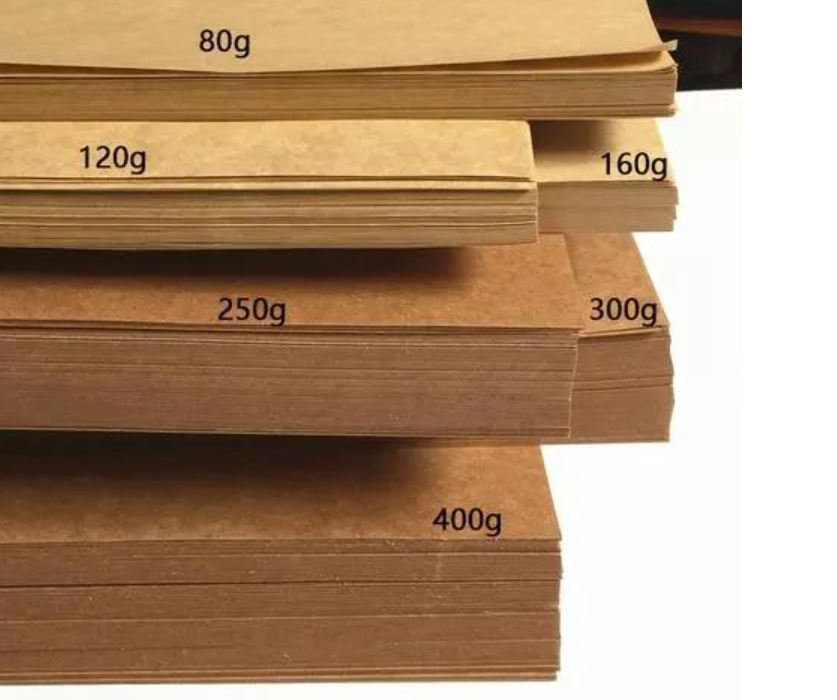
How to Choose the Right Paper Weight for Printing & Packaging
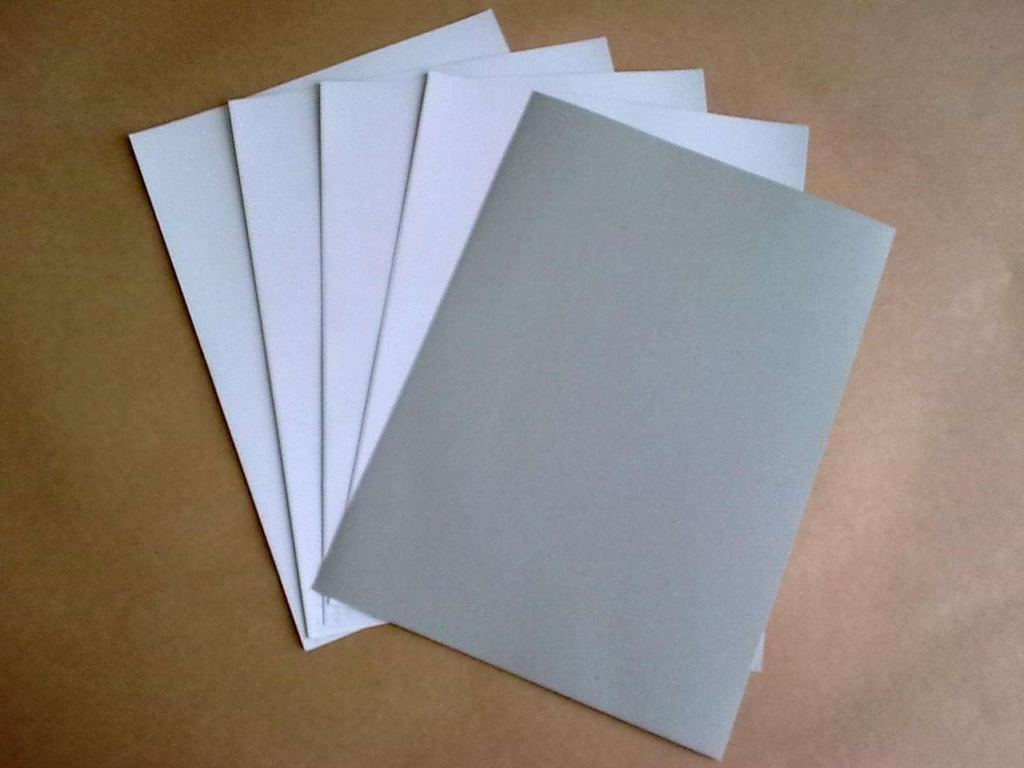
Many people think paper weight is a small technical detail. In real packaging projects, it often decides whether your product feels cheap or professional the moment someone touches it.
When I talk with clients, this is one of the most common questions I hear: “Which paper weight should we choose?” The answer is never just “thicker is better.” It depends on use, cost, design, and production reality.
Choosing the right paper weight affects more than appearance. It influences print clarity, durability, folding performance, and even shipping cost. From brochures to paper boxes and gift boxes, the right choice helps your custom packaging look premium without wasting budget.
Before getting into numbers, let’s start with the basics—what paper weight really means in daily production.
What Paper Weight Really Means in Printing
Paper weight directly affects how your printed materials look, feel, and perform. For items like brochures, catalogs, paper bags, or packaging boxes, it controls stiffness, hand-feel, and how well the paper holds ink.
In simple terms, heavier paper usually feels more solid and durable. Lighter paper is more flexible and cost-efficient. The key is matching the paper weight to how the product will actually be used.
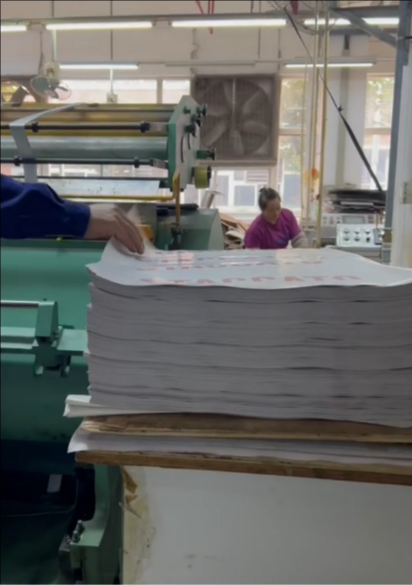
In real projects, I often see two common mistakes.
One is choosing paper that is too thin to save cost, which results in weak structure, show-through, or poor color performance. The other is choosing paper that is too thick, causing cracking on folds, slow production, or unnecessary expense.
For example, a brochure printed on very light paper may look fine on screen, but once printed, images lose impact and text from the back page shows through. On the other hand, packaging wrapping paper that is too thick can create folding problems and visible white edges.
This is why paper weight should always be decided together with design, structure, and production method—not separately.
How Is Measured (GSM vs LB)
If you source printed packaging internationally, paper weight measurement can be confusing. Different regions use different systems.
The most reliable and widely accepted standard today is GSM (grams per square meter). Simply put, the higher the GSM, the thicker and heavier the paper.
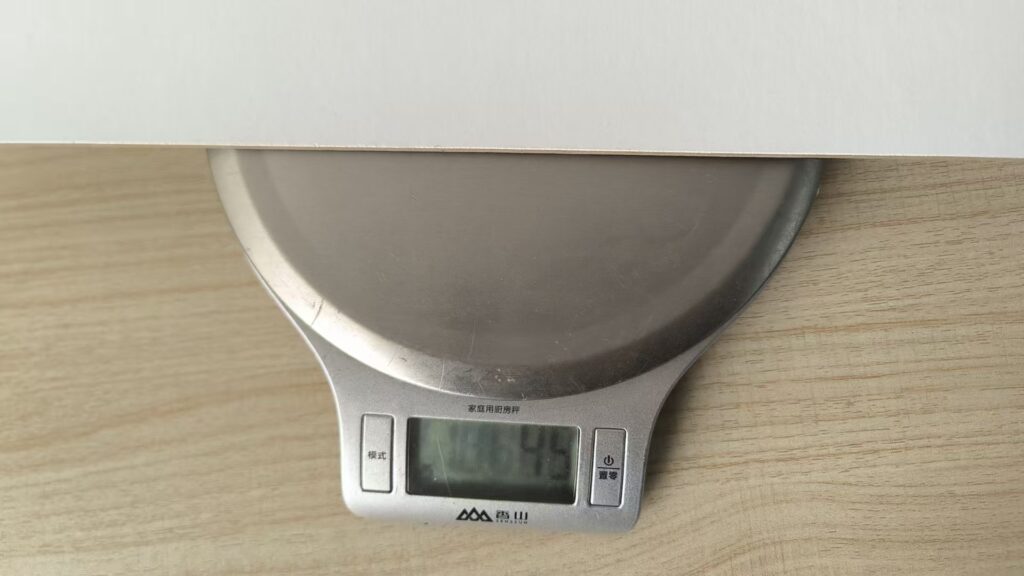
In the U.S., you may also hear paper described in pounds (lb). This refers to the weight of 500 sheets at a specific base size, which changes depending on paper type. Because of this, lb values are hard to compare across materials.
That’s why, for international buyers and procurement teams, GSM is much clearer and safer.
Here’s a quick reference many of our clients find helpful:
| GSM | Common Use |
|---|---|
| 80 GSM | Office paper, leaflets |
| 128–157 GSM | Flyers, brochures |
| 200–250 GSM | Catalogs, folders |
| 250–300 GSM | Paper bags, packaging covers |
| 300+ GSM | Gift boxes, premium paper boxes |
Using GSM helps avoid misunderstandings and speeds up communication between design, purchasing, and production.
Common Paper Weights and Where They Work Best
Different printed products need different levels of strength and thickness. There is no “one paper fits all” solution.
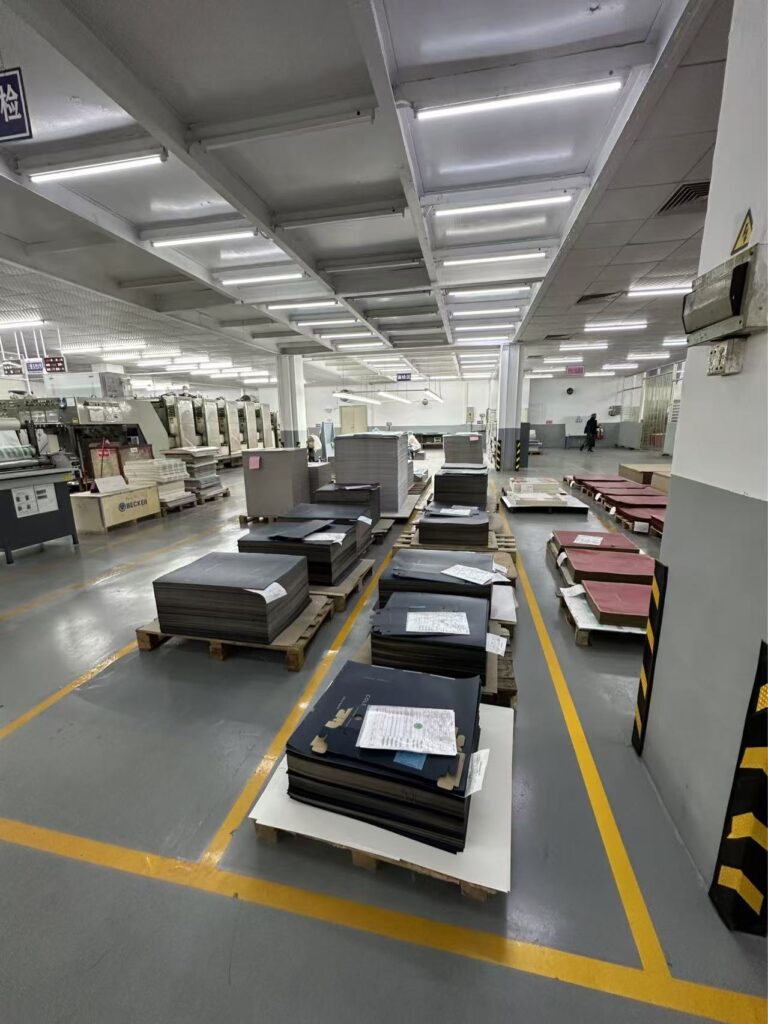
Based on our production experience, this is how paper weight is typically matched to real applications:
- 50–80 GSM
Light and flexible. Suitable for instruction inserts or internal documents. - 100–200 GSM
A good balance for brochures, catalogs, and marketing materials that need good print quality without feeling heavy. - 250–300 GSM
Strong enough for paper bags, business cards, gift box inserts, and packaging sleeves. - 300 GSM and above
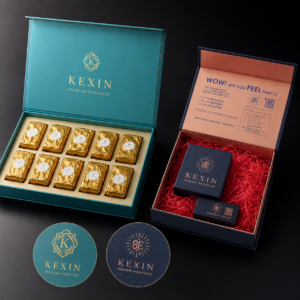
Used for cosmetic packaging, pharmaceutical boxes, and premium product packaging where structure and brand image are critical.
For many clients, especially high-volume buyers, choosing the right paper weight instead of the heaviest one often saves cost while keeping the same visual impact.
Coated vs Uncoated Paper: More Important Than Many Think
Paper weight is only one part of the decision. Paper type has a big influence on color and feel.
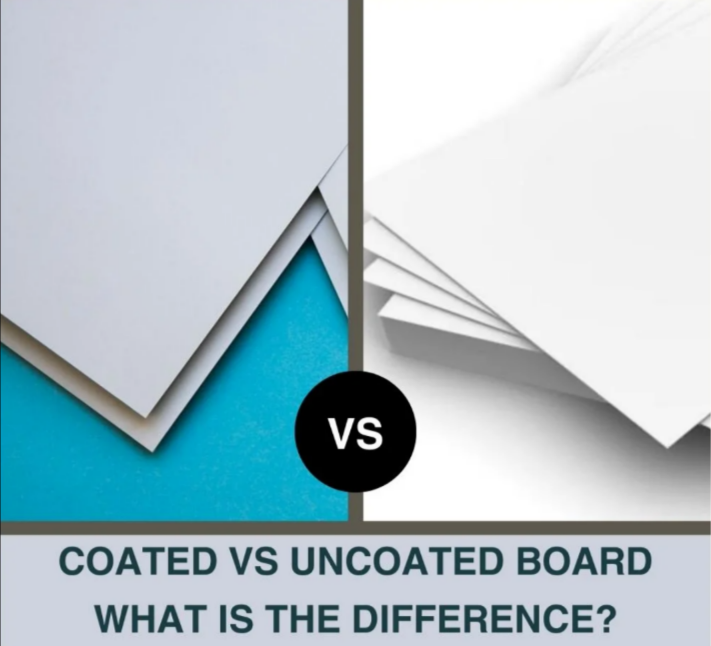
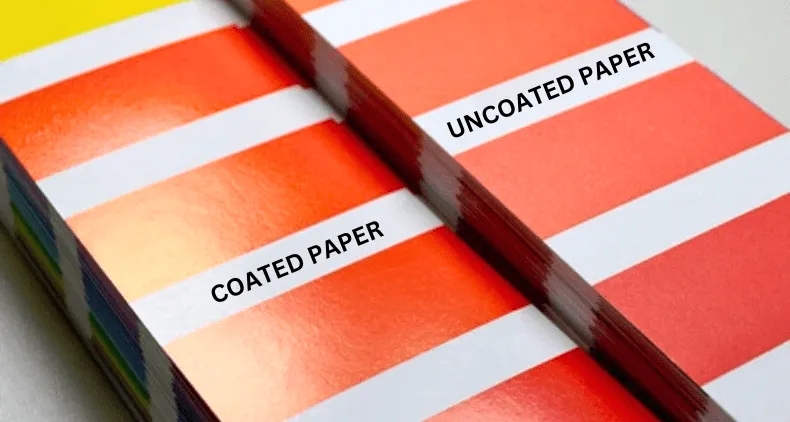
Coated paper has a smooth surface that reflects light well. Colors appear brighter, sharper, and more saturated. It’s commonly used for brochures, retail packaging, cosmetic boxes, and any product display where visual impact matters.
Uncoated paper has a more natural texture. Ink is absorbed more, so colors look softer and calmer. It’s easier to write on and reduces glare, making it suitable for manuals, notebooks, and eco-friendly packaging designs.
One important point many buyers overlook:
The same color code can look very different on coated and uncoated paper. For brand-sensitive projects, we always recommend making a press proof before mass production.
Why Paper Weight Matters for Branding and Marketing
Paper weight quietly communicates brand value. Customers may not say it, but they feel it.

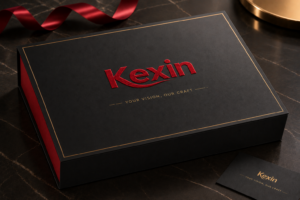
Heavier paper usually creates a stronger first impression. It feels more premium in the hand and makes printed packaging look more reliable.
It also improves print performance. Thicker paper reduces show-through and helps ink sit more evenly, especially for designs with heavy color coverage.
Durability is another factor. Business cards, hangtags, menus, and packaging boxes that are handled frequently need paper that can resist bending and wear. Otherwise, the product quickly looks tired—even if the design is good.
For brand-conscious importers, these details directly affect how the product is remembered after purchase.
How We Help Clients Choose the Right Paper Weight
When working with clients, I never start by recommending a number. I start by asking questions.
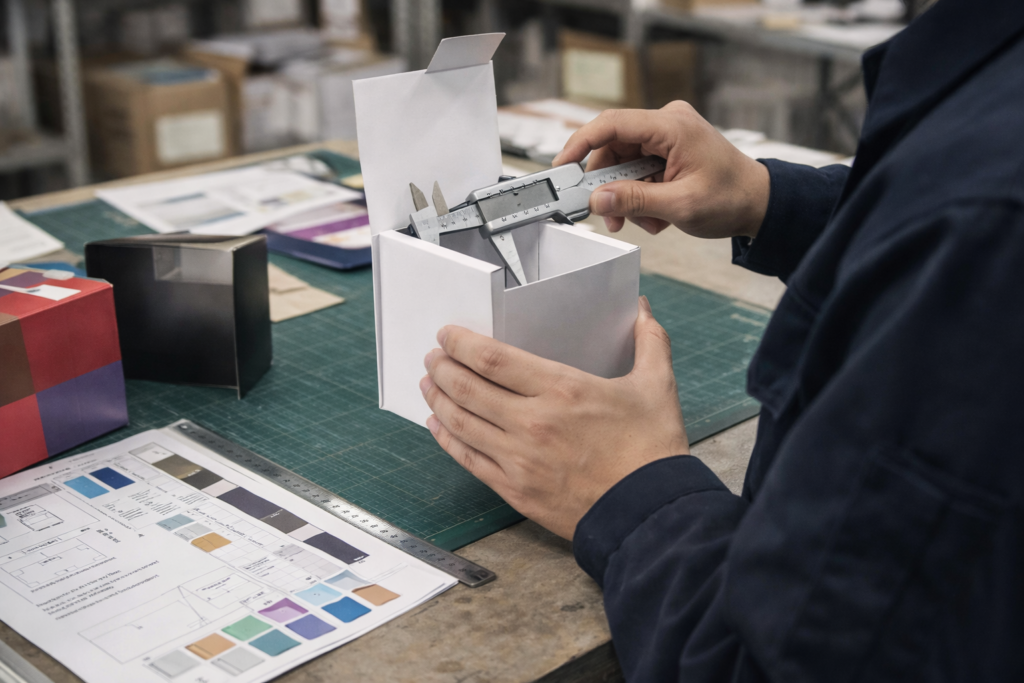
We usually look at:
- How the product will be used and handled
- How long it needs to last
- Ink coverage and design complexity
- Order volume and budget limits
- Production and finishing requirements
- Environmental goals
For example, very thick paper is rarely used for gift box wrapping, because it can crack at folds. In this case, choosing the correct paper structure matters more than thickness.
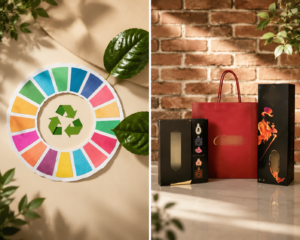
We also provide recycled and certified eco-friendly paper options, helping brands balance sustainability with performance and appearance.
Choosing paper weight is not about guessing or copying others. It’s about understanding your product, your brand, and real production limits. With the right guidance, you can achieve premium results without unnecessary cost.
And more…
We would love to assist you. If there’s more we can do for you, please feel free to contact us:
Email: sandy.liu@kexinpackaging.com
Phone: 15817411992
Brand Name: Kexin
Slogan: Your Vision, Our Craft
Website: www.kexinpackaging.com
At Kexin Printing & Packaging, our mission is to bring brands to life through premium, customized packaging solutions. From paper boxes and gift boxes to paper bags, brochures, stickers, and eco-friendly printed packaging, we focus on quality, reliability, and long-term partnership.