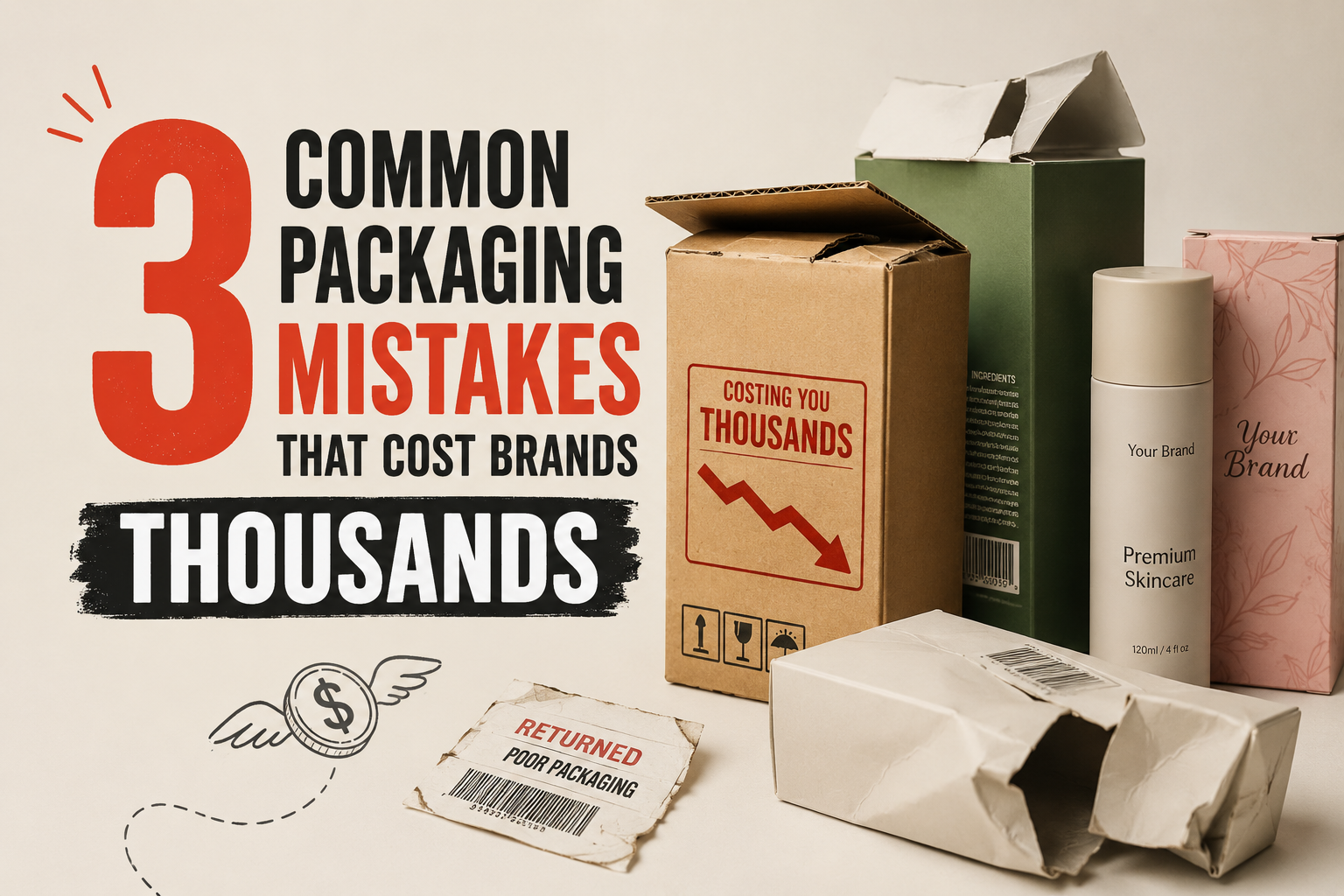
Packaging plays a crucial role in delivering products to consumers, preserving quality, and reflecting your brand identity. However, many businesses make packaging mistakes that could negatively impact their product, cost-effectiveness, and brand reputation. Here’s a look at the top packaging mistakes and how you can avoid them.
Many companies struggle with packaging issues like overcomplicated designs, poor material choice, and neglecting the customer experience. By addressing these common mistakes, you can improve your packaging strategy and ensure it serves both your product and your brand effectively.
Let’s explore these packaging mistakes and offer solutions.

1. Overcomplicating Packaging Designs
One of the most common packaging mistakes is overcomplicating the design. While creative packaging can make your product stand out, overly intricate or complex designs can lead to confusion, higher costs, and waste.
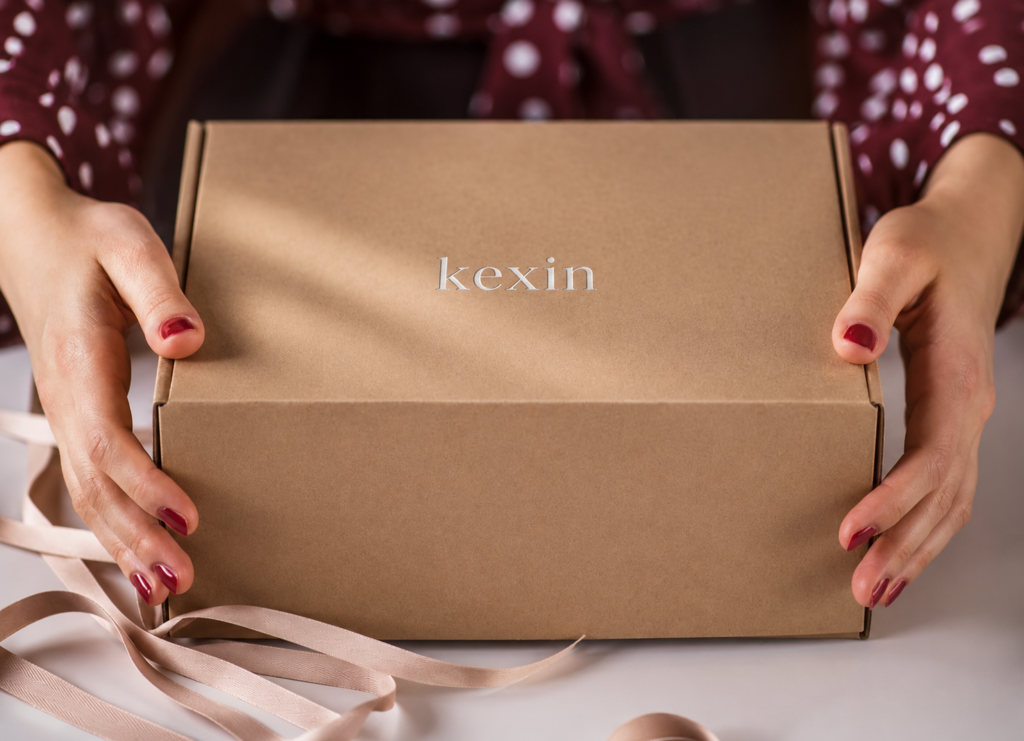
A simple, clear design is often the best approach for delivering your message effectively and ensuring a smooth customer experience.
Why Simplicity in Design Matters
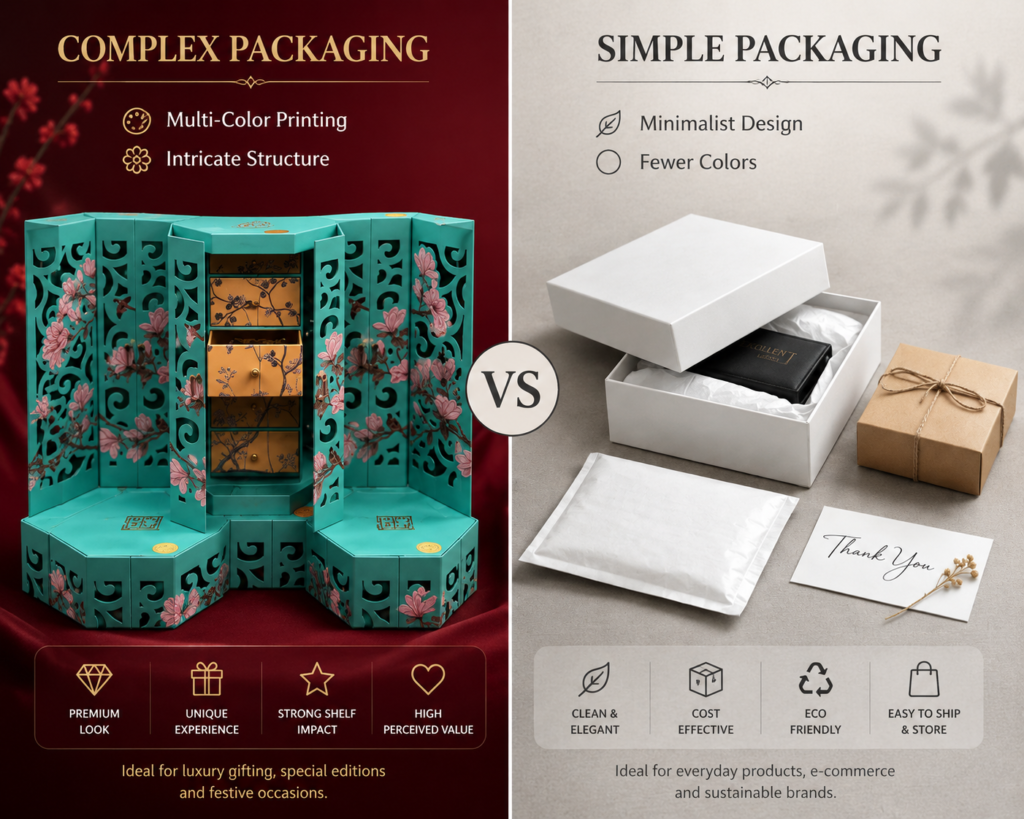
Overcomplicated designs might look visually appealing but can overwhelm the consumer and detract from the product’s core message. Too many elements, colors, or unnecessary details can confuse the buyer and make your product harder to identify.
Clarity Over Complexity
Consumers appreciate packaging that is easy to understand. A clean, minimalist design highlights your product without distracting from its purpose. Opt for clear typography, well-chosen color schemes, and simple graphics that communicate your brand values effectively.
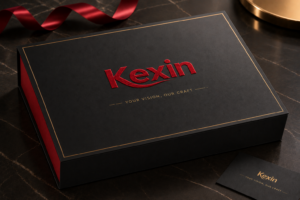
In addition, when it comes to color selection, it is not always necessary to use complex spot colors. In some cases, less color-sensitive areas or colors with very small ink coverage can be replaced with standard four-color printing or foil stamping. This approach will not reduce the printing quality, and in some cases it can even make the packaging appear more premium.
Cost and Efficiency Considerations
From a manufacturing perspective, complex packaging designs often require additional printing processes, special finishes, or complicated structures. These factors increase production costs and extend lead times.

Simplifying packaging design can reduce printing complexity, improve production efficiency, and make packaging easier to store and transport.
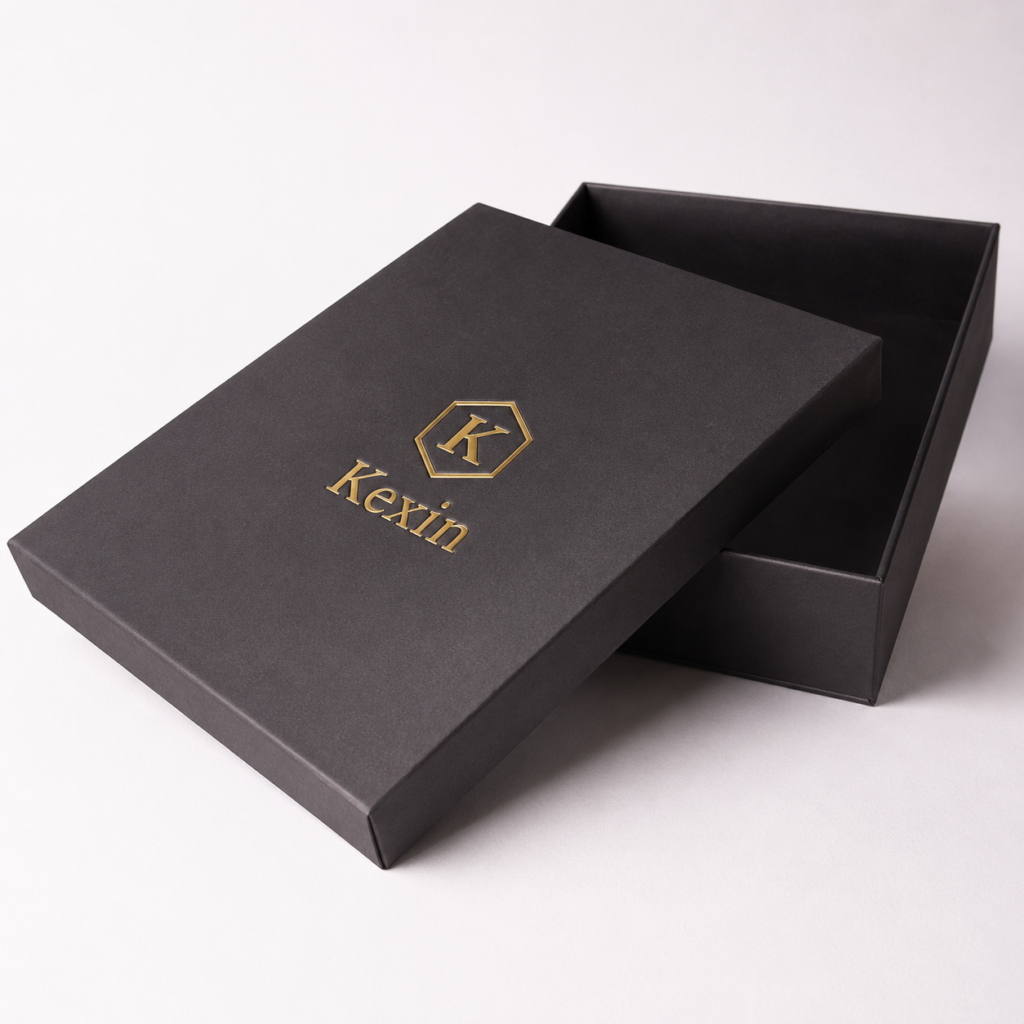
In addition, simplifying packaging does not mean compromising product quality. A skilled packaging engineer can streamline the design while still maintaining the packaging’s quality and protective performance.
Environmental Impact
Overcomplicated packaging may also use unnecessary materials, increasing your environmental footprint. Simpler designs typically require less material, aligning with eco-friendly packaging trends.
2. Using the Wrong Packaging Materials
Choosing the wrong packaging material is another common mistake that can lead to product damage, higher logistics costs, and a poor customer experience.
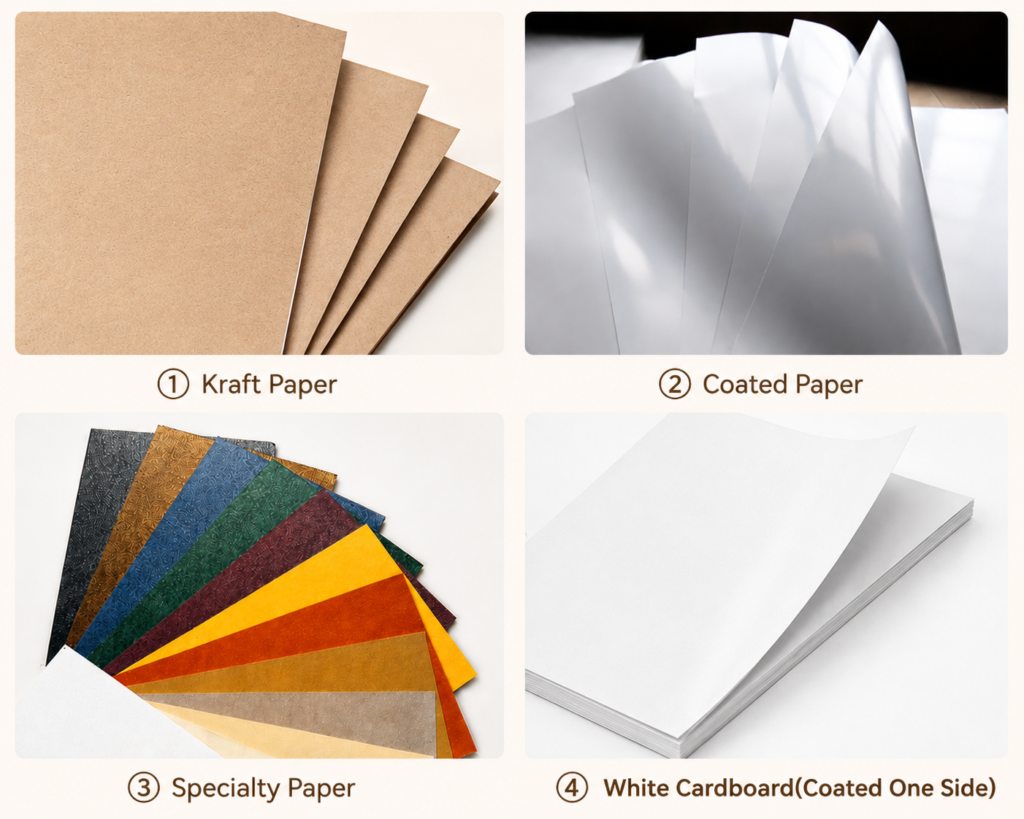
Some clients try to reduce costs by insisting on using the cheapest materials and the most basic workmanship for their packaging. However, this often leads to boxes being damaged during transportation or a poor experience for the end consumer. These issues can negatively affect both after-sales service and the overall product image, ultimately creating additional hidden costs. In the end, the attempt to save money can become counterproductive.
How to Choose the Right Packaging Material
Selecting the appropriate material ensures that your product remains protected during shipping while aligning with your sustainability and branding goals.

Product Protection Comes First
The primary purpose of packaging is to protect the product during transportation and handling.
For example:
- Fragile products may require corrugated boxes, foam inserts, or protective inner trays
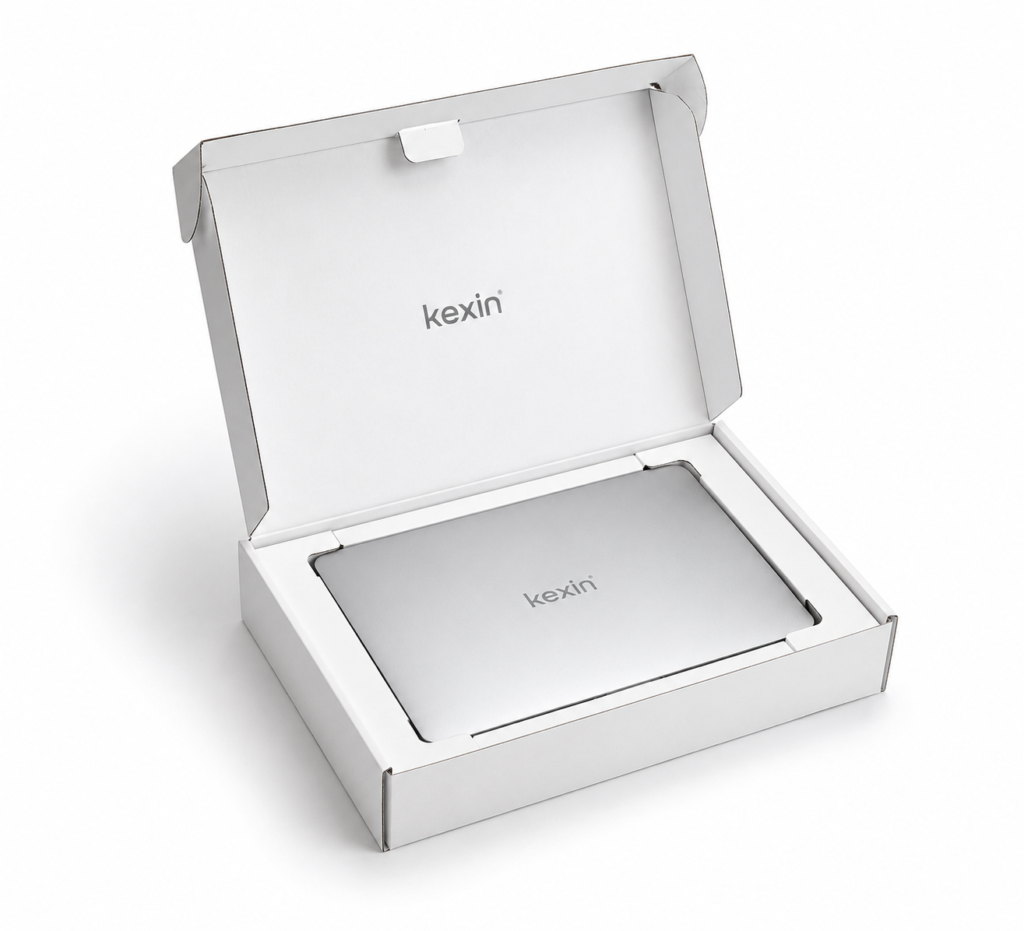
- Durable products may only need lightweight packaging materials such as paperboard

In many packaging projects, proper structural design—such as inserts or cushioning—can be just as important as the material itself.
Sustainability and Consumer Preferences
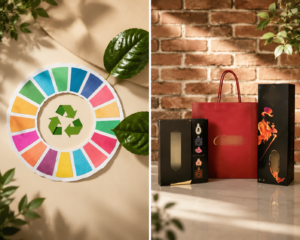
Sustainability is becoming a major consideration in packaging decisions. Many brands today are choosing recyclable or renewable materials such as recycled paper, FSC-certified paperboard, or biodegradable alternatives.
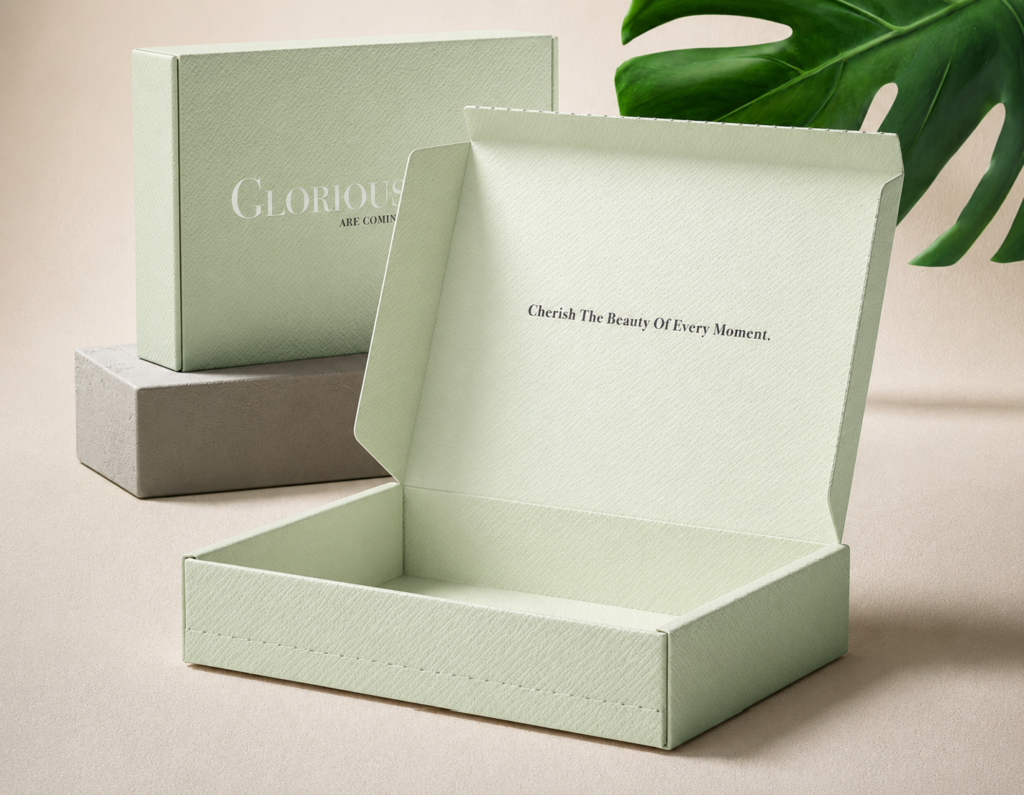
Many of our clients from Europe and North America are increasingly focusing on and favoring environmentally friendly and sustainable materials. For example, our Swiss client Logitech has removed plastic film from all of their product packaging boxes. In addition, many other clients specifically request the use of FSC-certified materials.
Brands that prioritize eco-friendly packaging not only reduce environmental impact but also strengthen their brand image among environmentally conscious consumers.
Balancing Cost and Quality
Cutting costs by choosing the cheapest materials can often lead to larger losses if products are damaged during transportation.
The best approach is to evaluate materials based on both protection performance and cost efficiency, ensuring the packaging remains functional while staying within budget.
Packaging as a Branding Tool
Packaging is not only a protective layer—it is also a powerful branding tool.
Materials like paperboard and cardboard offer excellent printing quality, allowing brands to showcase logos, graphics, and brand identity effectively.
3. Neglecting the Consumer Experience
Many companies focus only on product protection and overlook the importance of the consumer experience.
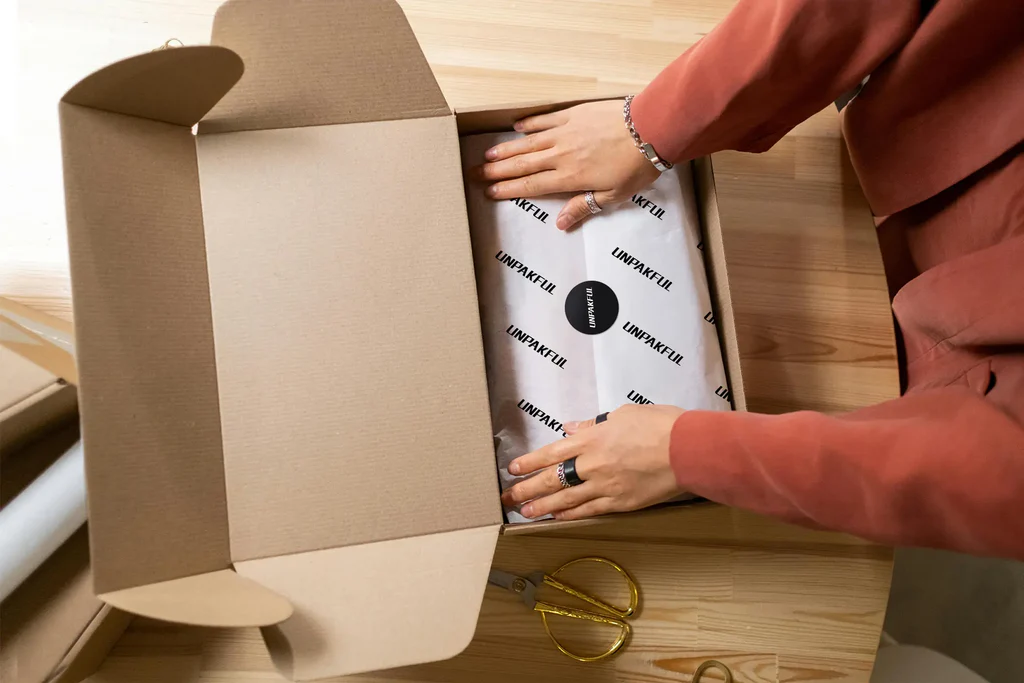
However, packaging also plays a key role in shaping how customers perceive your brand. A well-designed packaging experience can create excitement, strengthen emotional connections, and encourage repeat purchases.
Enhancing the Consumer Experience Through Packaging
The packaging experience begins the moment a consumer sees the package and continues through the unboxing process.
Every step influences how customers feel about your brand.
Easy Opening and Practical Design
Customers appreciate packaging that is easy to open and convenient to use. Overly complicated closures, excessive tape, or difficult-to-open boxes can quickly lead to frustration.
Simple features such as tear strips, pull tabs, or magnetic closures can significantly improve usability.
The Power of the Unboxing Experience
In the era of e-commerce, the unboxing experience has become an important marketing opportunity.
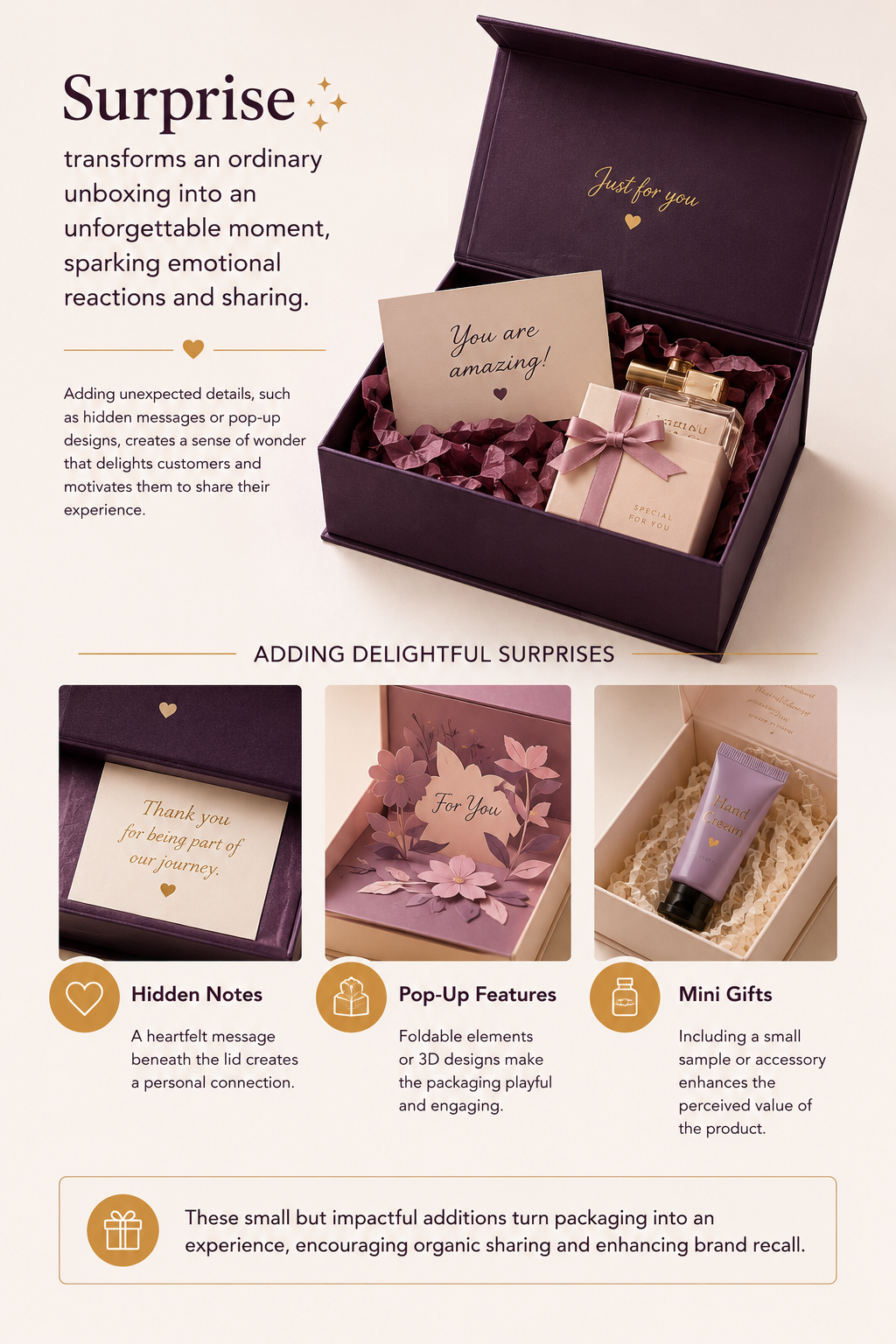
Many brands enhance the experience by including:
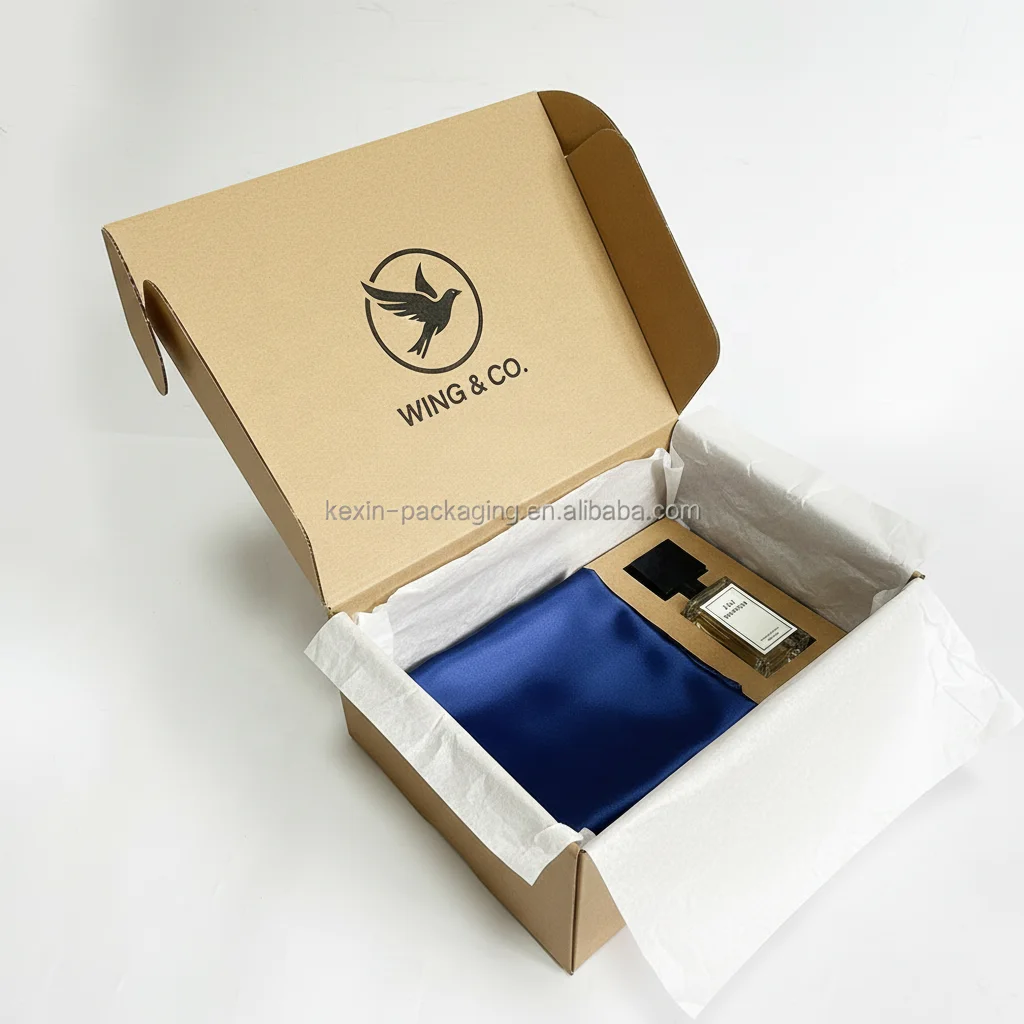
- branded tissue paper
- thank-you cards
- personalized messages
- small promotional items
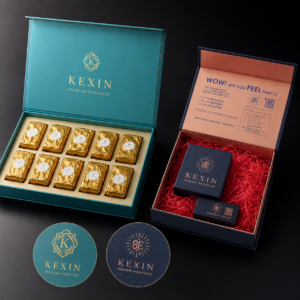
These details can create a memorable experience for consumers. When customers enjoy a truly pleasant unboxing experience, they are often motivated to share your product on social media voluntarily. Authentic user experiences and word-of-mouth recommendations can sometimes be even more effective than expensive advertising campaigns.
These details create a memorable moment for customers and encourage social media sharing.
Clear Instructions and Information
Packaging should clearly communicate important information, such as product instructions, care guidelines, or recycling directions.
Clear communication improves the customer experience and ensures that the packaging remains practical and informative.
Brand Storytelling Through Packaging
Packaging can also help tell your brand story. By incorporating brand values, mission statements, or product narratives into the design, companies can create stronger emotional connections with consumers.
Conclusion
Avoiding common packaging mistakes is essential for protecting products, controlling costs, and strengthening brand identity.
By simplifying packaging designs, choosing the right materials, and focusing on the consumer experience, companies can turn packaging into a powerful business asset rather than a costly problem.
Well-designed packaging not only protects products—it also enhances brand value, improves customer satisfaction, and supports long-term business success.